Online Reporter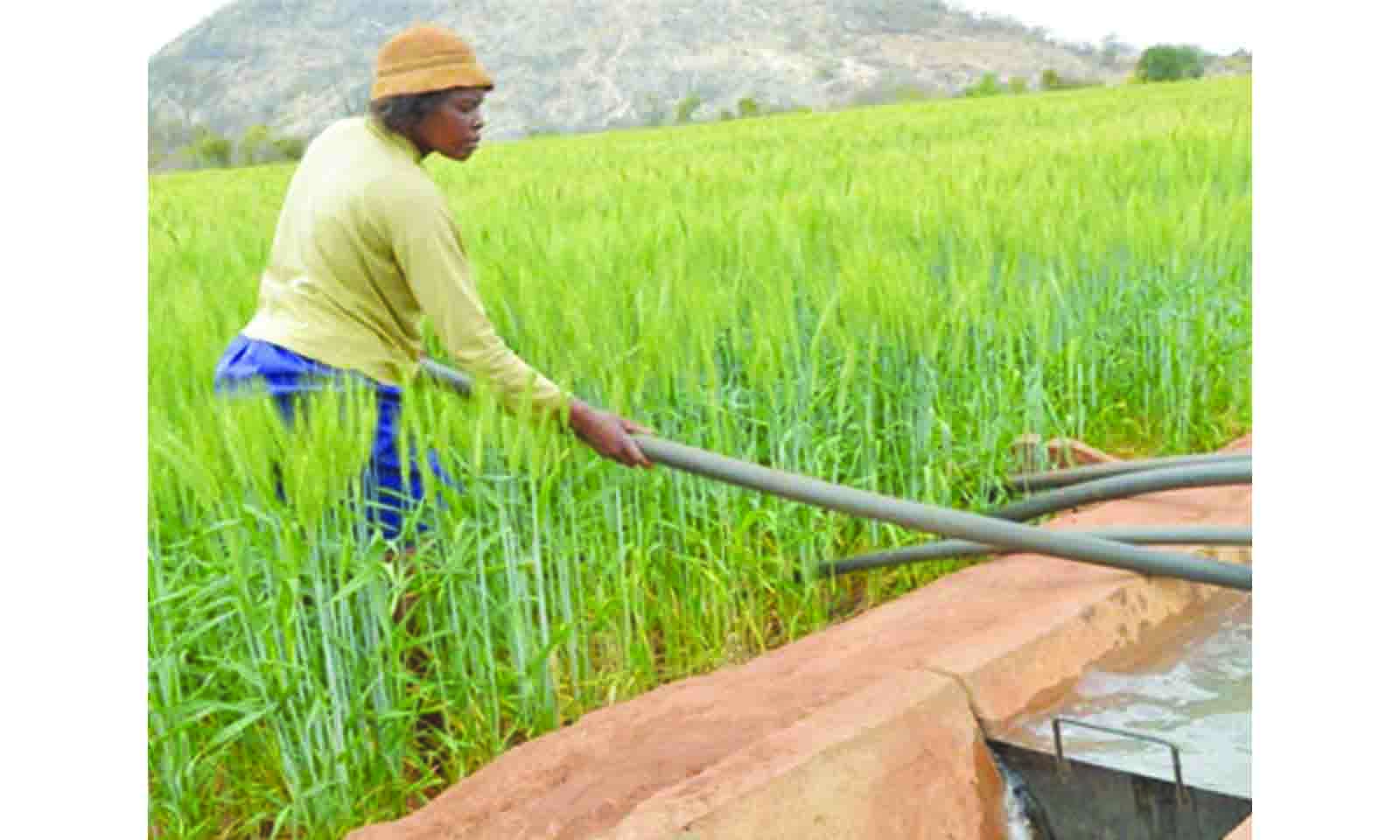
Jimmy Murwira
Zimbabwe’s agricultural sector stands as a shining symbol of resilience and transformation under the Second Republic.
Once crippled by the impact of illegal Western sanctions and the turbulence that followed the Land Reform Programme, the sector has rebounded with remarkable strength and vision.
Today, agriculture has become a cornerstone of national development, driving rural empowerment, ensuring food security and rekindling Zimbabwe’s reputation as the breadbasket of Southern Africa.
The Land Reform Programme, initiated to correct historical land imbalances, was met with heavy international backlash, leading to punitive economic sanctions that crippled production capacity.
For years, many newly-resettled farmers lacked access to modern equipment, inputs and funding.
Yet, under the leadership of the Second Republic, Zimbabwe has moved from subsistence-oriented agriculture toward a modern, technology-driven and commercially viable model.
The Government’s mechanisation drive, smart agriculture initiatives, and irrigation rehabilitation projects have redefined the sector’s future.
At the centre of this transformation lies the Belarus Mechanisation Programme, a flagship initiative of the Second Republic that has revolutionised how farmers work the land.
Through this programme, thousands of farmers across the country have received tractors, combine harvesters, planters, and other modern machinery.
This has not only increased production capacity but has also reduced manual labour and improved efficiency on the farms.
Mechanisation has become more than a productivity booster; it represents empowerment, inclusion, and sustainability. Smallholder farmers, many of whom were beneficiaries of the Land Reform Programme, are now able to operate at commercial levels.
Mechanised farming has allowed them to expand their cultivated areas, harvest more efficiently, and minimise post-harvest losses.
The Government’s strategic partnerships with friendly nations and the private sector have ensured that the country’s agriculture is not only mechanised, but also technologically driven.
Farmers are now being trained to use precision farming techniques, drones for crop monitoring, and mobile platforms for accessing weather data and markets.
Such innovation has placed Zimbabwe on a path toward a resilient and competitive agricultural economy. Despite the continued existence of illegal Western sanctions, Zimbabwe’s agricultural sector has demonstrated that innovation and self-reliance can defeat adversity.
The sanctions, which restricted access to credit lines, equipment, and global markets, could have easily crippled the sector permanently. However, the Government’s vision of building partnerships with progressive nations and promoting local value addition has ensured steady recovery.
Through the engagement and re-engagement policy, the Second Republic has opened new avenues for cooperation with nations willing to support Zimbabwe’s developmental goals. The Belarus Mechanisation Programme, along with similar bilateral arrangements, has become a symbol of practical solidarity and a model of South-South cooperation.
This resilience is also reflected in the success of various crop programmes. Zimbabwe has recorded significant growth in wheat production, achieving self-sufficiency for the first time in decades.
Maize output has also improved steadily, supported by programmes such as Pfumvudza/Intwasa, which promotes conservation agriculture and climate-smart farming practices.
These developments are clear indicators that the Government’s strategic vision is working. Zimbabwe has turned sanctions into a catalyst for innovation, adopting homegrown solutions that prioritise sustainability and inclusivity.
The Second Republic’s agricultural policy is anchored in the belief that rural development is key to national prosperity. By empowering smallholder farmers with resources, training, and technology, the Government has transformed rural communities into engines of growth.
Through the Agricultural Finance Corporation, Agricultural Marketing Authority and various public-private partnerships, farmers now have improved access to funding and structured markets.
This has revitalised the rural economy, leading to increased household incomes and reduced poverty levels.
The shift from subsistence farming to agribusiness has also encouraged youth participation in agriculture. Young entrepreneurs are venturing into poultry, horticulture, and dairy production, taking advantage of digital platforms to connect with consumers and suppliers.
Women have likewise become key players in the agricultural revolution, supported by empowerment programmes that provide equipment, inputs, and technical training.
The vision is clear that a prosperous, modernised agricultural sector that leaves no one and no place behind.
Zimbabwe’s progress has not gone unnoticed. The Southern African Development Community designated October as Anti-Sanctions Month, a regional show of solidarity against the unjust measures that have constrained Zimbabwe’s development. This recognition underscores the regional appreciation of Zimbabwe’s resilience and commitment to self-sufficiency.
The Second Republic’s ability to transform challenges into opportunities has made Zimbabwe a model for regional development. By investing in mechanisation, irrigation, and research, the country is demonstrating that Africa can rise through determination, innovation, and unity.
All these efforts are part of a broader national strategy, Vision 2030, which seeks to achieve an upper middle-income economy within the decade. Agriculture is the cornerstone of that vision.
Through increased productivity, value addition, and agro-industrial development, Zimbabwe is positioning itself to become a regional food hub.
The continued expansion of irrigation schemes, coupled with the construction of new dams such as Kunzvi and Gwayi-Shangani, is ensuring year-round production. This infrastructure development supports not only crop production but also fisheries, livestock, and rural industries.
In addition, the Government’s emphasis on value addition and beneficiation is encouraging local processing of crops such as cotton, soya beans, and sugarcane. This strategy is creating jobs, boosting exports, and enhancing Zimbabwe’s competitiveness in global markets.
Zimbabwe’s agricultural renaissance under the Second Republic is more than just a recovery story, but it is a story of transformation, resilience, and vision. From the ashes of sanctions and scepticism, the country has rebuilt a thriving sector that now drives national growth and social stability.
Mechanisation, innovation, and inclusive empowerment have become the pillars of this success. By investing in farmers, modern equipment, and supportive policies, the Second Republic has restored dignity to the land and hope to the people.
As the nation marches toward Vision 2030, the world is watching a remarkable story unfold, one where determination overcomes sanctions, where local solutions triumph over external pressure, and where the dream of national food sovereignty becomes a living reality.
Indeed, Zimbabwe’s agricultural revolution is proof that when vision meets action, no challenge is insurmountable.