Online Reporter
Sikhumbuzo Moyo recently in Binga
THE Second Republic, under the leadership of President Mnangagwa, has ushered in renewed hope and accelerated development in Binga District, with a series of high-impact infrastructure projects transforming livelihoods and opening up new economic opportunities, traditional leaders have said.
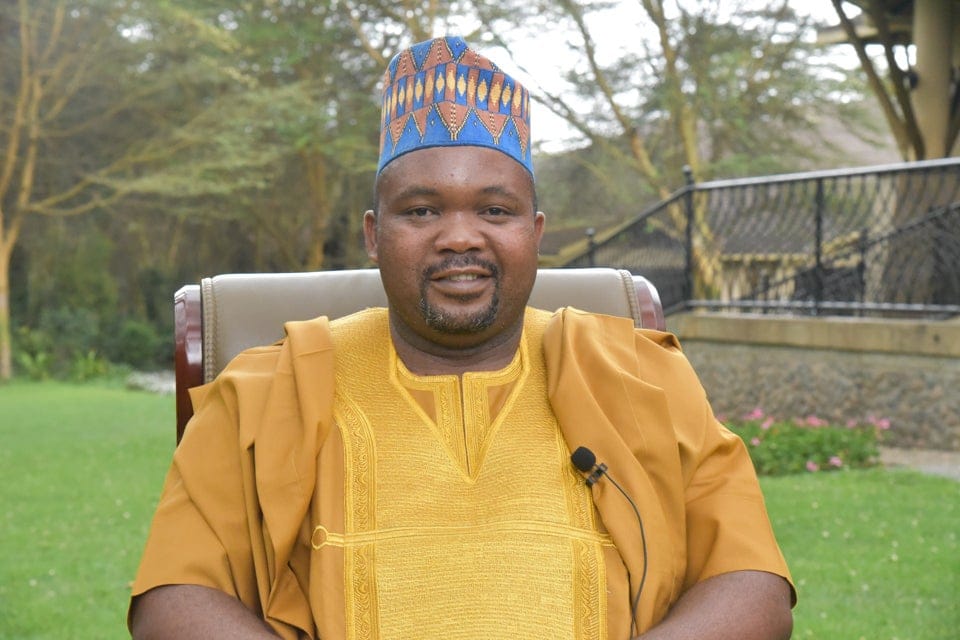
Speaking on behalf of Binga’s traditional leaders during the recent commissioning of the Kasambabezi Border Post by Vice-President Kembo Mohadi, Chief Siansali, who is also a Senator, said the district had undergone a remarkable transformation under the Second Republic, reversing years of marginalisation and underdevelopment.
He said the commissioning of the border post reflected the Government’s commitment to inclusive national development through President Mnangagwa’s philosophy of “leaving no one and no place behind”.
“This effort that we are witnessing today buttresses the President’s philosophy of leaving no one and no place behind.
“Gone are the days when Binga was not even recognised as a district by some Zimbabweans. The new dispensation has brought our district to life, and we are deeply grateful,” said Chief Siansali.
He said Binga was now benefiting from major infrastructure and economic development projects that were improving livelihoods, expanding access to services and creating new opportunities for local communities.
Chief Siansali said the opening of the Kasambabezi Border Post would stimulate cross-border trade, create employment and strengthen economic ties between Zimbabwe and neighbouring Zambia.
He added that Government investment in public infrastructure and service delivery had restored confidence among the people of Binga, with the district steadily emerging from years of isolation to play a more prominent role in the country’s socio-economic development.
Despite the progress, Chief Siansali appealed to the Government to prioritise the rehabilitation of the district’s road network, describing the deteriorating roads as one of the greatest obstacles to development.
“I cannot leave this podium without mentioning the cries of our people. The district no longer has roads worth talking about.
“Virtually all roads across the district have become death traps. Most bridges and culverts have collapsed.
“We kindly plead, through your good office, that this situation be treated as a state of emergency,” he said.
He said poor roads had made travelling within the district extremely difficult, resulting in significantly higher vehicle maintenance costs than in many other parts of the country.
“Please come to our rescue. I know our President is a listening President. Our efforts to meet him as chiefs from the district have not been successful for almost three years.
“We hope and pray that, through your good office, you will help unlock the doors for us.”
The Kasambabezi Border Post is expected to strengthen regional integration by facilitating the movement of people and goods while unlocking the economic potential of Binga and surrounding communities.
Richly endowed with the Zambezi River, natural hot springs, abundant wildlife, fishing, boating, crocodile farming and a distinctive cultural heritage, Binga has long been regarded as one of Zimbabwe’s most promising tourism destinations.
To harness this potential, the Government is implementing the Integrated Development Programme and the Conceptual Development Framework for the Victoria Falls-Hwange-Binga Special Economic Zone. The initiative aims to establish a vibrant tourism and investment corridor stretching from Kazungula through Victoria Falls, Hwange, Binga, Sijalila and Kariba, with links to the Lake Gwayi-Shangani area, in line with Vision 2030.
The Government, through the Rural Infrastructure Development Agency (RIDA), has also rehabilitated the Binga Airstrip, upgrading it from a gravel runway to a fully tarred facility. The project has resulted in increased air traffic, with aircraft movements rising from about three flights a month to between four and eight.
Meanwhile, construction of the district’s Civil Registry Office is now about 70 percent complete, with commissioning expected before the end of the year. Once operational, the facility will improve access to essential civil registration services, reducing the need for residents to travel long distances to obtain key identity documents.