Online Reporter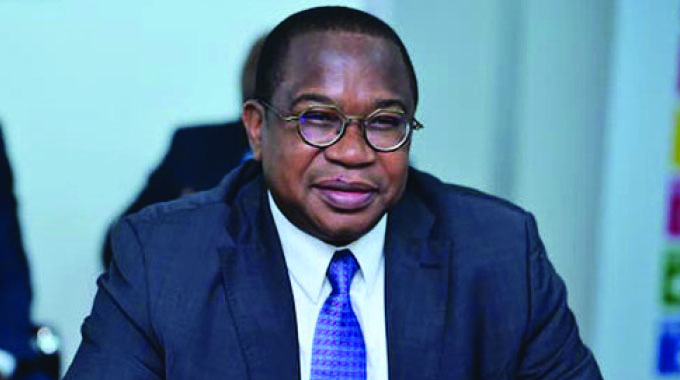
Marshall Ndlela, [email protected]
IN a significant policy shift indicative of the Second Republic’s commitment to responsive governance, the Ministry of Finance, Economic Development and Investment Promotion has rolled back several tax hikes implemented earlier this year. This strategic decision marks a retreat from fiscal overreach in favour of pro-growth policies, aligning with the Government’s vision for a prosperous Zimbabwe. Under the dynamic leadership of President Mnangagwa and Finance Minister Professor Mthuli Ncube, these tax cuts not only respond to mounting public pressure but also aim to hasten Zimbabwe’s ascent to upper-middle-income status by 2030. Grounded in supply-side economic theory, the cuts emphasise that reducing tax burdens can incentivise investment, enhance productivity and ultimately expand the tax base. This initiative resonates with the philosophy, “Nyika inovakwa nevene vayo/Ilizwe lakhiwa ngabanikazi balo” (The nation is built by its people), especially as Zimbabwe continues to grapple with a persistent inflation rate of 31 percent and an unemployment rate of 8,6 percent.
The Second Republic’s economic renaissance: Milestones under President Mnangagwa’s stewardship
Since its establishment in 2017, the Second Republic has engineered a remarkable turnaround from the hyperinflationary crisis of the early 2000s, which saw annual price increases surpassing 66 000 percent. Guided by the National Development Strategy 1 (NDS1, 2021-2025), President Mnangagwa’s administration has prioritised infrastructure, agriculture, and mining as foundational pillars for Vision 2030 — a bold blueprint for transforming Zimbabwe into an upper-middle-income economy by achieving a per capita income exceeding US$3 000 by 2030.
Infrastructure development has emerged as a hallmark of progress, with significant projects like the rehabilitation of the Harare-Beitbridge Highway and modernisations at critical border posts enhancing regional trade within the Southern African Development Community (SADC).
Meanwhile, agriculture, which sustains approximately 70 percent of the population, is projected to rebound impressively with a 12,8 percent growth anticipated in 2025, following strong recovery from El Niño-induced droughts. In tandem, the Manhize Steel Plant, poised to be among Africa’s largest integrated steelworks, showcases value addition in the mining sector, reducing dependence on raw commodity exports.
The tax squeeze: How increases stifled momentum
This hopeful trajectory faced a serious challenge due to a series of tax hikes introduced in the 2025 National Budget, aimed at addressing a significant fiscal deficit of approximately ZWG$4,1 billion. The proposed increases included a 0,5 percent fast food tax, a 10 percent withholding tax on sports betting winnings, and a variety of rises in excise duties. While these measures were aimed at generating an additional ZWG$7,155 billion in revenue, they inadvertently stifled economic momentum and fuelled cost-push inflation.
The backlash was immediate and widespread, with voices of dissent emerging from various sectors of the economy — particularly from the Confederation of Zimbabwe Industries (CZI) and the Confederation of Zimbabwe Retailers (CZR), who argued that these increases unfairly burdened low-income consumers. This outcry exposed the delicate balance the Government needed to maintain between necessary fiscal policies and the economic realities faced by Zimbabweans.
Voices of the nation: Public outcry and the Ministry’s responsive pivot
In response to the backlash, the Ministry of Finance quickly pivoted on its stance. A public notice in September 2025 unveiled a series of tax cuts aimed at easing operational burdens across different sectors. Fines related to parking and clamping were halved and vehicle licensing fees were significantly reduced. Moreover, transit fuel duties were repealed entirely, reflecting the Government’s commitment to listening to the concerns of its citizens.
These tax adjustments highlight a recognition of the challenges faced by everyday Zimbabweans, particularly those in the informal sector. As one Harare vendor noted, “It’s a breath of fresh air — finally, policies that positively impact our pockets.”
These revisions prioritise logistics and transport — key components essential for informal trade, which constitutes 80 percent of Zimbabwe’s economy.
Unshackling growth: Attracting investment and easing business burdens
By alleviating these burdens, the Government aims to stimulate economic activity and foster a more favourable investment climate. The potential economic multiplier effect of these tax cuts cannot be understated; every dollar saved by businesses and consumers could generate up to US$1,50 in economic activity down the line. For example, reduced operational costs for small and medium-sized enterprises (SMEs) could lead to increased hiring, improved wages and greater consumer spending — all of which further stimulate growth across multiple sectors.
Business owners are likely to experience significant savings, allowing for reinvestment that could, in turn, create thousands of jobs — estimates suggest up to 50 000 new roles in the transport and retail sectors by 2026.
Everyday victories: Consumers reap transport and licensing savings
With 90 percent of the population relying on public transport, the tax cuts present a significant financial reprieve for everyday citizens. The reductions in taxes and fees for transport can translate into decreased fares, easing the financial strain felt by low-wage earners amid ongoing inflation.
Experts anticipate a drop in unemployment rates as formal job opportunities increase, particularly within the mining and agriculture sectors. By curbing inflation through efficient supply chains, Zimbabwe is positioning itself closer to realising the ambitions laid out in Vision 2030, with projected annual growth rates of seven percent. The multiplier effect, compounded by increased consumer confidence and spending, could further accelerate this growth, creating a cyclical benefit to the economy.
A call to action: Businesses, ministries and municipalities must follow suit
To ensure sustained impact, businesses are encouraged to pass along their savings through price reductions, thereby fostering a conducive environment for economic healing. Simultaneously, other ministries must streamline their policies to support broader economic goals.
For the potential of investment to be fully realised, further cuts in property taxes and rentals are essential. High costs in these areas have been deterrents for many developers and diaspora investors. Addressing these barriers could unlock billions in foreign investment, solidifying the foundations for long-term economic growth.
The recent tax cuts illustrate the Second Republic’s commitment to adaptive and responsive governance under President Mnangagwa. As Zimbabwe progresses towards its upper-middle-income aspirations, these measures, bolstered by the economic multiplier effect, could serve as a pivotal moment on the path to enduring prosperity.