Online Reporter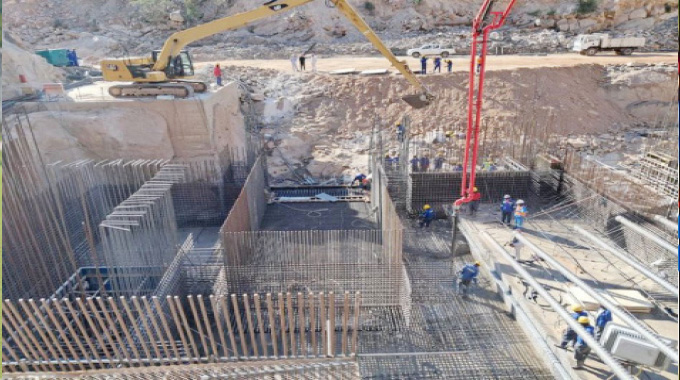
Gibson Mhaka, Zimpapers Politics Hub
FOR years, the communities of Matabeleland North Province felt disconnected from the rest of Zimbabwe, grappling with a sense of being “cut off” due to a notable lack of development.
However, with the advent of the Second Republic and its people-centred and inclusive development philosophy of leaving no one and no place behind, the tide has turned.
The province is now witnessing tangible and transformative progress, with residents revelling in numerous infrastructure development projects.
This remarkable turnaround has been made possible by deliberate funding models, particularly the devolution policy, which has directly empowered communities and ushered in an era of newfound belonging and identity.
Since the coming of the Second Republic, under the servant leadership of President Mnangagwa, Matabeleland North has benefited from a number of signature projects that have been implemented across the region.
These high-impact initiatives, which are central to the new Government’s national development agenda, have brought significant benefits to communities, demonstrating a clear commitment to fostering equitable growth and ensuring that the province is a full and equal participant in the country’s economic and social advancement.
A number of signature projects have become a dream come true in Matabeleland North and brought a lot of hope to communities.
These include the expansion of Hwange Thermal Power Station Units 7 and 8, the significant progress of Lake Gwayi-Shangani, the Lupane Provincial Hospital, Provincial Offices, Lupane State University (LSU) student hostels, Bulawayo Kraal Irrigation Scheme in Binga, Binga mortuary, Binga training school and the airstrip, the upgrading of the Victoria Falls International Airport, and the Hwange Teachers’ College among others that are at various levels of completion.
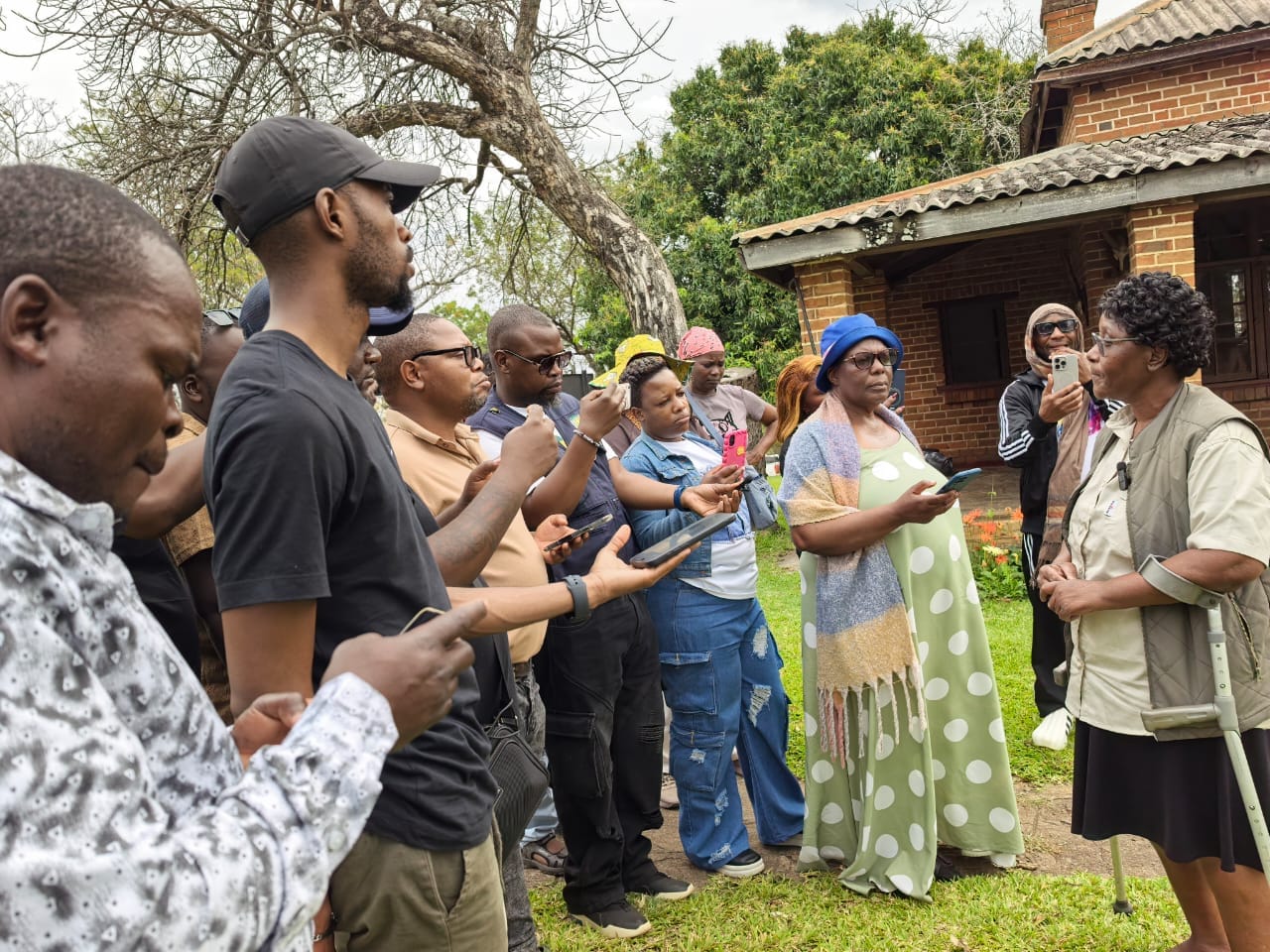
In a bold move to gain first-hand insight into how the private sector, supported by sound Government policies, is driving the country’s economic transformation, the Minister of Information, Publicity and Broadcasting Services, Dr Jenfan Muswere, and his team recently led a media tour of key development projects in the province.
During the tour, Dr Muswere’s delegation visited the ZPC Hwange Units 7 and 8, Hwange Colliery, the Victoria Falls highway rehabilitation works, and the Hwange Titan electricity project.
The tour provided first-hand insights into how the private sector, supported by sound Government policies, is driving the country’s economic transformation.
These sites highlighted the progress in energy, infrastructure, and industrial development, underscoring the Government’s commitment to sustainable growth.
The two units, 7 and 8, which were constructed after deals signed between Zimbabwe and China, have become integral to the country’s energy security, contributing 53 percent of Zimbabwe’s total energy output last year.
They are currently powering growth in agriculture, mining and manufacturing.
Engineer Ngonidzashe Dzumbira, Hwange Electricity Supply Company’s acting facility site manager, said the new units, each designed to generate 335 megawatts, were performing optimally.
Dr Muswere said the investments at Hwange demonstrated the Government’s commitment to energy security and industrialisation.
“This particular provincial media tour is also testimony in terms of achievements of the Government’s commitment to ensure that we achieve energy security and also contribute towards industrialisation of our country,” he said.
He commended the power station’s role in supporting downstream industries, creating jobs, and maximising coal’s value.
In alignment with the Government’s vision to promote transparency and celebrate progress as Zimbabwe advances towards its economic goals, a Special Advisor in the Office of the President is expected to visit other transformative projects again in Matabeleland North province.
The itinerary includes monitoring the progress of the Lupane Provincial Hospital oxygen plant installation, the ongoing construction of the Lupane State University Technovation Centre, and the advancement of the Lake Gwayi-Shangani.
This tour highlights the Government’s continued focus on these key projects and their strategic importance to the region.
The installation of an oxygen plant at Lupane Provincial Hospital is a critical step for the health sector, promising to improve access to specialised healthcare services for a wide catchment area.
In higher education, the construction of the Lupane State University Technology and Innovation Centre is set to bolster research and development, while also equipping the youth with vital digital and technical skills.
Meanwhile, the flagship Lake Gwayi-Shangani project is a monumental effort to address long-standing water shortages by establishing irrigation schemes, generating hydropower, and ensuring a reliable supply of potable and industrial water, thereby unlocking the agricultural and economic potential of the entire region.
These repeated tours by Government officials are a clear demonstration of the Second Republic’s commitment to the development of Matabeleland North.
By consistently monitoring the progress of these transformative projects, the Government is not only showcasing transparency and accountability but also reinforcing its leaving no one and no place behind philosophy.
Full article on www.chronicle.co.zw
Such high-level oversight ensures that these initiatives remain a top priority and that any challenges in their implementation are addressed promptly.
This hands-on approach builds public trust and serves as a visible assurance to the communities that the government is fully invested in their long-term economic and social empowerment.
The province is also witnessing the major rehabilitation of the Bulawayo-Victoria Falls highway, a critical artery for both trade and tourism.
Contractors have been engaged to carry out a complete overhaul of the worn-out road, replacing sections with new, durable surfacing to enhance safety and reduce travel time.
This project is a vital component of the Government’s infrastructure development strategy, as it improves regional connectivity and facilitates the movement of goods and services, particularly to the world-renowned tourist destination of Victoria Falls.
The undertaking underscores the commitment to developing a world-class road network to support economic growth and boost the tourism sector in the region.
It is clear that with a resolute focus on equitable development, the Second Republic has embarked on a transformative journey for Matabeleland North, a province that historically lagged behind in infrastructure projects.
This renewed commitment is demonstrated by a multitude of high-impact initiatives, which are not just isolated projects but part of a comprehensive strategy to connect the province to the rest of the country and stimulate its economy.
Key projects such as the Lake Gwayi-Shangani, the expansion of the Hwange Power Station, and the construction of the Lupane Provincial Hospital are not merely blueprints but tangible signs of progress, with many already nearing completion.
Furthermore, the prioritisation of road rehabilitation and new constructions, like the Bulawayo-Nkayi and Bulawayo-Tsholotsho roads, is dramatically improving connectivity and accessibility.
This wave of development, underpinned by the leaving no one and no place behind philosophy, is fundamentally reshaping the landscape of Matabeleland North, fostering economic opportunities, and signalling a new era of growth and prosperity for the region.