admin
admin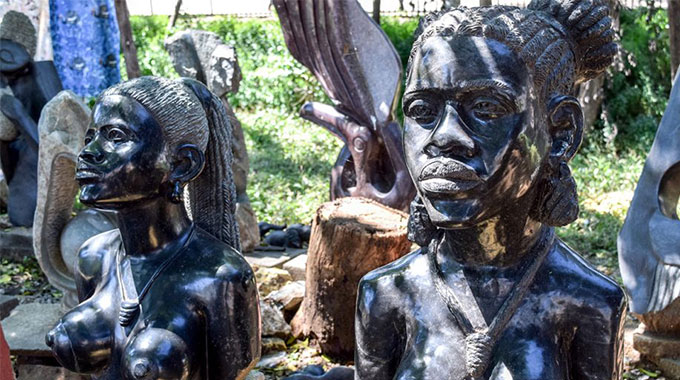
Tafadzwa Gwetai
Art, in its broadest sense, is a form of communication. It means whatever the artist intends it to mean, and this meaning is shaped by the materials, techniques, and forms it makes use of, as well as the ideas and feelings it creates in its viewers.
This can be described as the content which will always need a context to exist. The meaning, message, and/ or feeling imparted by a work of art.
Content is inextricably linked with form, which refers to the pictorial aspects of art. In a word, its design including choices about shapes, colours, framing, contrast, soft or hard edges, and many other expressive form that Africa in particular has been amazing and upholding since origin of mankind.
Art is a great way to express one’s emotions and feelings. Artists use colours, lines, and other elements of art and principles of design to create feelings, such as anger and happiness in their artwork.
Just as authors tell tales with words, artists use paint to describe scenes, characters, action, and conversations. Authors go into to the details of describing the space in which the scene they write about appears so the reader can exist in that space too.
The colour, smell, texture of the place or context are so vividly described to let reader into this world. Within these descriptive words lies a hidden message that the author does not intend to be obvious.
This is where literary genius kicks in and the authors incorporate elements like satire and irony just to spice things up or create some elements of comic and yet dark depths of human character. Theatre, spoken word and song have the same ability of word or lyric power to be able to suggest hidden meaning and messages through their creations.
Visually is where the painters and sculptors come in with the added ability to translate those same words into something tangible. Painters rely on colours, text and contexts that people can relate to or even imaginary places for the viewer to transport themselves.
Like in literature, a painting cannot be taken at face value as there are usually layers upon layers of meaning that are embedded deep with the colours.
Stone sculpture and found object sculpture have ways of secretly communicating messages through their disposition and textures that tell a narrative of possibly how our value system towards our traditional and modern symbols stands.
Zimbabwe has always been known to use stone in the fabric of is origins as both for construction and stone as a solid symbol of strength thus “Dzimba Dzemabwe”.
The symbolic nature of stone was significant as a message to those who were to visit that this was a place of strength derived from the stone. It is not surprising that stone sculpture thrived in Zimbabwe with such a foundation.
Despite the artistic colonial agenda where curators and dealers capitalised on stone sculpture from Zimbabwe.
Some how the traditions and spiritual messages were preserved with in these stone works created by our first generation stone masons.
The European was mainly concerned with the aesthetics, shape and form of the stone and overlooked the power within the symbols that would have been carved.
Cultures and traditional messages have been preserved in the stone works created by what was once termed “Shona sculpture” by the colonisers.
A term that was gradually revolted against by Zimbabwean sculptors as this term was geographically limiting and showed lack of understanding of the genre.
In times past, when people were forbidden to express their opinion or beliefs publicly, or it was considered rude to let your true feelings be known, a painting or a sculpture was a suitable medium in which an artist could hide a message.
Many of these messages were often political, moral, or based on religious allegories. However, some of them had a purely amusing character which was the artist’s way of having some fun and leaving his personal mark on the canvas.
All throughout history, especially in the middle ages and the Renaissance, famous artists have placed hidden meanings within their works of art.
The Ndebele tribe originally in the early 18th century lived in grass huts. They began using mud-walled houses in the mid-18th century when these symbols begin to be created on their houses and walls.
These expressive symbols were used for communication between sub-groups of the Ndebele people. They stood for their continuity and cultural resistance to their circumstances.
The Boer farmers did not understand the meaning and viewed it as cultural art that was not harmful, so it was allowed to continue. These wall paintings done by the women was their secret messages or codes to their people, disguised to anyone but the Ndebele.
We live in times of the global village where it is much harder to preserve tradition. But if we look deeper into the art or read deeper or listen intently to the spoken word we might hear and understand the hidden messages disguised for the the African eye and ear by the African artist.
‘Legalise Art’, promote, permit, admit, validate, legitimise, decriminalise, authorise, permit, make legal, make lawful.


 Online Reporter