admin
admin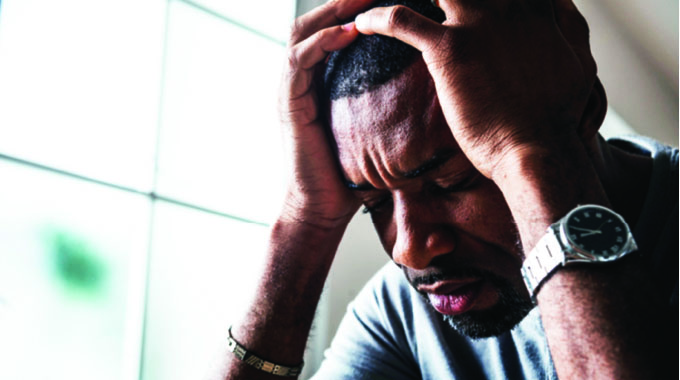
Julia Pheveni
Herald Correspondent
In a world filled with hectic schedules, mounting pressures, and constant demands, self-care has become an essential aspect of maintaining one’s overall well-being.
Zimbabwe, a country rich in cultural heritage and resilience, finds itself facing numerous socio-economic challenges.
Amid these difficulties, the concept of self-care emerges as a powerful tool for individuals to nurture their physical, emotional, and mental health.
It is pertinent, therefore, that the value of self-care in the country is explored with emphasis on its relevance for personal growth, resilience, and the creation of a healthy society.
Self-care refers to a variety of actions that people participate in to improve their well-being. It involves behaviours, like practising mindfulness, living a healthy lifestyle, seeking social support, and participating in hobbies and leisure activities.
Abraham Maslow’s Hierarchy of Needs offers important insights into the need of meeting fundamental needs before moving on to higher-level goals.
In Zimbabwe, where many people lack access to basic essentials, like food, water, and shelter, self-care practices become critical for survival and wellbeing. Zimbabweans can meet their fundamental physiological and safety requirements by prioritising self-care, as advocated by Maslow’s Hierarchy of Needs.
These basic necessities, such as food, water, shelter, and personal safety, are required for humans to progress to greater stages of personal growth.
Taking care of one’s physical health is a critical component of self-care. Regular exercise, decent nutrition, and appropriate sleep guarantee that individuals have the energy and vigour to pursue personal development possibilities. Individuals who prioritise their physical well-being are more prepared to tackle the obstacles and demands of daily life, whether in school, professional progress, or personal goals.
Zimbabwe has encountered tremendous socioeconomic issues, such as inflation, unemployment, and a lack of essential amenities. In such a situation, self-care practices may play a critical role in promoting individual resilience and empowerment. Self-care activities provide people with a sense of control over their lives, which boosts their self-efficacy.
Learning and practising stress management skills, for example, allows people to handle difficult circumstances more efficiently, minimising helplessness. This sense of empowerment motivates people to take proactive actions to solve wider social concerns like poverty and injustice, thus establishing a culture of collective resilience.
Mental health and emotional well-being are important aspects of total health that are sometimes disregarded. The stigma associated with mental health concerns exists in Zimbabwe, preventing people from getting the required help. Promoting self-care as a way of prioritising mental health can help to break down these barriers and encourage a more empathetic and supportive community.
Emotional well-being may be improved by encouraging self-care practices such as meditation, writing, and seeking therapy or counselling. Individuals can use these activities to process their emotions, manage stress, and develop resilience.
They may increase their emotional intelligence by incorporating self-care into their daily routines, improving their capacity to communicate effectively, settle problems, and establish stronger connections within their families, communities, and workplaces.
Moreover, self-care practices have a ripple effect on personal relationships and community well-being. Individuals who prioritise self-care are better equipped to show up for their families, friends, and communities.
Zimbabwe may pioneer the way for a healthy society by emphasising self-care as a key component of human growth and well-being. The advantages of self-care go beyond the individual, impacting families, communities, and the nation as a whole. Individuals who prioritise their well-being are better able to constructively contribute to their families and communities.
Self-care practices can promote stronger relationships, empathy, and compassion, resulting in more social connections and less social isolation. Zimbabwe may foster a culture of communal well-being and social support by making self-care a cultural norm. As a result, productivity, creativity, and invention can increase, favourably benefiting economic growth and social progress.
In Zimbabwe, self-care emerges as a transformative tool that individuals can employ to nurture their physical, emotional, and mental well-being. The country may create the groundwork for a better future by emphasising self-care, empowering people to overcome obstacles, prioritise their health, and contribute to the development and prosperity of the country as a whole.
Hence, self-care can ultimately provide the groundwork for personal development in Zimbabwe. People are better able to pursue greater objectives and possibilities for personal growth when their fundamental physiological and safety demands are met.
. Julia Pheveni is studying towards a Master of Science in Counselling Psychology degree at the Great Zimbabwe University. She can be contacted at [email protected]


 Online Reporter