Chronicle Editor
Sikhumbuzo Moyo, [email protected]
A total of 320 underprivileged but academically gifted learners from 32 primary schools in Bubi District received school uniforms as part of efforts to boost their self-confidence and instil discipline.
National Assembly representative of the area and Deputy Minister of Higher and Tertiary Education, Innovation, Science and Technology Development Cde Simelisizwe Sibanda, who donated the uniforms, said the gesture was meant to improve self-esteem and promote discipline among learners, which in essence contributes to improved pass rates in the district.
There are 57 primary schools in Bubi, a district which is largely a resettlement area resulting in school children walking long distances to school.
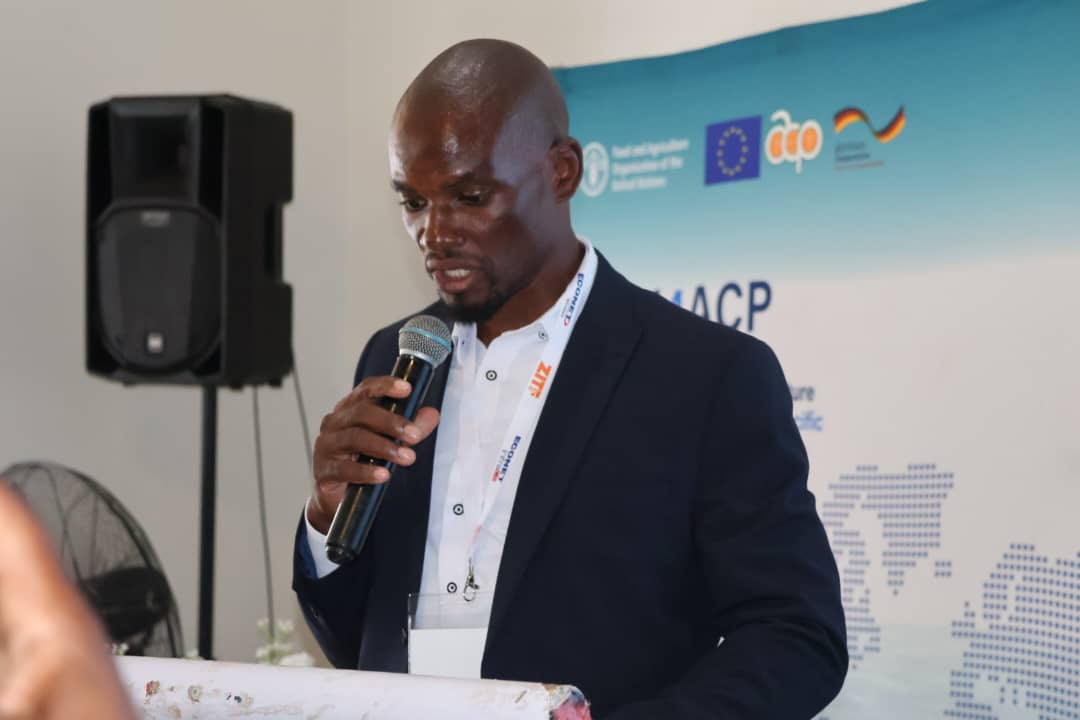
Speaking at a computer handover ceremony at Mangubeni Secondary School last Friday, Cde Sibanda said uniforms by their nature are meant for easy identification of learners and in turn improve the learner’s discipline.

“When a child is dressed differently from other schoolmates who will be in uniform, they tend to have low self-esteem which affects their studies and eventually the school records low pass rates. This venture is therefore meant to address these issues in one way or the other,” said Cde Sibanda.
While the district has been registering a steady improvement in Grade Seven examination pass rates in the last four years, the rates remain low.
In 2020, Bubi District recorded a 14,17 percent pass rate before posting 19 percent the following year.
In 2022, the district scored 20,19 percent while last year the figure went up to 22,40 percent.
Cde Sibanda said at a time when the nation is grappling with drug and substance abuse, leading to other social ills such as indulging in early sexual activities, a learner in a school uniform is easily deterred from such practices for fear of being reprimanded.
“We all know that some learners from this district walk very long distances to school which exposes them to many social ills where they will not be known but if in uniform, they are organised. For now, we have settled for 32 schools in the district but going forward, we would want to have more and even increase the number of beneficiaries per school,” said Cde Sibanda.
Early this week, Chief Mtshana Khumalo said there was need to construct more schools in resettlement areas to reduce distances walked by pupils.
He said education is a vital foundation for a better life and every child should enjoy his or her right to education.
“There is a maximum distance which a child must walk to school, 5km to be exact, but we have children walking three times that distance, some as young as 10 or less. Some of these children end up dropping out of school not because they want to but due to the distances that they walk,” said Chief Mtshana.
Meanwhile, there are 7 514 primary schools and 3 175 secondary schools in the country with Government saying 2 800 more schools are still needed.


 Online Reporter