Online Reporter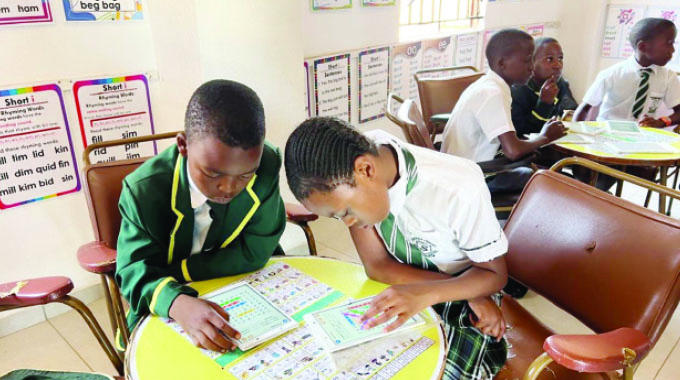
Sukulwenkosi Dube-Matutu, [email protected]
A READING clinic introduced at Senondo Primary School in Gwanda, the provincial capital of Matabeleland South, has significantly reduced the number of non-readers, with the school leveraging Information Communication Technologies (ICTs) to strengthen literacy among learners.
The school has cut its non-reader rate from 11,5 percent last year to 5,7 percent, a milestone that has been commended by the Ministry of Primary and Secondary Education.
Speaking during a tour of the school, Primary and Secondary Education Permanent Secretary Mr Moses Mhike said eliminating non-readers is essential for building a strong education system and aligns with the country’s development agenda.
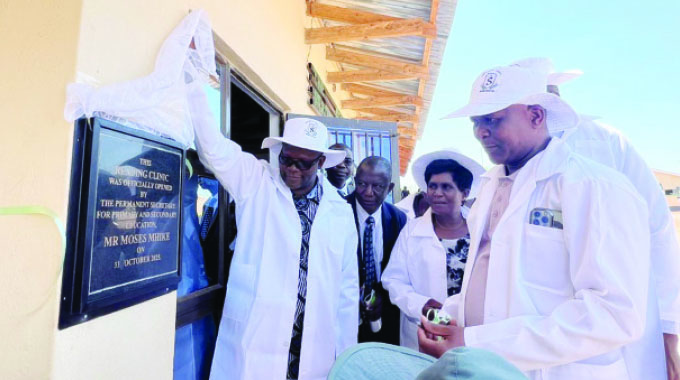
He urged other schools to replicate the Senondo model to improve learning outcomes at primary level.
“The reading clinic introduced here is a very good innovation where technology is being used in teaching and learning. One of the greatest challenges we face as a ministry is the issue of non-readers and this school has naturally attacked that,” said Mr Mhike.
He said the integration of ICTs helps keep learners engaged and supports deeper comprehension as poor comprehension is one of the reasons many pupils struggle with Grade Seven examinations.
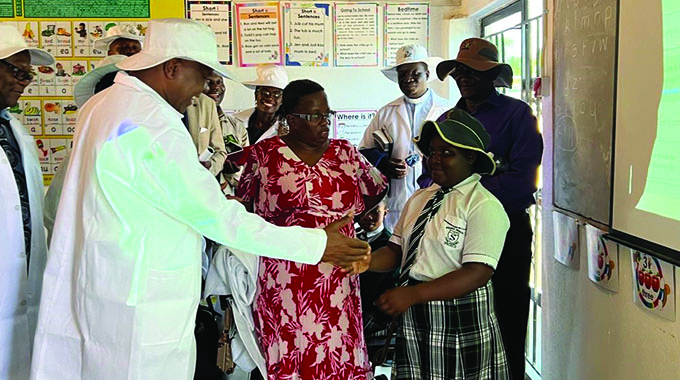
“This generation of learners enjoys learning when ICTs are used. They are techno-savvy and as a ministry we have been doing them a disservice. As we roll out ICT programmes, we must take these children on board so that they are able to use these technologies,” said Mr Mhike.
He said Senondo’s success demonstrates that the country has the human capital capable of integrating technology into teaching and learning.
“Addressing non-readers fits in well with President Mnangagwa’s vision for an education system that drives development.
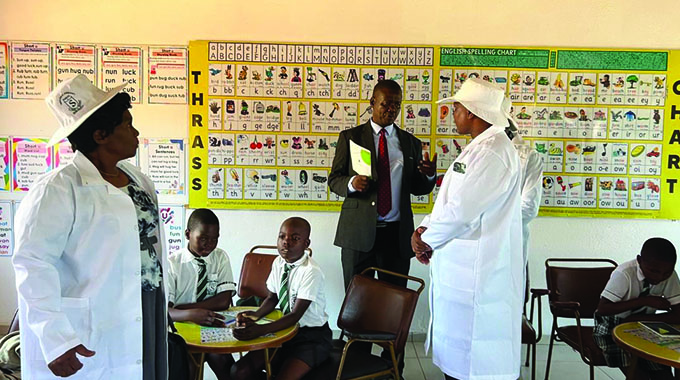
“When you include ICTs in teaching and learning, the process becomes even better. We must move away from traditional methods,” said Mr Mhike.
A Grade Four teacher at the school, Ms Sherley Shumba, said the clinic uses a range of digital tools and applications designed to develop reading skills. These include reading games, e-learning applications, stories and fishing games that use sound to reinforce literacy.
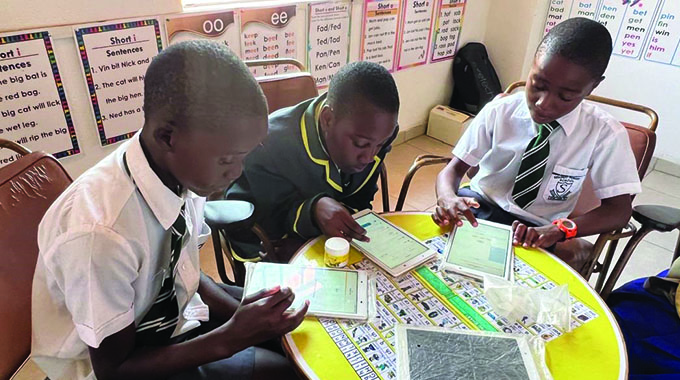
Ms Shumba said learners also practise typing to build speed, accuracy and vocabulary recognition.
“Learners are timed in their typing, where they spell words within a given time frame and the computer tests their speed. When reading, learners pronounce words using syllables, helping them understand how to break down and attack words,” she said.
Ms Shumba added that learners also access comprehension stories for leisure reading, sharpening their skills both in class and at home since some applications are accessible online. — @DubeMatutu