Peter Tanyanyiwa
Peter Tanyanyiwa
Herald Correspondent
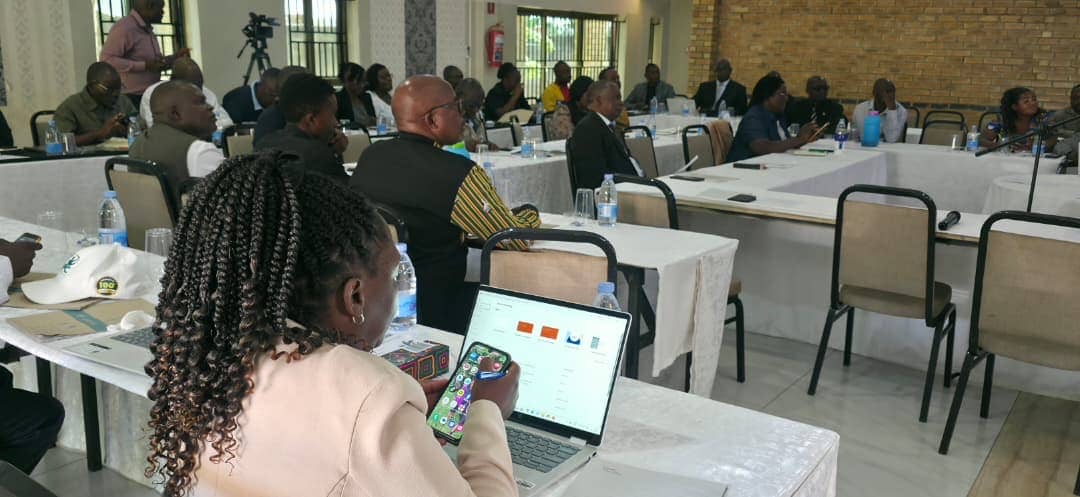
At the heart of a rapidly urbanising Zimbabwe, where service delivery challenges continue to strain the daily lives of citizens, a clarion call for transformative, citizen-centred governance was made at the Zimbabwe National Organisation of Associations and Residents Trust (ZNOART) National Service Delivery Conference held in Harare last week.
The conference brought together a diverse tapestry of stakeholders, including Government officials, local authorities, residents’ associations, and development partners, including the Zimbabwe Wetlands Trust and BirdLife Zimbabwe, all united under the theme: “Citizen-Centric Service Delivery: Putting Residents First.”
The trust’s national chairperson, Mr Shalvar Chikomba, stressed the need for collaboration between residents, Government institutions, and service providers.
“Today marks a historic milestone,” he said. “This gathering sets the tone for meaningful engagement, collaboration, and accountability.
“Residents must be at the centre of planning and implementation because transparency and inclusion are the bedrock of sustainable service delivery.”
Mr Chikomba did not shy away from painting a sobering picture of the state of service delivery in Zimbabwe.
“Across Zimbabwe, service delivery remains a serious challenge. Residents in urban communities endure intermittent water supplies, unreliable electricity, deteriorating road infrastructure, and inefficient waste management systems,” he noted.
“In many communities, residents go for weeks without water, businesses lose productivity due to power outages, and roads become impassable, affecting safety and economic activity.”
This reality, he argued, demands urgent and innovative solutions. He commended the Government’s efforts in addressing the issues through public-private partnerships (PPPs), such as the City of Harare’s collaboration with Geo Pomona Waste Management company and Helcraw Water’s prepaid smart water metering systems.
However, he stressed the importance of ensuring that these partnerships are transparent and accountable, with residents playing a part in their planning and execution.

Speaking at the conference, Dr Maxmore Njanji, chairperson of the Parliamentary Portfolio Committee on Local Government, Public Works, and National Housing, highlighted the constitutional mandate for good governance and accountability in local authorities.
“Section 3(2) of the Constitution enshrines good governance and the devolution of powers as foundational values of our State,” he said.
“Parliament must ensure that public resources are utilised lawfully, efficiently, and effectively. Citizens have the right to petition Parliament and hold institutions accountable.”
Dr Njanji revealed that his committee had been conducting oversight visits to local authorities across the country to assess service delivery and address gaps.
“From March 22 to 29, 2026, we will embark on fact-finding visits to all ten provinces, focusing on critical areas like water supply, sanitation, refuse collection, and housing delivery,” he announced.
“These engagements are crucial to ensuring that no one and no place is left behind as we march towards Vision 2030.”
A recurring theme throughout the conference was the potential of devolution to bring governance closer to the people. “Devolution is not just a constitutional imperative; it is a practical solution to many of the challenges we face,” Dr Njanji remarked.
“Local authorities must ensure that governance is effective, transparent, and accountable, while actively engaging citizens to align budgets and development plans with community priorities.”
His sentiment was echoed by Harare Mayor Councillor Jacob Mafume’s representative at the conference, Councillor Temany Utete, who called for stronger partnerships between local authorities and residents.
“The city of Harare cannot move without you,” he said. “Residents are the engine of service delivery. Without your leadership and participation, the city will struggle to deliver.”
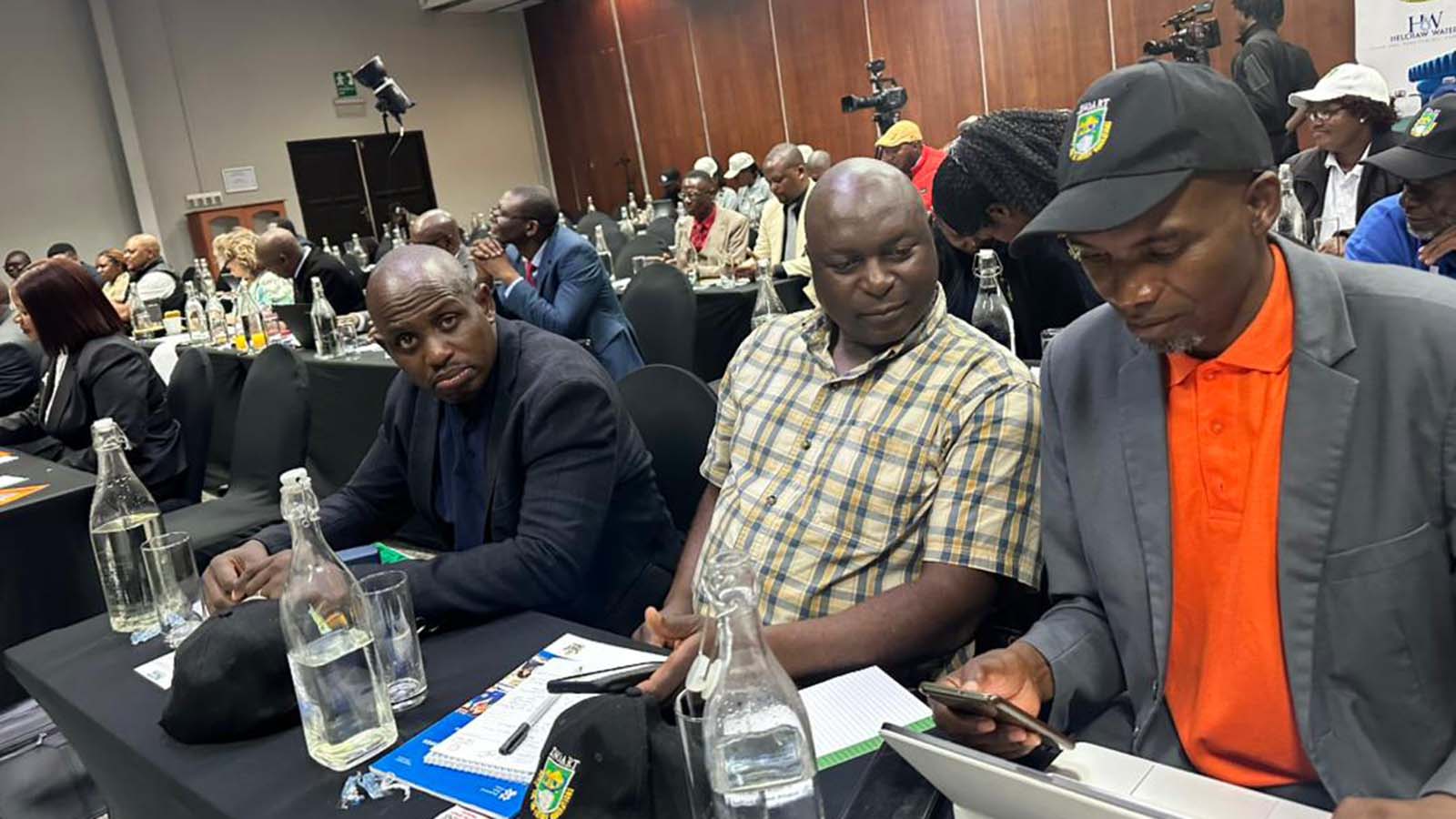
The conference also spotlighted the role of innovation and PPPs in improving service delivery. Eng. John Dembaremba from ZESA Holdings noted that safeguarding electricity infrastructure is a collective responsibility, while Mr Rumbidzai Mushati of Helcraw Water elaborated on the benefits of smart water metering systems.
“These systems not only improve efficiency but also promote accountability by ensuring residents pay for the water they consume,” Mr Mushati explained.
However, Mr Chikomba cautioned that PPPs must prioritise public interest. “Partnerships can significantly transform service delivery, but they must always be guided by transparency, accountability, and the inclusion of residents.”
The trust as an apex body representing residents and associations across all 10 provinces, has become a key player in fostering citizen-driven governance.
With over 30 000 members and a goal of reaching 100 000 by 2030, the organisation has prioritised service delivery, environmental management, gender and social welfare, and combating drug and substance abuse.
“Residents are not just beneficiaries; they are the drivers of development,” Mr Chikomba emphasised.
“Through active participation, communities can monitor and evaluate service delivery, ensuring that it aligns with their needs and priorities.”
As the conference concluded, the message was clear: Zimbabwe’s path to sustainable development lies in transparent, accountable, and citizen-centred governance.
Mr Chikomba issued a rallying cry to all stakeholders.
“Let us commit to placing citizens at the centre of decision-making. Together, through dialogue and innovation, we can transform service delivery and create a better future for all Zimbabweans.”
The National Service Delivery Conference is set to become an annual event, rotating across all provinces, to foster dialogue, accountability, and collective action.



 Online Reporter