Online Reporter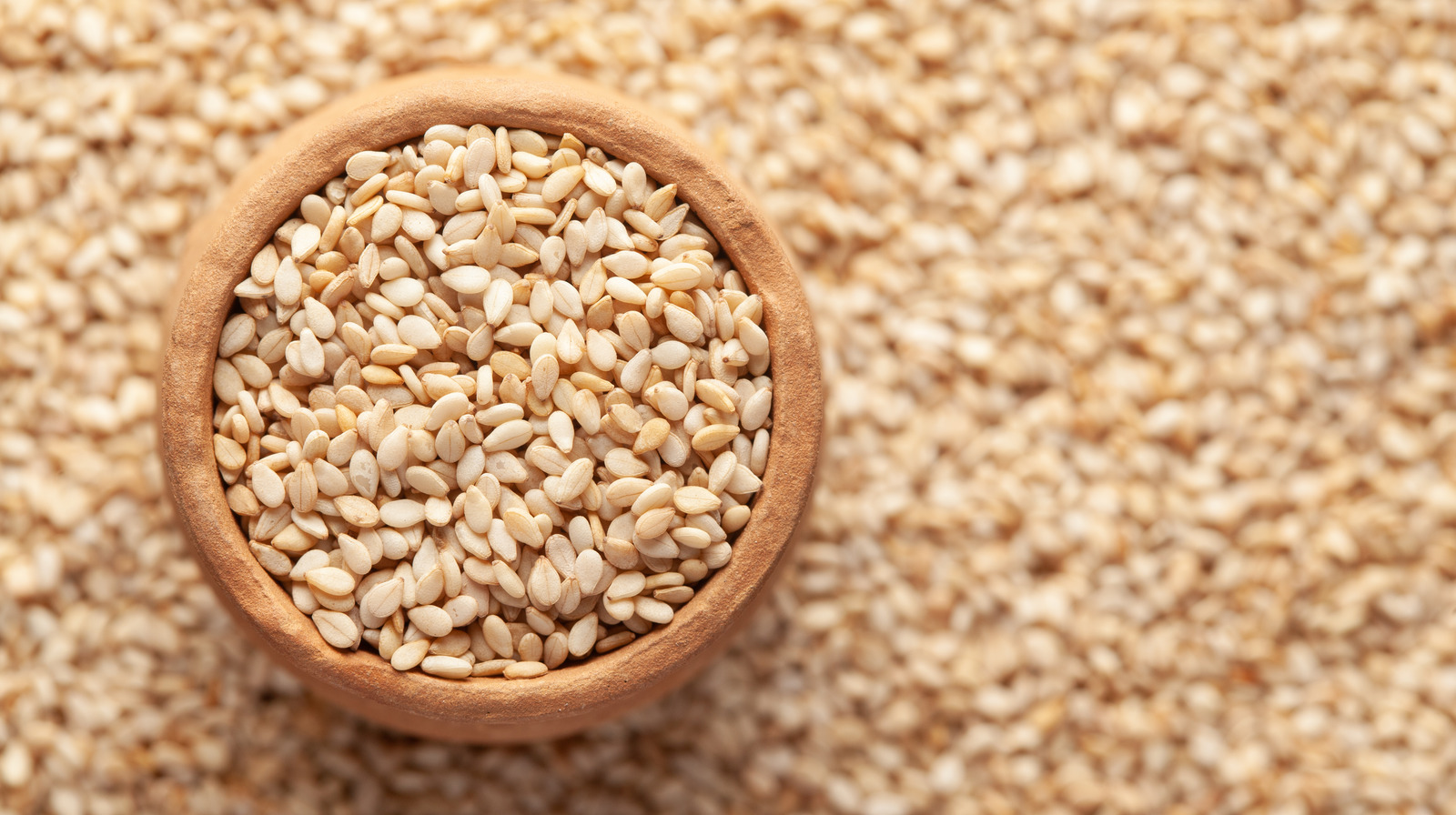
Edgar Vhera -Specialist Writer
Sesame stakeholders are today gathered in Harare for an indaba to showcase the crop’s growth trajectory, lay the groundwork for a structured marketing system and explore financing options for production.
The indaba organised by the Agricultural Marketing Authority (AMA) follows notable growth in sesame production and export earnings over the past three years.
The indaba has brought together key stakeholders such as Government officials, smallholder and commercial sesame farmers, agro-processors and aggregators, seed companies and agri-research institutions, input suppliers and agri-tech providers, financial institutions and microfinance players.
The indaba is targeted at encouraging local seed houses and research institutions to invest in sesame variety development and multiplication.
Stakeholders are also expected to deliberate on existing international and regional markets, including buyer requirements, quality standards and establishing ways of preventing illegal export of sesame.
Participants will explore financing models suitable for sesame farmers and aggregators, promote value addition and processing opportunities to enhance domestic economic returns.
Sesame (Sesamum indicum) is rapidly gaining recognition as one of Zimbabwe’s promising export and cash crops, offering immense potential for smallholder income growth, rural industrialisation and foreign currency generation.
The seeds are used in a variety of ways, primarily as a culinary ingredient to add flavour and texture to dishes, and as a source of nutrients and health benefits.
Sesame seeds can be eaten whole, ground, or roasted and are often used in baking, stir-fries, salads and various other recipes. Sesame oil is extracted from the seeds and used in cooking and some traditional remedies.