


 Sundaymail Editor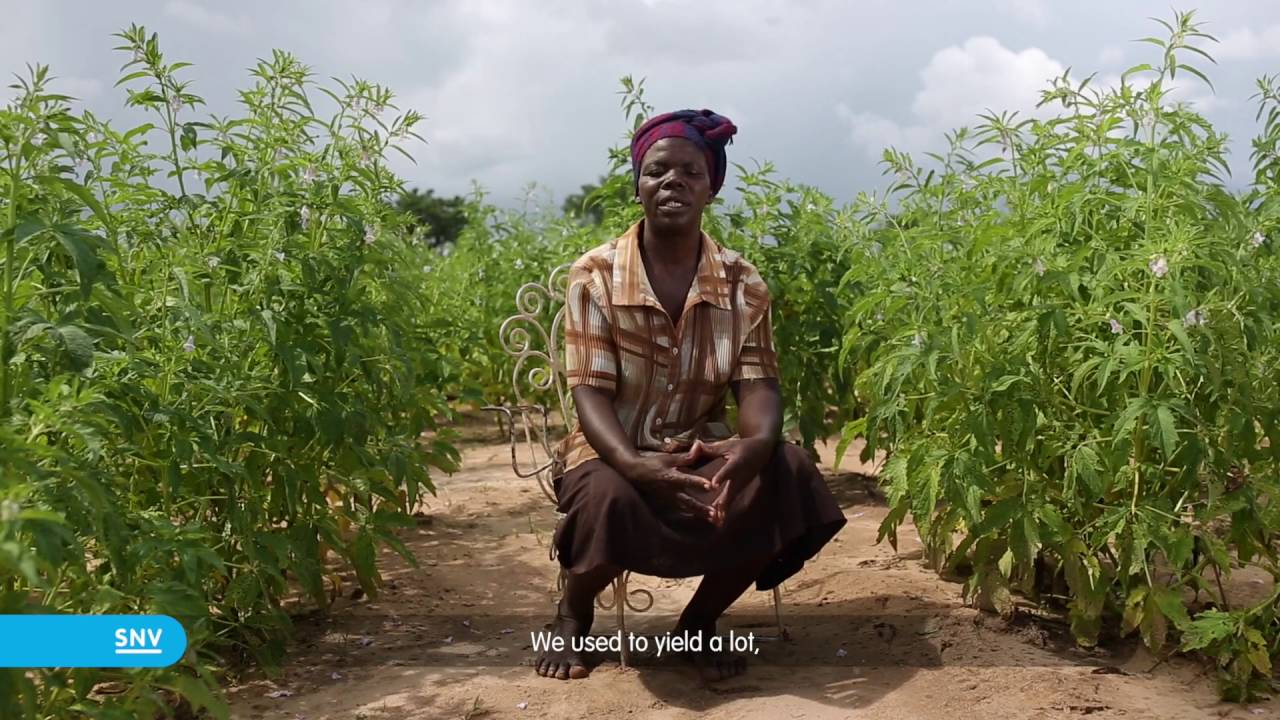
Word from the Market
Tina Nleya
Zimbabwe’s agriculture sector is at a pivotal moment, with the need to diversify and introduce more resilient and profitable crops becoming increasingly urgent.
One such crop is sesame, a highly valuable oilseed that thrives in dry regions with low rainfall.
With Zimbabwe’s climate becoming increasingly unpredictable, farmers and investors should seriously consider sesame as an alternative cash crop.
The Agricultural Marketing Authority (AMA) is taking crucial steps to regularise sesame farming and marketing, ensuring that Zimbabwe fully benefits from this promising crop.
Why sesame?
Sesame is well-suited for Zimbabwe’s dry regions, requiring minimal water once established.
This makes it an ideal choice for farmers looking to diversify and adapt to climate change.
Over the past few years, sesame production has increased significantly, with the area under the crop growing from 17 110 hectares in 2018/2019 to 71 990 hectares in 2023/2024.
This upward trend reflects farmers’ growing confidence in the crop’s potential.
Market and export potential
Sesame presents lucrative opportunities for both small-scale farmers and large-scale investors.
With proper agronomic practices, growers can achieve yields of up to 800 kilogrammes per hectare.
The current global market price for sesame ranges from US$1 500 to US$2 000 per tonne, making it a high-value crop with attractive returns.
Additionally, sesame has multiple uses beyond oil production, including its application in pharmaceuticals, cosmetics and livestock feed, ensuring steady market
demand.
Sesame is in high demand internationally, particularly in Asia, the Middle East and Europe, where it is used in food products, oils and cosmetics.
Zimbabwean sesame is valued for its high oil content and organic growing conditions.
Export figures show steady growth, with peak shipments recorded in June (406 500kg), July (335 000kg) and August (413 000kg) last year.
Domestically, sesame oil is gaining popularity as a healthier alternative to traditional cooking oils, while food processors are increasingly incorporating sesame into local products.
With the right investments,
Zimbabwe can expand its value chain to include processed products such as tahini, sesame snacks and sesame oil, which offer higher profit
margins.
Smuggling concerns
Despite its potential, sesame farming in Zimbabwe remains largely unregulated.
This has led to rampant smuggling of sesame out of the country, resulting in significant revenue losses for the country.
Smuggling not only deprives farmers of fair pricing mechanisms but also limits the Government’s ability to support and effectively develop the sub-sector.
AMA is currently working on policies to regulate sesame farming, from production to marketing.
By ensuring that farmers register and sell their produce through formal channels, AMA seeks to create a structured market that will benefit both farmers and the economy at large.
Regulation will also open doors for structured contract farming, where growers receive inputs and guaranteed markets in exchange for adherence to agreed production and supply terms.
The role of AMA in sesame development
AMA is spearheading efforts to formalise the sesame value chain through the following key initiatives:
- Registration and licensing: Farmers, merchants and processors will be required to register with AMA, ensuring traceability and market transparency.
- Market linkages: AMA is engaging buyers, exporters and processors to create direct market opportunities for sesame farmers.
- Training and extension services: Collaborating with experts to educate farmers on best sesame farming practices, from land preparation to post-harvest handling.
- Monitoring and compliance: Preventing side marketing and illegal exports by enforcing compliance measures and ensuring fair trade practices.
Zimbabwe stands on the cusp of an agricultural revolution, and sesame is a crop that can drive economic growth, food security and rural development.
By embracing sesame farming, growers can reduce their dependence on water-intensive crops, enhance their earnings and contribute to the country’s agricultural gross domestic product.
Investors, too, should seize the opportunity to establish sesame processing plants, positioning Zimbabwe as a key player in regional and international sesame markets.
AMA remains committed to supporting sesame farmers through regulatory frameworks, training and market facilitation.
Farmers and investors are encouraged to engage with AMA for guidance on registration and market access.
By working together, we can transform Zimbabwe into a leading sesame producer, ensuring sustainable agricultural development for future generations.
Let us make sesame farming a success story for Zimbabwe.
Word From The Market is a column produced by AMA to promote market-driven production. For more information on how to get started with sesame farming, you can contact AMA’s agribusiness department on +263242308662 or email [email protected]/[email protected]



 Online Reporter