Online Reporter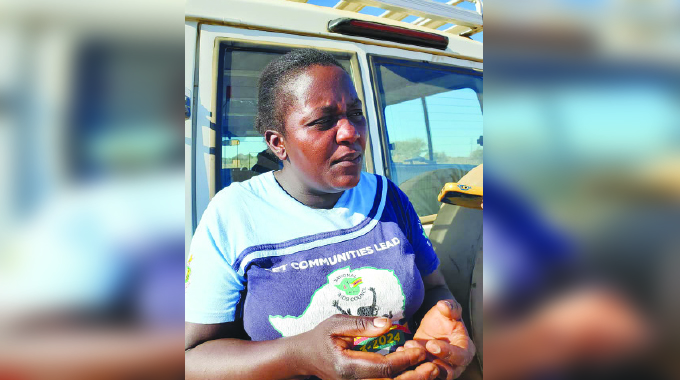
Robin Muchetu in Tsholotsho
A GROWING humanitarian crisis in Nyamandlovu’s Bantu Village, Umguza District, is threatening to destroy a generation of girls who are now trading sex for water.
The community, crippled by drought and poverty, has just one distant water source and young women are being exploited along the gruelling journey to Gwayi River.
In the dry heart of Ward 14, the line between survival and sexual abuse has all but disappeared. With no borehole nearby, adolescent girls and young women walk for several kilometres down a steep slope, buckets in hand. But it’s what happens on the return trip that has sparked alarm.
Local men, taking advantage of the situation, offer to help push wheelbarrows loaded with water in exchange for sex. Often unprotected. The result is a sharp rise in teenage pregnancies and new HIV infections in Umguza.
According to the 2023 National Aids Council (NAC) HIV Estimates Report, Umguza now has the highest HIV incidence rate in Matabeleland North at 0,28. Tsholotsho follows closely at 0,27.
The report links the high rates to risky behaviour among vulnerable populations, including young women in drought-hit areas.
Nothando Tshuma, a 21-year-old school dropout and survivor of early marriage, knows the reality all too well.
“Men with wheelbarrows wait for us on the road to the river,” she said. “They help carry our buckets, and we give them sex. Sometimes it’s the only way to get water home. I can’t carry more than one 20-litre bucket. They can carry five. We’re tired and desperate.”
Nothando says poverty is the root of the crisis. “There’s so much hunger here. When you’re hungry and dirty, and someone offers help, you take it — even if the cost is your body.”
Mentor and community leader Saziso Mlalazi from the Sista2Sista programme says the issue goes beyond water. It’s about broken systems.
“These girls don’t finish school. Some only reach Grade 5 or 7. They don’t know how HIV spreads. They don’t understand the risks of unprotected sex. They’re just trying to survive.”
She says a borehole in the centre of the village could change everything.
“With water close by, girls wouldn’t have to make that dangerous journey. They could start small gardens or rear chickens. They’d stay busy, earn money and avoid these risky exchanges.”
Saziso also warns that many girls are stuck in “marriages of survival,” cohabiting with older men for food, shelter and water.
This fuels intergenerational sex, teenage pregnancies and unknown HIV exposure.
Worsening the crisis is a local bar where young girls gather with older men. The result? Multiple partners, unknown paternity and untreated infections.
“Some girls don’t even know who fathered their children,” Saziso said. “Let alone their HIV status.”
Lucia Ncube, now 19, says the Sista2Sista programme saved her life.
“I started using drugs and sleeping around at 13. I had a baby, but I don’t know who the father is. I was drunk most of the time. This programme helped me change. I’ve stopped drinking and I’m more responsible now.”
Matabeleland North has Zimbabwe’s second-highest HIV prevalence at 14,4 percent. Matabeleland South tops the list at 17,3 percent. The national average sits at 10,4 percent. And the worst affected? Girls and young women aged 10 to 24.
As the crisis deepens, residents say the message is simple; give us water before we lose more daughters.