Chronicle Editor
Sukulwenkosi Dube-Matutu, Chronicle Reporter
SEX workers continue to face discrimination at public health facilities which has made it difficult for them to access sexual reproductive health services.
The sex workers seek health services such as HIV/Aids testing, Anti-Retroviral Treatment (ART), Pre-Exposure Prophylaxis (PREP), cervical cancer screening among others.
Sex workers have found solace in clinics that offer services to key population groups such as Bambanani New Start Centre in the city centre and a few public health centres whose staff have been trained on how to handle key population groups.
These facilities are however limited and organisations that advocate for the rights of these key target groups are making efforts to ensure that health staff in more facilities receive training on how to handle key target groups.
The clinics have also been helpful to sexually active adolescents and men who have sex with men.
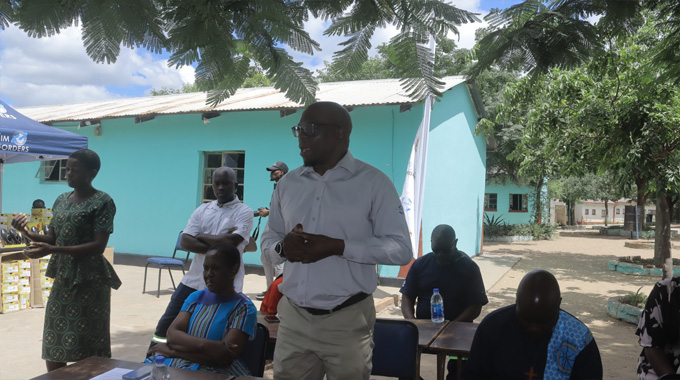
Sex workers who gave testimonials during a visit by the United States Acting Ambassador to Zimbabwe, Mr Thomas Hastings at Bambanani New Start Centre last Friday said it was difficult for them to go to public health facilities because of the discrimination they get from health staff.
They said they have benefited a lot from clinics that target key population groups.
“I’m a sex worker and I have faced a lot of challenges when getting services from public health centres. Some of the staff there when they learn that I’m a sex worker immediately change their attitude towards me. Some even go on to rebuke and judge me for my actions. Some feel that I will be doing what I do on purpose knowing that I can get sexual reproductive health services,” said a sex worker who preferred anonymity.
She said most of this humiliation happens in the full view of members of the public.
Another sex worker who also preferred anonymity said she found it very difficult to go to a public health facility because of discrimination. She said she gets her services from Bambanani New Start Centre and she was pleased with their service.
“At Bambanani Clinic I haven’t faced any discrimination as I have been treated with respect and dignity. I’m HIV positive and I get various services from the clinic on a regular basis. I’m able to get cervical cancer screening, STI screening and regular viral load checks. Despite my status I’m able to continue working so that I can fend for my children and remain fit,” she said.
In an interview Sexual Rights Centre (SRC) programmes manager, Mr Mojalifa Ndlovu said a lot of work was being done to try and sensitise health workers to understand health needs of key population groups such as sex workers. He said negative attitudes to sex workers become a barrier for them to access health services.
“Some health workers just see sex workers as people who just want to have sex and contract infections. In institutions like Bambanani New Start Centre sex workers are put at the centre of the intervention which is a model we want to see being replicated in other public facilities. These institutions trace individual clients when they miss out on collecting their medication,” he said.
Mr Ndlovu said his organisation working with various partners has rolled out training and sensitisation programmes for health staff. He said SRC working with the National Aids Council (NAC) and the Ministry of Health and Child Care facilitated training of health personnel in seven public health facilities which were now offering health services to key target population.
He said the available facilities were limited. Mr Ndlovu said their target was to train health care workers at all public facilities. He said the desire was for all key target population groups to be able to access non discriminatory health care services from health facilities near them.
Population Solutions for Health project director, Dr Brian Maponga said they offer different services at Bambanani New Start Centre which specifically focuses on marginalised populations who wouldn’t ordinarily go to public clinics because of their social standing such as sex workers or men who have sexual intercourse with other men.
He said some of them cannot afford to go to public clinics.
Dr Maponga said they offer HIV testing, ART treatment, HIV prevention services such as PREP, Sexually Transmitted Infections (STI) screening and treatment, Voluntary Medical Male Circumcision for males’ older than 15 years. He said they also offer cervical cancer screening and family planning services for women.
“Women who are living with HIV who are on treatment require regular screening of cervical cancer as they are at high risk. We also offer services to adolescents and young women. There are those females who are young and sexually active putting them at risk of getting HIV or unwanted pregnancies. They find it easier to come here,” said Dr Maponga.
He said their staff had been trained on how to be key population friendly to make the client comfortable and not judged. —@DubeMatutu


 Online Reporter