


 Online Reporter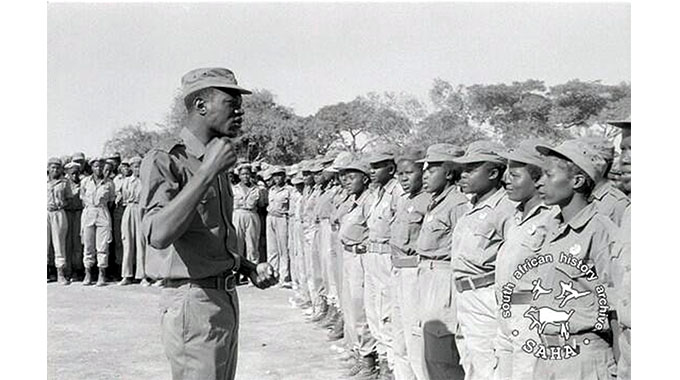
Sidumisile Mabena
For decades after Zimbabwe’s liberation struggle, a number of former Zipra operatives have lived under a persistent cloud of suspicion—accused, often without substantiated evidence, of concealing arms caches allegedly left over from the war of independence.
These suspicions, which date back to the uneasy post-independence period, have resurfaced periodically, affecting not only the ex-combatants themselves but also their families, many of whom say they have endured years of questioning, surveillance and, at times, intimidation.
Zipra, the military wing of Zapu, was one of the two main liberation forces that fought against colonial rule. Following independence in 1980, efforts were made to integrate former fighters into a unified national army. However, mistrust between former combatants from different liberation movements lingered, particularly in the early years of independence.
Throughout the 1980s and beyond, allegations of hidden arms caches—believed to have been stockpiled during the war—became a recurring theme. Security forces occasionally launched operations targeting former Zipra members, driven by intelligence claims that weapons remained concealed in various parts of the country.
Many ex-combatants have consistently denied these allegations, arguing that such claims were either exaggerated or used as a pretext to harass individuals perceived to be politically aligned with opposition elements at different points in the country’s history.
One of the cases often cited in discussions around this issue involves the family of the late former senior army officer, Lieutenant Colonel David Donatus Press. A respected figure who also served as ZANU-PF treasurer for Matabeleland South Province, Lt-Col Press died in 2005 at Brunapeg Hospital in Mangwe District.
According to family sources and community accounts, his widow, Ms Sitokozile Sibanda, reportedly continued to face repeated questioning from authorities after his death. She was allegedly pressured to disclose the whereabouts of supposed arms caches believed to have been hidden by her late husband—claims the family has maintained were unfounded.
Relatives say the continued scrutiny brought emotional strain, as the family struggled to reconcile their loss with ongoing allegations tied to a past they insist had long been settled.
Similar sentiments have been echoed by other former Zipra members and their families across Matabeleland and parts of the Midlands, who argue that the issue of alleged hidden arms has, over the years, cast a long shadow over their lives.
Some former fighters have recounted instances where they were summoned for questioning or subjected to searches based on tips that rarely yielded any discoveries. Others say the suspicion has contributed to stigma within their communities, affecting livelihoods and social standing.
Security authorities, on the other hand, have historically maintained that any investigations into arms caches were carried out in the interest of national security, particularly in the years immediately following independence when concerns over stability were high.
Analysts note that the persistence of such allegations reflects unresolved tensions from Zimbabwe’s early post-independence period. While the Unity Accord of 1987 marked a significant step towards national reconciliation, some of the underlying mistrust, particularly around security matters, has proven more difficult to fully lay to rest.
In recent years, there have been growing calls from civic groups and historians for a more transparent and reconciliatory approach to addressing such historical grievances. They argue that acknowledging past excesses, where they occurred, and separating verified security concerns from unproven allegations could help bring closure to affected families.
For many former Zipra operatives and their relatives, however, the issue is deeply personal. Beyond politics and history, they speak of a desire for dignity, recognition of their role in the liberation struggle, and an end to suspicions they say have followed them long after the war ended.
As Zimbabwe continues to reflect on its past and chart its future, the experiences of these individuals serve as a reminder that the legacies of liberation are not only found in history books, but also in the lived realities of those who fought and the families they left behind.


