admin
adminterminates, some leaders, or through them their party, will probably have delisted themselves from the hearts of voters by the desultory manner in which they ply their political trade.
It is no exaggeration to suggest that the contradictions that these people have brought to bear on the political marriage of convenience must have many Zimbabweans wondering whether the revolution that brought about independence and freedom 30 years ago is beating a retreat under mounting pressure from contemporary imperialism which seems to have a stronghold on some government leaders.
These are the people for whom the minds not of Zimbabweans but of western governments have become points of constant pilgrimages on how to execute their portfolios and in the process influence the entire government and the people of Zimbabwe as a whole. There is simply no shared vision on some critical issues among the parties to the coalition government – a serious condition that might have rendered the Government a lame duck were it not for the revolutionary spirit of Zanu-PF which has refused to be subdued by reactionary forces that are its strange bed-follows. To be sure, political violence, the agrarian reform programme and indigenisation are the political issues where some political careers will come to grief unless these people realise that the revolution whose prosecution cost many precious lives will remain irreversible as long as the history of the armed struggle is immortalised in both the printed word and on people’s minds.
A review of the utterances of some of the people in Government and the violence spawned as a result for instance, can only point to a lack of divine leadership among the present crop of creatures at the top of Zimbabwean society.
There is no goodwill in mobilising supporters to gain the upper hand over political rivals through violence, or in holding the masses hostage to starvation by denying them land, over which blood was spilt to grow more and more food for the nation.
We have a minister in Government whose party has spoken against land reform and who appears himself vehemently opposed to any stately financial support for agriculture in this country, apparently in compliance with his party’s policy.
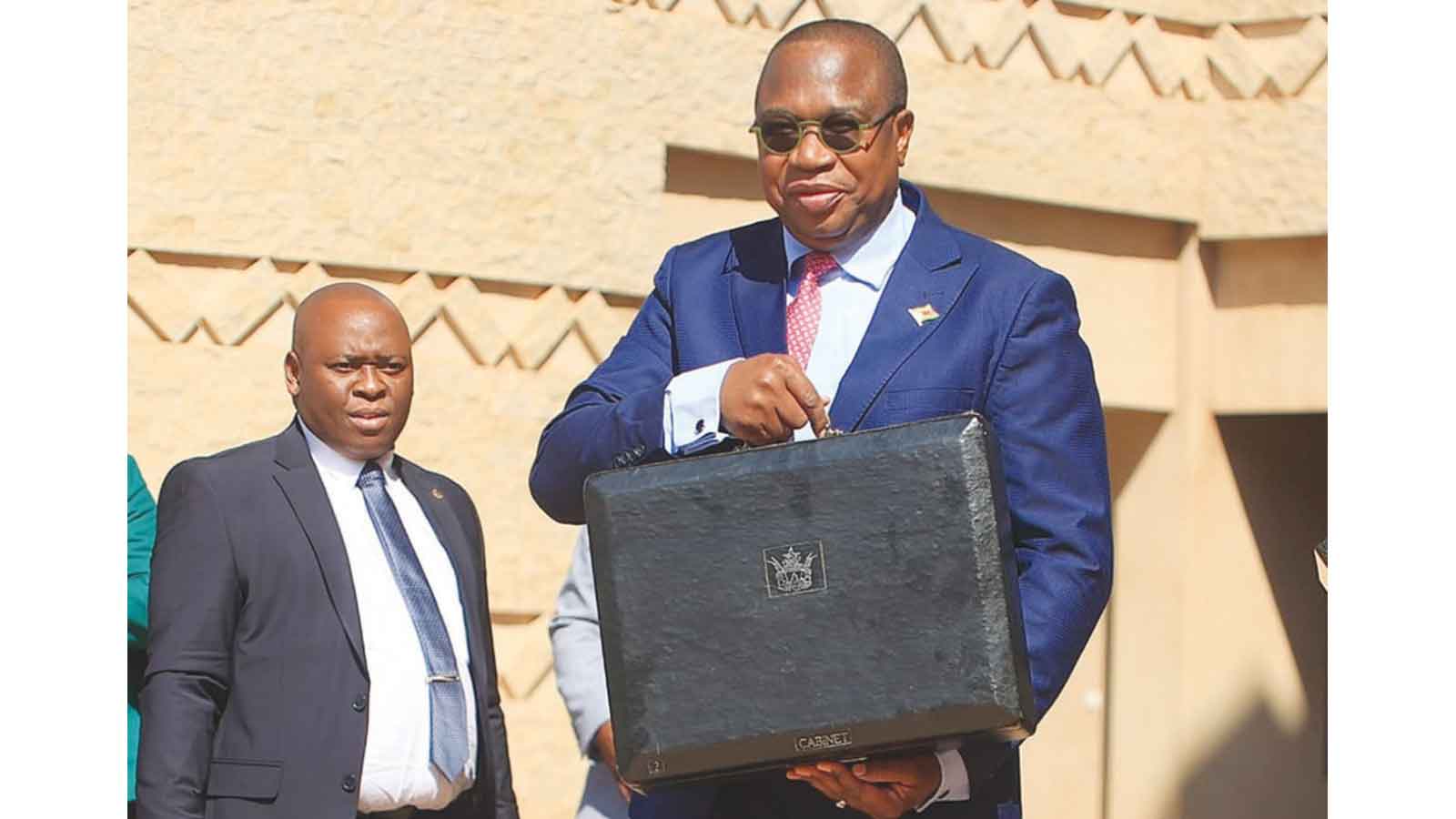
As a result, President Mugabe – and thanks to his visionary leadership informed by the revolution he led to free this country – has had to intervene with a special inputs support scheme covering a wide range of food and cash crops, thereby putting a smile back on the forlorn faces of thousands of farmers for whom Finance Minister Tendai Biti’s reluctance to finance had rendered their future grim.
Let us suppose that agriculture had collapsed for lack of requisite inputs, would Cabinet voice collective responsibility for the demise which the farmers would clearly blame on the Finance Minister’s failure to throw them a rescue rope through his budget for this and next year.
But why do some Cabinet Ministers in the inclusive government seem more powerful than Cabinet itself as though they are a law unto themselves? Indeed, why is Cabinet not seen by the wider public to read the riot act to such individual portfolio – holders, or show them the exit rather than allow them to bring the whole government into disrepute by not supporting life-and-death, national sectors such as agriculture, for instance?
Now calls have been made for under-performing ministers to be recalled by their party from Government. It is, however, difficult to see how the recall can be effected since the ministers concerned appear to act out a script of the party that sent them into Government – which suggests that the gladiators must use the double-edged swords that they smuggled into the political theatre to disable rival party policies of behalf of their organisation. This suggests that only voters will purge a people of such political tragedies with a short-term vision of their country’s future.
l stephen Mpofu is the former editor of Chronicle.
Minister Biti is on record as saying as that no government anywhere supports agriculture through subsidies, for example. One is wont to suspect that the minister has not done his research or that he knows the truth but somehow hides behind his finger for reasons best known to himself and which are perhaps consistent with his MDC-T party which does not support land acquisition and reallocation along with indigenisation and empowerment under which rural areas are set to shared their Cinderella label.
Surely, agricultural institutions next door to his office in Harare, the Food and Agriculture Organisation and the World Food Programme are not a combined visibility aid to Zimbabwe from the United Nations. They are there to help the government craft people-friendly policies, and it behooves on patriotic and dedicated Zimbabwean leaders to tap into the rich repertoire of knowledge that the UN organisations boast for the benefit our country.
Or is Minister Biti such a conscientious student of the failed economic structural adjustment programme introduced to Zimbabwe in the 1990s by the International Monetary Fund and the World Bank that he remains attached to the scheme’s harsh conditionalities which included cuts in subsidies?
The truth is, it is important financially not for the Zimbabwean government, but for other governments elsewhere as well, to support large-scale production of food and other crops to achieve self – sufficiency and smile all the way to the bank, while keeping prices the commodities low.
If, for example, more maize is grown locally the price of a morsel of the staple is kept manageable for all consumers. Maize imported from abroad, especially overseas is often out of the reach of people affected by crop failure due either to severe drought or a lack of financial back-up by government.
But even if no other government subsidised agriculture; that should be no reason to persuade Zimbabwe not to do so itself since those countries may not have embarked on land-reform which remains unique to this country, requiring measures that are unique to sustain.
Moreover financial support rendered to agriculture will not make the farming industries a success and the farmers smile all the way to the bank; the aggregate impact will be economic advancement for Zimbabwe, as also are likely to be the effects of the indigenisation and empowerment for peasants.
This will come about as mining companies operating in rural areas share out part of their revenue for the development of communities in which they are located.
This happens at a time when “reform” has become the most powerful buzzword even in countries with imperial governments that some Zimbabwe political parties blindly support.


 Online Reporter