Online Reporter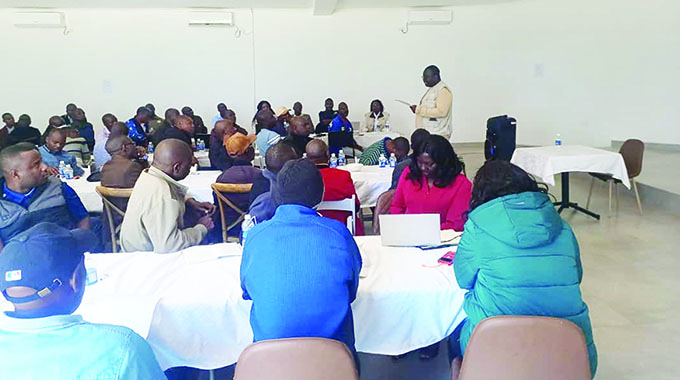
Patrick Chitumba, [email protected]
WHEN *Mr Luke Nyoni walked down the aisle at the age of 26, he thought he was beginning a blissful journey filled with all things beautiful.
Consistent with societal expectations, he thought Mrs Nyoni’s stomach would have started showing a bump a few months down the line.
He thought within a year, they would be helping each other with their baby’s diapers.
But that was not to be.
“When I got married, I assumed that within a short space of time, I would be holding our first son or daughter in my arms. But one year turned into three years, and before we knew it, we had hit a decade of trying for a baby without any success,” he said.
Mr Nyoni said he was depressed as other men started calling him derogatory names such as ngomwa or saying akarasa demo because they were failing to conceive.
He said unknown to him, he started having mental health issues.
Mr Nyoni was one of the brave men who shared their testimonies during a Zimpapers Men’s Indaba held in Kwekwe last Friday.
The highly subscribed event highlighted the urgent need for men to open up about their challenges and seek help before facing mental health crises, depression, or suicide.
The gathering was a direct call to action, encouraging a culture of vulnerability and support among men.
Organised by Zimpapers, the country’s largest digitally integrated media group, the event covered a wide range of topics, including retirement planning, financial literacy, marriage, family and crucially, mental and physical health.
Mr Nyoni narrated: “We endured 14 years of trying and failing to have children. My wife asked that we consult medical practitioners, but with male ego hanging over me, I refused. I was afraid of finding out that I could have a low sperm count. Society said I was ngomwa, I fire blanks, ndakarasa demo and it was traumatising.
“I suffered mental health issues alone, in silence. In such circumstances, some men start alcohol and substance abuse, leading to far-damaging consequences.”
Mr Nyoni said they decided to seek medical assistance in South Africa when he was 46. An expensive procedure was done on his wife after which she conceived their first child.
“When I walk with my son in town, people who see us always assume that he is my grandson but we don’t care. I shared this testimony with you so that others can get assistance,” he said.
Midlands Provincial Mental Health Officer Sister Sammie Chikwinya said it is high time society unites in supporting men from home setups into the community.
“We acknowledge that there are issues around men created by the over-support given to the girl child. For ages, men have not been taken into account like women. We think we have created a monster, so let us try to moderate,” she said.
Sister Chikwinya said according to the second-quarter report, in the Midlands Province, substance abuse was higher among men, with 151 cases compared to 126 women.

Alcohol abuse was also higher among men, with 211 cases compared to 31 women.
More men are suffering from psychosis, with 312 cases compared to 52 women.
“In Zimbabwe, we have higher suicide rates among men than women. Women often attempt to kill themselves as a cry for help. But when men attempt suicide, the success rate is very high because they would have reached a point of no return.
“As a country, we are saying let us work together because there is a challenge. When we talk about gender, we are not just talking about women. Men find it taboo to speak out compared to women due to stigma,” she said.
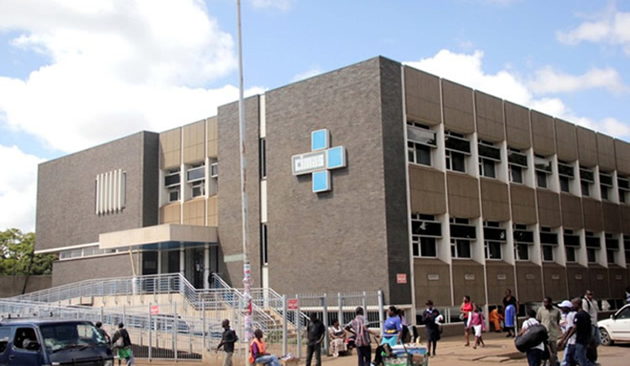
Dr Terence Nhunzvi from Cimas reiterated Sister Chikwinya’s point saying,
“Men are more likely to succeed in committing suicide. Women do it as a cry for help. Men act on impulse. Men show fewer signs of intention to commit suicide.
“Signs include withdrawing from people or functions, constant fatigue and sadness, struggling to sleep, and using alcohol or drugs to cope. Without either of the two, you fail to cope.”
Dr Nhunzvi called on men to take care of their bodies and minds by working out, reading and meditating.
“We are our brothers’ keepers; let’s be on the lookout to see if someone is in trouble or facing some issues that may cause mental health problems. We encourage open conversations about life issues.
“Mental health is a medical condition, and the earlier one receives treatment, the higher the chances of managing the condition,” he said.
Pastor Eugene Frost from the Church of the Nazarene Raylands Gweru said it is unfortunate that a larger percentage of men are forced to quit church when faced with challenges.
“It is sad the church does not give them the voice or time to air their challenges. Some accuse pastors of using their problems to create sermons. The church should be a safe place,” he said.
Mrs Wilmah Mahobele, FBC Gweru branch manager encouraged participants to prepare for retirement while they are still working so that they have a good life after retirement.
She said at FBC, they have different packages where people can benefit from in terms of investments for the future.
“As a financial person, I would advise you to remove that bacon and eggs from your breakfast, for example, and buy peanuts to sell. If your wife or small house was plating a weave for US$40 every two weeks, sit down with them and plan to start something that brings in money.
“If you have US$250 and a side hustle, let’s have control over the people surrounding us. Let us be realistic so that the money increases in value. We need skills and discipline,” she said.
Zimpapers public relations manager, Ms Pauline Matanda commended participants for taking time off their busy schedules to meet and discuss mental health issues affecting men.
“The event was a success thanks to our partners who include Health Link, Mat Law Matsikidze Attorneys at Law, Steel Makers, Kwekwe Polytechnic, Caleb Mucheche Legal Partners, Cimas, ZETDC and FBC Health,” she said.
*Not his real name