

 daniel chigunwe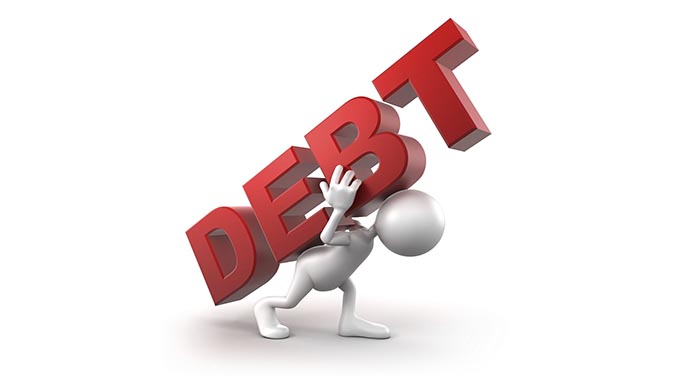
Zimbabwe is a favoured nation if we look positively but can be the most hated nation if we look at it negatively. Why Zimbabwe is one of the few countries struggling with debt which was inherited way before the Independence of Zimbabwe? Similarly, why Zimbabwe is one of the countries that has nations that love it and is willing to give a hand even when we owe them nothing? One Zimbabwean economic move has two extremes ether fully supported or fully denied by agent provocateurs and agents of ‘change’ and destruction. Help me understand- do we have supportive citizens or detractors. It is now a question of nationhood, patriotism, solidarity and support. We are in this together the motto for COVID-19, we are in this together to bring the economy and better Zimbabwean livelihoods should be our motto from today till we are past the debt cloud.
Let me help someone to understand why we either need to keep Robbing Peter to Pay Paul or device full home grown solutions to Zimbabwe’s debt. The issue of Zimbabwe debt is not a today’s story. Our debt is inherent, it has been there ever since the Smith regime. The history of Zimbabwe debt better explains why we need to start questioning if Zimbabwe is favoured or hated. We now stand at a USD$10 billion debt but it started with USD$700 million after the aftermath of the Rhodesian bush war which was used by Ian Smith and it was a personal quest to bypass UN embargo on weapon purchases for nationalist liberation struggle. Then are we saying that can service a debt that was acquired for war? If we really understand that loans are for development and infrastructure development why would we rub each backs and support a program that we know perfectly well is not for development and still nail it on the country to bring back the debt. There is still questions on legitimacy of inherited Rhodesian debts, Robert Mugabe at one time gave in to pressure from international community to take in this debt in return for a USD2 billion for post war construction (lets also address the issue of conditions later). Debt continuously grew due to draught and other national problems. It so apparent that in the 1990s Zimbabwe opted for a bailout of loans from the IMF and World Bank in order to keep repaying international debts. Let’s look at some of the internal issue that made Zimbabwe incapacitated to pay debt:
- The 1997 war veterans grants and pensions of over ZWL$50000 which contributed to 3% of the GDP and they could not balance with paying debt
- The Zimbabwe dollar crushed and the 72% of the stock market tumbled by 46% in 2008
- The 1998 food riots led the then government to default debt payment.
- DRC war of 1998 costed Zimbabwe USD$3 million and worsened the debt
- Other factors like the Increased Wage bill and social services, inflation and the COVID 19 pandemic
The list can go on but the current debt now stands at USD10 Billion (due to increased interests but was originally at USD$4 billion.
However, Zimbabwe like any other African country owe Bretton Woods Institutions and other Paris Club but it has been limited its capacity to get external development finance. If these International Finance Institutions (IFIs) were able to clear and let go of the debt like what they did to Sudan or is it now a matter of keeping it alive until it is sustainable. The IMF spokesperson in Zimbabwe was clear that Zimbabwe need to take a clear path to clearing external arrears if it would ever require IMF financing and highlighted “the need to implement policy and structural reforms to restore fiscal sustainability.” Now it can only lend us money on the grounds of ‘considering it sustainable and restructuring debt’. Being completely economic and honest debt is never sustainable because it consistently speaks to get addressed or serviced and at that particular time there will be a host of other things to address to like the COVID 19 Pandemic- I wish not to comment on their refusal to support a COVID -19 RELIEF AID, it speaks on its own if Zimbabwe is favoured or hated because their argument ‘is if we give you aid it will be enough to clear the debt’, so plainly Zimbabwe shouldn’t be able to clear it.
In as much as we have cleared USD$107.9 Million debt owed to IMF in 2016, Zimbabwe still has arrears to external multilateral development institutions- the World Bank, AfDB and European Investment Bank which claim they are pro development. Debt statistics stand at 44% to PARIS Club, 31% multilateral credits, 20 % nonpartisan credits and 5% to bi-lateral credits So then are we going somewhere if IMF still prevent us from borrowing from them. Our government did a noble thing and trying to make ends meet by compensating white farmers that were displaced by the Fast Track Land Reform Programme in 2000s under the Global Compensation agreement but it has increased its debt. The country still has to borrow these funds and issue a long term debt instrument and this will further hamper the government’s efforts to repay debts, seek out new credit lines or negotiate debt rescheduling. Let’s go back to the drawing board- who then is affecting human rights to develop more, the government Or IFIs; clearly if they refuse to offer more loans to develop and clear debt without necessarily affecting social services. Excessive external debt burdens or have adverse impact on realization of human rights and development in countries for, there are two main related ways; 1. Diversion of resources and 2. Policy conditionality’s attached international debt relief mechanisms. To comment on 2; the IMF is of the suggestion of structural reforms that include; decrease in tax revenues; liberalization of the economy; coordinating fiscal, foreign exchange and monetary policies; implement structural reforms aimed at reducing corruption and improving business and reducing public expenditure which is line with the government’s policy “Austerity for Prosperity”. On the other hand these reforms have negative effects that include limited access to public welfare facilities, increased unemployment due to privatization, wage inequality and poverty, less government incomes and more importantly, undermine country ownership of national development strategies. The United Nations Conference on Trade and Development (UNCTAD) talks of the right to develop and choose strategies, design, implement and take lead in both formulation and implementation. Zimbabwe cannot lose control of their own natural resources or fail to assure public service and diversion of resources to debt and lead to violations of their right to develop.
Notably, according to a 2005 New Economic Foundation study 20 countries spent 20% of their budget to debt servicing and neglecting other social responsibilities. Tangible examples include Lebanon which spent 52% on debt servicing against 23.1% on education and health and Jamaica spent 23% on debt against 11.6% on education and health. Do we really want Zimbabwe to get there, because heavy debt poses major obstacles for some low income countries like Zimbabwe, it increases inequality, poverty and reduces government expenditure and further lead to failure to achieve MDGS on poverty, health, partnership and development. The effects of debt on the economy include; lower national economic benefits, lower national savings, and diminished tax revenues, demise of social welfare, slower economic growth, trade deficit, limited investment opportunities, poverty and unemployment.
Zimbabwe has 3 options to chart the way forward. The first being, continue to advocate for debt cancelling, the ZIMCODD has already advocated, the Minister of Finance and Economic Development Professor Mthuli Ncube in April 2020 asked for a debt relief and USD2.2 billion bridging loan to clear these debts but did not receive favourable responses. Robbing peter to Pay Paul means we will borrow one financial institution develop and invest and pay debt to the other institution but that window is already closed save for AFREXIMBANK which is making strides to bail out Zimbabwe. It gave USD$15 million as donation in March 2019 and USD$250 million in July 2020. Which can still get other external channels to finance us in debt servicing. The home grown solution will be turning to domestic borrowing or internal borrowing. We have individuals or private companies that can finance development and investing in business to service these debts. It will be a patriotic and collective effort to manage our debt it has been talked about for far too long. Zimbabwe is already implementing a TSP anchored on IMF’s article IV on consultations and technical assistance. The TSP has met indicators with fiscal and current account deficits have been eradicated. The treasury bills now on budget and public sector wage bill now on 50% and total revenues now on 92%. We now have something positive to work with capable people of Zimbabwe, (mildly poetic) from each according to his or ability, from each according to his needs state, for what is a golden slate that carries the hold edict, we have individuals that can lend the government money or big private companies that can finance this move without necessarily exposing the country to exchange risk and crowding out private sector. With our re-engagement agenda, according to African Forum and Network on debt and development (AFRODAD) high debt service requirement inhibits investments and FDIs so let us work on it. Treasury estimates 7.4% economic growth and inflation will drop by 15% by year end. Sound internal policies, support and donor support can resolve this debt overhang.
Abigail Vimbai Kaplin is a Masters student at University of Zimbabwe studying towards a Masters degree in International Trade and Diplomacy, she is motivational speaker, public speaker and has interests in trade, economics and politics and writes on her individual capacity.
She can be contacted on 0719189216 or email [email protected]


 Online Reporter