Patrick Chitumba, [email protected]
A community-led nursery in Zamazama Ward 12, Shurugwi District, Midlands Province, is spearheading efforts to reverse land degradation and combat desertification in the Runde Catchment area by nurturing both foreign and indigenous seedlings for afforestation.
Since its launch in 2023, members of Zamazama Community Nursery have grown more than 60 000 seedlings.
The initiative has already increased the area under trees and vegetation in a region that has long struggled with deforestation and soil erosion. The nursery is working through Government and its partners under the Global Environment Facility’s GEF7 project.
It is designed to deliver multiple benefits for the community. Members are gaining employment through nursery management, seedling production and transplanting activities. By supplying indigenous trees for afforestation, the project is reducing pressure on natural woodlands and helping to curb deforestation.
Fast-growing fodder and pasture species raised in the nursery are also being distributed to farmers to provide grazing for livestock during dry periods. Construction of the Zamazama Community Nursery has now reached 60 percent completion.
Highlighted during a recent Cabinet briefing, the project aims to improve hands-on training for farmers and youths on sustainable land management, boost eco-tourism potential in the Runde Catchment, and facilitate the industrialisation of the agricultural and environmental sector.
This was revealed by government departments such as Environmental Management Agency (EMA), Forestry Commission and the representatives of the nursery during the Desertification and Drought Day (DDD) held in Ward 12 on Monday.
The DDD, which is observed globally on 17 June, was established by the United Nations General Assembly to promote public awareness of international and national efforts to combat land degradation and mitigate the effects of drought.
The Zamazama initiative reflects Zimbabwe’s broader commitment under the United Nations Convention to Combat Desertification to achieve Land Degradation Neutrality through community-led action. The Zamazama nursery, chairperson Mr Fortune Taika said they are 72 members and currently have 60 000 indigenous tree seedlings under cultivation.
“Our aim as a group is to distribute all of them to local households and communities this year, with a target of 160 000 trees. We run a nutrition garden and we are currently nursing these trees that we aim to take to the community,” said Mr Taika.
“We also go into the forest to collect indigenous tree species. Since 2023, the group has received training in environmental conservation.”
Mr Taika said through the assistance from EMA, Forestry Commission and GEF7, they aim to establish agroforestry plots that combine trees with horticulture, set up nursery beds, and demarcate planting zones.
“To date, several hectares have been planted with trees, with activities now extending from Zone 4 up to Tongogara. Additional trees have been planted in the forest,” he said.
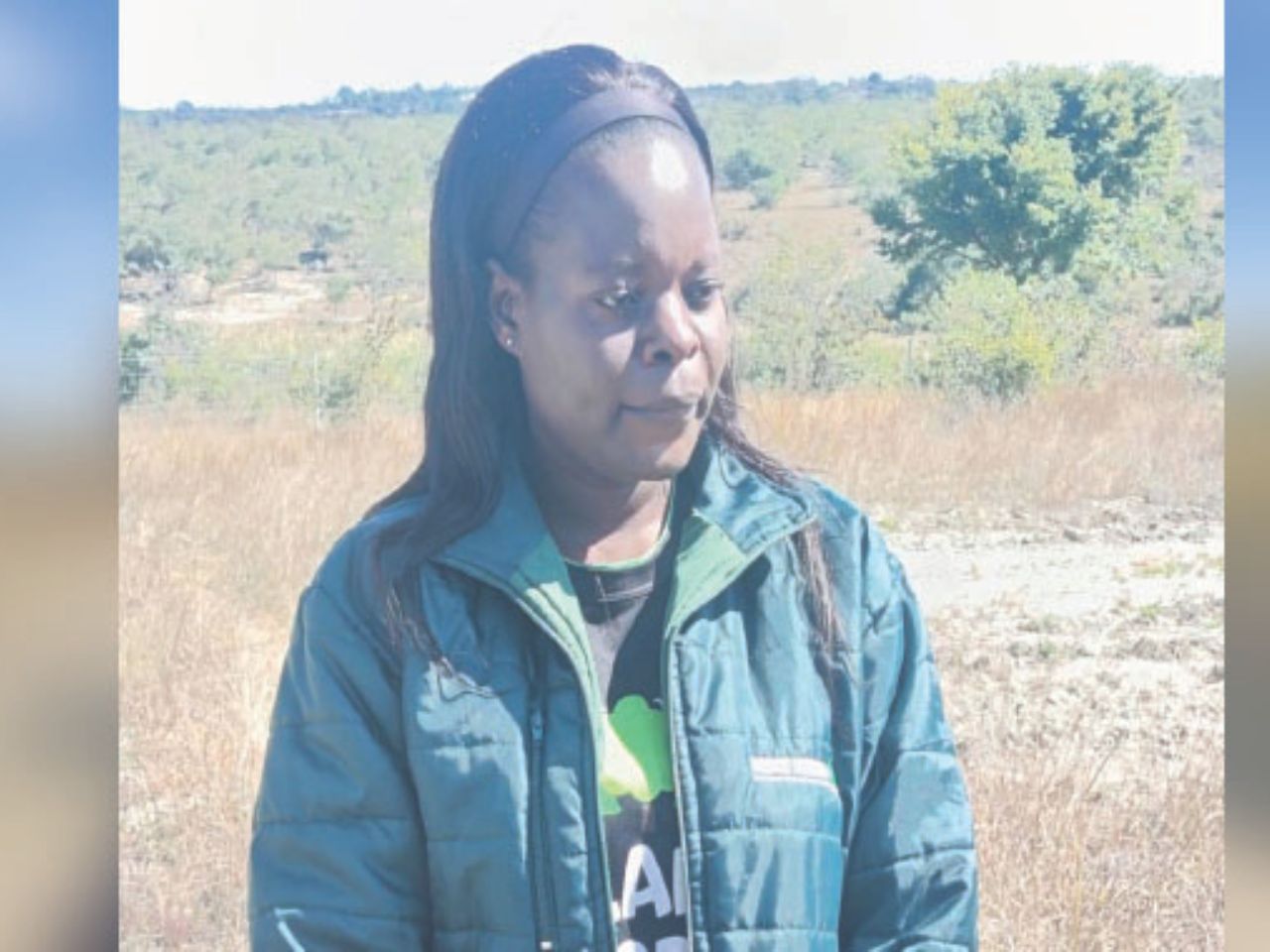
Vice chairman, Mrs Fungai Kanjani, said members have been equipped with firefighting skills and are protecting areas from illegal tree felling.
“We look out for gullies and put sand-filled sacks. Some trees are now windbreaks,” she said.
“The nursery began with a nutrition garden selling crops, before GEF7 support enabled them to expand tree production. Trees are life. They give us shade, fruit, timber and act as windbreaks,” Mrs Kanjani added.
She added that the nursery has already changed how communities view land use.
“By growing trees and pastures themselves, they are restoring degraded land while creating a source of income and animal feed. We expect seedling production to rise further once construction is complete and training facilities are fully operational,” she said.
Forestry Commission Officer for Shurugwi, Ms Tendai Mudzinganyama, said one hectare at the site will be set aside for agroforestry, with lines of fruit trees intercropped with horticultural beds.
“We’re fighting drought, so diversification benefits the farmer. Farmers get fruits and crops at the same time,” she explained.
The site will also feature a fishpond and a training shed expected to be completed by the end of June adding that partners on the GEF7 project include Agritex and the Forestry Commission, EMA.
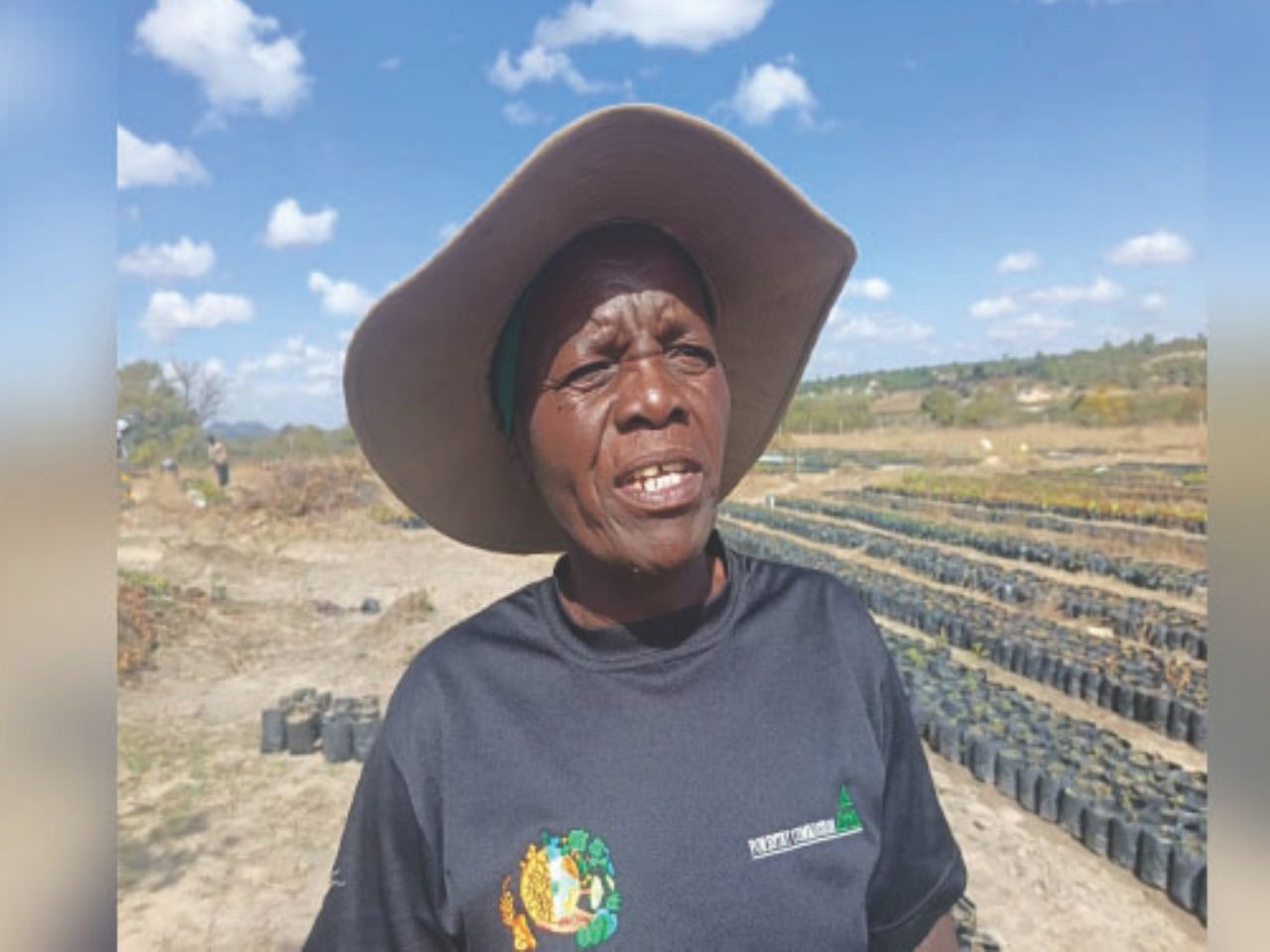
Ms Mudzinganyama said the nursery will serve as a learning hub where miners and farmers will be taught budding and grafting for tree improvement.
“Species being propagated include Syzygium cordatum, Kigelia africana, Ziziphus mucronata, Flacourtia indica, Vitex payos and Brachystegia boehmii. Miners in Shurugwi have already been identified to buy trees for mine site rehabilitation,” she said.
EMA spokesperson for Midlands Province, Mr Osward Ndlovu, said Zamazama was identified after a national baseline survey found Wards 12 and 13 had very few trees.
“Because of social fencing we have seen an improvement, even in grass growing in the area. This is about capitalising on the people and emphasising sustainability,” he said.
The project, Mr Ndlovu said, is targeting land degradation neutrality by stopping erosion, halting deforestation and ending cultivation along stream banks.
He said Ward 13 is worse affected due to mining, where EMA is rehabilitating pits while the Forestry Commission continues tree-planting.
“Government departments are working with the community to ensure the interventions are sustained beyond GEF7 F7. For Zamazama, the message is simple: restore the land, one tree at a time,” he said.
The 2026 Global Observance places a dedicated strategic focus on the world’s rangelands, which remain as ecosystems that are vital for livestock production, wildlife conservation, and pastoral livelihoods, yet face unprecedented degradation due to climate change and unsustainable land-use practices.
As a signatory to the United Nations Convention to Combat Desertification (UNCCD), Zimbabwe has made progressive strides toward achieving Land Degradation Neutrality (LDN). National efforts include community led sustainable land and forest management (SLM and SFM) programs, climate-smart agriculture (Pfumvudza/Intwasa), and integrated catchment management.
The 2026 national commemoration will serve as a high-level platform to profile these successes, address systemic gaps, and mobilize multi-stakeholder commitments toward national development priorities, including the National Development Strategy (NDS) frameworks and the National Climate Change Response Strategy.