

 Online Reporter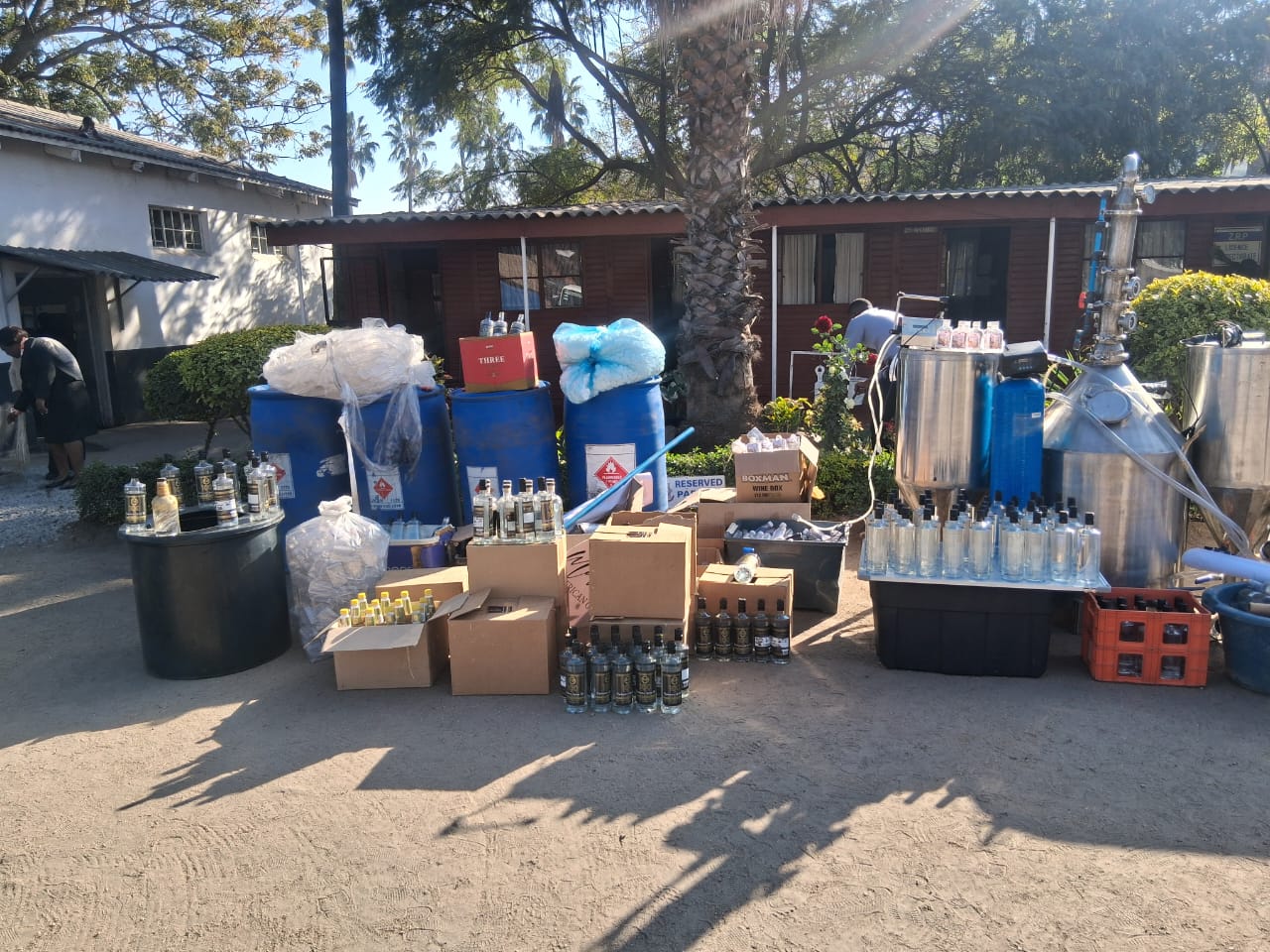
THE recent police raid in Bulawayo’s city centre, which uncovered a well-organised illicit alcohol brewing operation, is a stark reminder of a growing threat that Zimbabwe can no longer afford to ignore.
The seizure of 800 litres of ethanol, counterfeit-labelled bottles and specialised manufacturing equipment points not to a small backyard activity, but to a dangerous and organised trade that is putting lives at risk.
Illicit brews, commonly known as njengu, have quietly spread across both urban and rural communities. What is even more worrying is how these illegal operations are increasingly being run from residential flats and business premises, often hidden in plain sight. The Bulawayo case highlights just how sophisticated these networks have become — complete with fake branding, sealing machines and large-scale production.
At its core, this is not just a law enforcement issue. It is a public health crisis.
Unregulated alcohol produced using ethanol and unknown substances poses serious risks to consumers. Unlike licensed products, these brews are not subject to safety checks or quality standards. Consumers have no way of knowing what they are drinking. Cases of poisoning, long-term organ damage and even death have been linked to illicit alcohol in various parts of the country.
The danger becomes even greater when such products are packaged to resemble trusted brands. The discovery of suspected counterfeit Highlanders African Gin in the Bulawayo raid shows how far illicit brewers are willing to go. By imitating legitimate products, they not only deceive consumers but also undermine genuine businesses that comply with regulations.
This is a double blow — to public health and to the economy.
Legal manufacturers invest heavily in standards, licensing, taxes and employment. When illegal operators flood the market with cheaper, dangerous alternatives, they distort competition and weaken formal businesses. Over time, this erodes confidence in local products and discourages investment in the sector.
But perhaps the most concerning impact is the effect on young people.
Illicit brews are often cheaper and more accessible, making them particularly attractive to youths. This feeds directly into the broader crisis of drug and substance abuse, which authorities have already identified as a growing threat in communities. When young people consume unsafe alcohol, the damage is not just physical — it affects families, education, productivity and the future of entire communities.
Inspector Nomalanga Msebele’s warning that such activities are “causing serious social harm” should not be taken lightly. It reflects what many families are already experiencing — broken homes, lost opportunities and rising health problems linked to substance abuse.
The law is clear. Statutory Instrument 62 of 2025 prohibits the production of illicit ethanol-based beverages. What is now needed is consistent enforcement and, equally important, stronger community involvement.
The police cannot fight this battle alone.
The Bulawayo raid was made possible by a tip-off from a concerned citizen. This is exactly the kind of vigilance that must be encouraged across the country. Communities must take responsibility for what happens in their neighbourhoods. As the police have rightly pointed out, property owners who allow illegal activities on their premises can be held accountable. Turning a blind eye is no longer an option.
At the same time, licensed liquor outlets also have a role to play. By choosing to buy from unregistered suppliers, they become part of the problem. Ethical business practices must be enforced, not just for profit, but for the safety of consumers.
Government agencies, law enforcement and communities must work together in a coordinated approach. Regular inspections, stricter monitoring of ethanol distribution, public awareness campaigns and tougher penalties for offenders are all necessary steps.
However, beyond enforcement, there is also a need to address the underlying economic factors. Many of those involved in illicit brewing are driven by unemployment and a lack of opportunities. While illegal activities cannot be justified, efforts to create alternative livelihoods and support small, legal enterprises can help reduce the incentive to operate outside the law.
The Bulawayo case should serve as a wake-up call.
Illicit brewing is no longer a hidden or isolated problem. It is organised, dangerous and spreading. If left unchecked,
it will continue to harm lives, weaken businesses and strain communities.
The message must be clear: there is no place for illicit alcohol in Zimbabwe. Protecting public health, safeguarding the economy and securing the future of young people depend on decisive action — now, not later.


