Online Reporter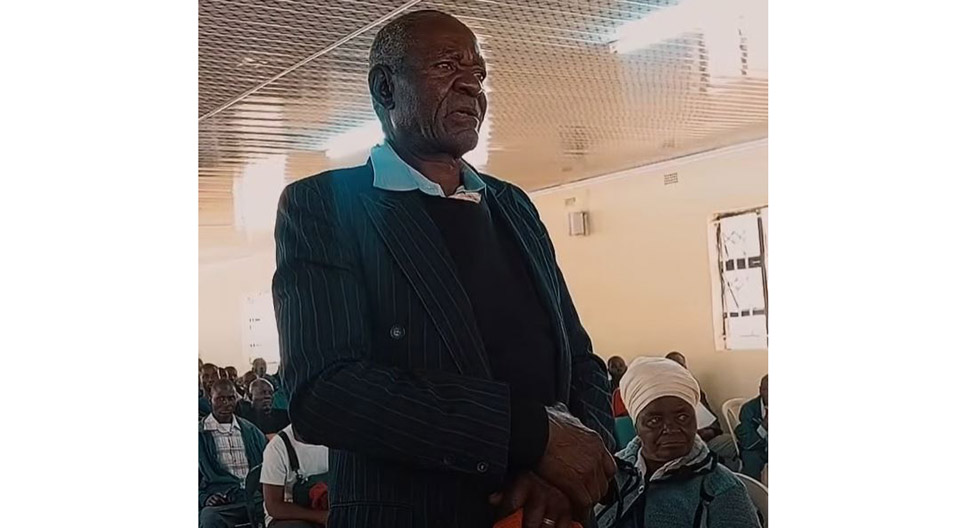
Tendai Gukutikwa
Weekender Reporter
A BITTER inheritance wrangle has erupted in Mutasa after a woman allegedly demolished part of her late parents’ home, claiming it belonged to her, while refusing to allow her half-brother to benefit from it.
Appearing before Chief Mutasa’s community court recently, Lameck Mutseyekwa, accused his half-sister, Catherine Mutseyekwa, of deliberately demolishing a section of the house left behind by their late father.
He argued that Catherine and her brother, Hondo, were trying to strip him of his rightful inheritance.
“My father was polygamous with two wives, and they are both late. The first wife’s children are now taking away land from me, saying it is theirs. I inherited my father’s house, but Catherine demolished part of it, saying it was her section of the house, and that I should not benefit from it,” said Lameck.
He added that Catherine had warned him beforehand of her intentions, but he was powerless to stop her since he was in South Africa at the time.
“She told me before she demolished the house, and I told her that it was wrong. When I left for South Africa, I later heard that she had demolished it. This is nothing, but an attempt to force me out of my parents’ homestead,” he charged.
Lameck insisted that his father had formally allocated the property to him before his death, and that his siblings are trying to disinherit him under the guise of cultural entitlement.
However, Hondo Mutseyekwa, disputed Lameck’s version of events, insisting that the house never belonged to him or his mother.
“The house he is talking about belonged to my mother, father, and our siblings. By the time his mother came into the family, that house and land were already ours,” said Hondo, who further maintained that Lameck had no claim over the property, and should instead settle on land belonging to his own mother.
“We gave him his mother’s land, and he can build there. That house belongs to us as children of the first wife, and to our widowed sister, Catherine. He must not try to rewrite history,” said Hondo.
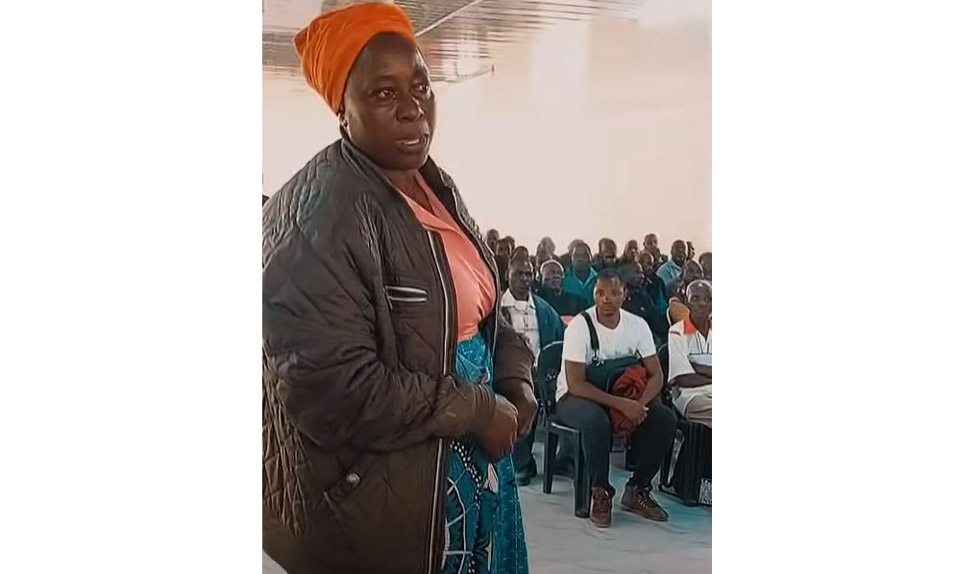
For her part, Catherine defended the demolition of the house, insisting that the family had agreed to take down the damaged section for safety reasons.
“My husband died, and I went back home. I was supposed to stay in the house that my late parents lived in. His wife later informed us that one of the rooms had cracks on the wall. As a family, we agreed to take down that room and refurbish it. It was not malice, it was a structural decision,” she said.
She further claimed that Lameck’s accusations were an exaggeration meant to cast her as a destructive sibling.
“I would never destroy what my parents built just to spite someone. What we did was in the best interest of the family,” she said.
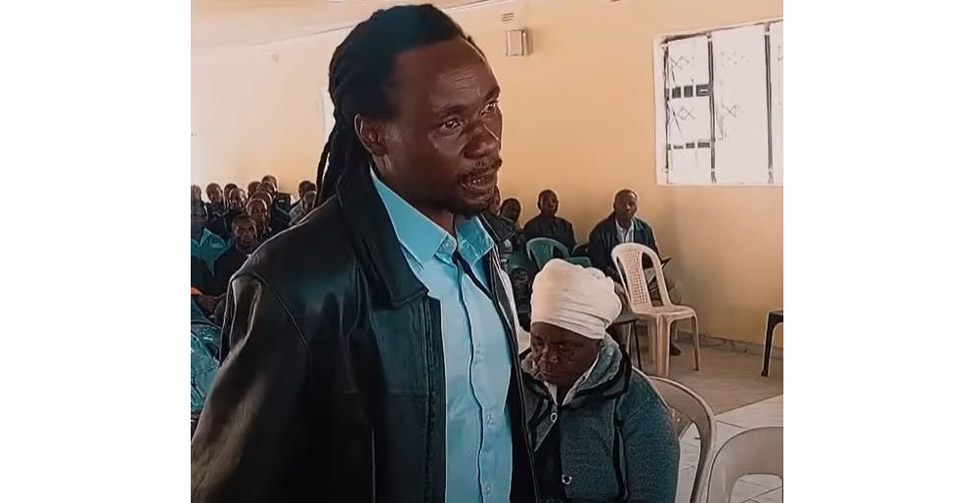
The dispute spilled further when Hondo’s son, Terrence, was dragged into the matter after he was accused of illegally planting bananas on land Lameck insists was his inheritance.
“I did not know that he was against my farming on that land. If I had known, I would not have done it. In fact, I was not aware that the land was not mine. This whole issue is just a misunderstanding,” said Terrence.
The matter has deepened rifts within the family, with each side accusing the other of greed and bad faith.
Presiding over the case, Chief Mutasa warned Catherine and Hondo against what he described as family bullying, and urged them to respect traditional inheritance arrangements.
“I will not tolerate situations where some family members take advantage of others simply because they are from different mothers,” said Chief Mutasa, adding that inheritance matters should be handled with fairness and respect for the deceased’s wishes.
“In our culture, when a man dies, all his children remain his children regardless of which wife gave birth to them. No one has the right to push out or dispossess another.
“Catherine and Hondo, you must understand that destroying houses or forcibly taking land is not how inheritance is shared. It only breeds hatred and divisions in families,” he said, further reminding the siblings that traditional courts are there to preserve unity rather than fuel enmity.
“You must find a way to co-exist and share what your parents left behind. If you cannot do it amicably, I will not hesitate to summon elders and redistribute everything in a way that ensures fairness. Greed will not be entertained in this court,” he warned, and later ordered the family to declare their late father’s estate through the Master of the High Court after it emerged that their late father had a house in Harare, which Lameck is not benefiting from.