admin
admin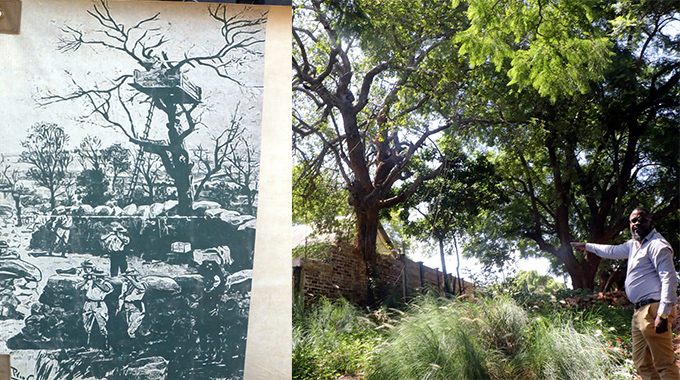
Gibson Mhaka
BULAWAYO, Zimbabwe’s second-largest city, boasts of a rich historical tapestry. Its contributions to the First Umvukela, a cornerstone of the nation’s liberation struggle, solidify its importance.
The Matebele Uprising of 1896, also known as the First Chimurenga, was a significant event in Zimbabwe’s history in the fight for independence from colonial rule.
Legend has it that Bulawayo was essentially a military town, few places of its size can have seen so many battles fought around it. Rare are cities that have witnessed so many battles fought around their walls, lending Bulawayo a unique aura of resilience.
This history of conflict imbued Bulawayo with a spirit of resistance, making it a powerful centre during Zimbabwe’s liberation struggle. The city boasts of many historical monuments, including Stanley Square and Stanley Hall, the Amakhosi Cultural Centre, Big Bhawa and the Heritage Corridor, among other surrounding places.
The Hanging Tree, located between Connaught and Masotsha Ndlovu Avenues, was also accorded national monument status. This infamous site was used to hang nine Black Zimbabweans who resisted white settlers during the First Umvukela Uprising.
The Government has since identified the Hanging Tree as a national monument as it symbolises both subjugation and resistance to colonialism by the country’s citizens. The house of liberation icon and founder of the Zimbabwe People’s Revolutionary Army (ZPRA), Cde Jason Ziyaphapha Moyo, located in the Makokoba suburb, is also set to be refurbished and transformed into a historical monument.
As Zimbabwe commemorates its 44th year of independence on 18 April, a hard-won victory after a long struggle against colonial rule, Bulawayo offers another significant historical site deserving of national monument status.
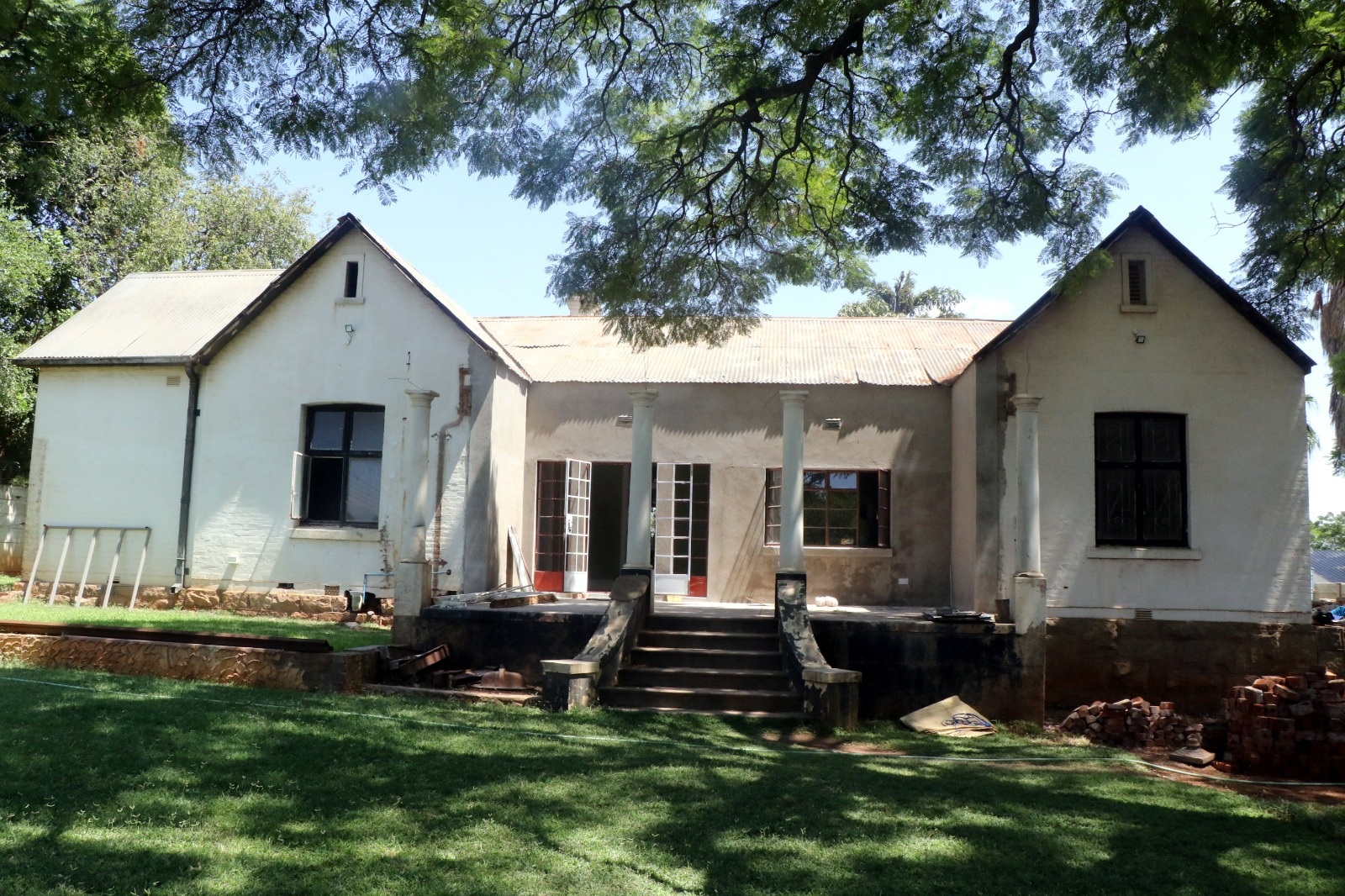
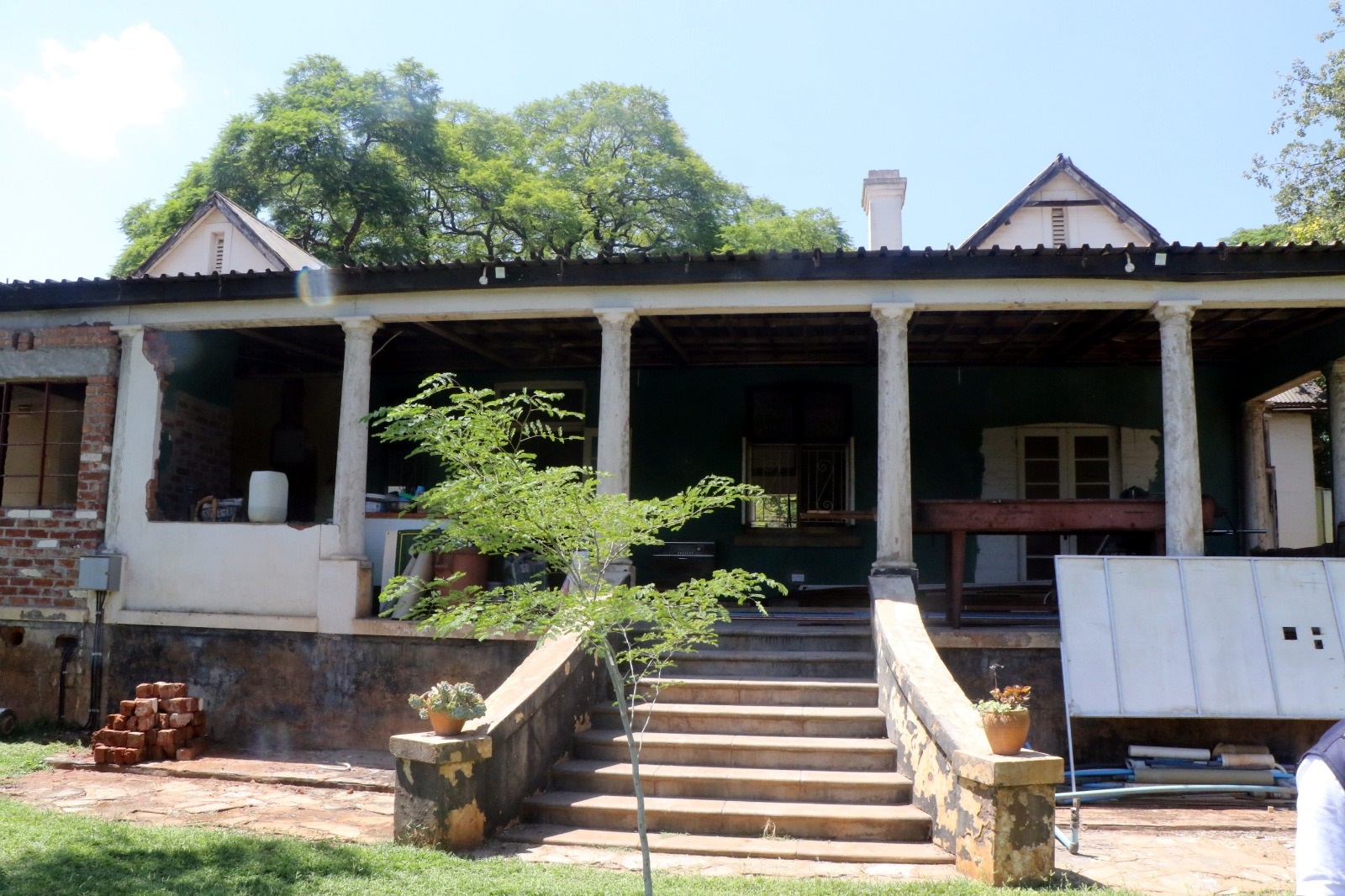
Situated on a private property in the Suburbs, the Signal Tree stands as an iconic landmark. This iconic tree was used as a lookout during the Matebele Uprising of 1896. The Matebele Uprising of 1896 marked a violent clash between the Ndebele people and the British South Africa Company (BSAC), a chartered company that was granted control over Matabeleland in the late 19th century.
According to records in possession of B-Metro, the Signal Tree had a commanding view Southwards towards the Matopos where the Ndebele warriors were concentrated, and also towards Market Square where the City Hall of Bulawayo stands today. Signals were posted by flag or heliograph to warn the residents of any hostile movements.
Today the Signal Tree stands right on the boundary of the residential property and a wall was constructed to accommodate this historical tree — Lannea schweinfurthii — false marula.
Residents say the recognition of this Signal Tree will bring attention to gems that are an indispensable part of Bulawayo’s Heritage Corridor.
“There is no doubt that securing the tree as a national monument could generate significant economic benefits. It would likely become a centre of attraction, bringing revenue to the city from tourism-related activities,” said a resident from Suburbs.



 Online Reporter