admin
admin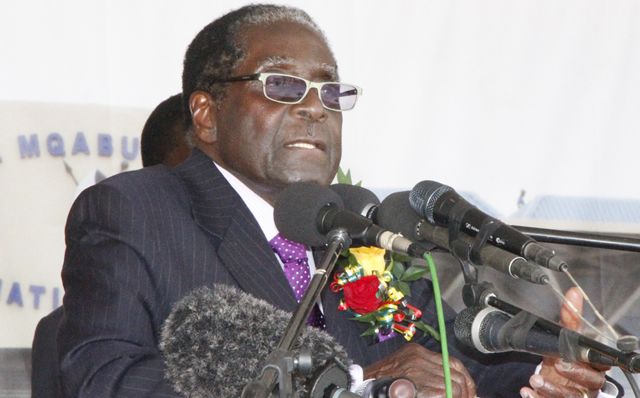
Stephen Mpofu Correspondent
The way things are trending with Gukurahundi enterprise fundis strenuously casting a small dark cloud to discolour the armed revolution that brought uhuru to the motherland in 1980 — and appearing to get away with the mischief making — this pen believes it is imperative for our liberation movement Government to weigh in with speed before irredeemable damage is caused to the genuine freedom struggle. What appears necessary after 37 years of dithering or indecision on immortalising the genuine freedom struggle that must remain this nation’s permanent legacy codified in cold print to guide future generations is for our government to provide requisite assistance to historians, including paid leave for academics, to start writing an authentic account of the revolution that today makes people walk with their heads raised high, in spite of intermittent imperialist machinations to paint an image of terrorists as a way of discrediting those men and women who took up arms to free our land from racist and sometimes ruthless foreign ruling culture.
It is ironic that more than 30 years after Gukurahundi quelled an insurgency in Matabeleland and parts of the Midlands, and after the government of then Prime Minister Robert Mugabe regretted what happened, Gukurahundi is once again taking centre stage thanks to so-called human rights activists obviously working in cahoots with Zimbabwe’s sworn external enemies.
It is not beyond doubt that after their illegal sanctions failed to topple the zanu-pf Government over land reform, Western imperialists now rub their hands gleefully in hopes that by whipping up the Gukurahundi enterprise story, zanu-pf, still intact in power, will be discredited and lose the forthcoming harmonised elections in months to come.
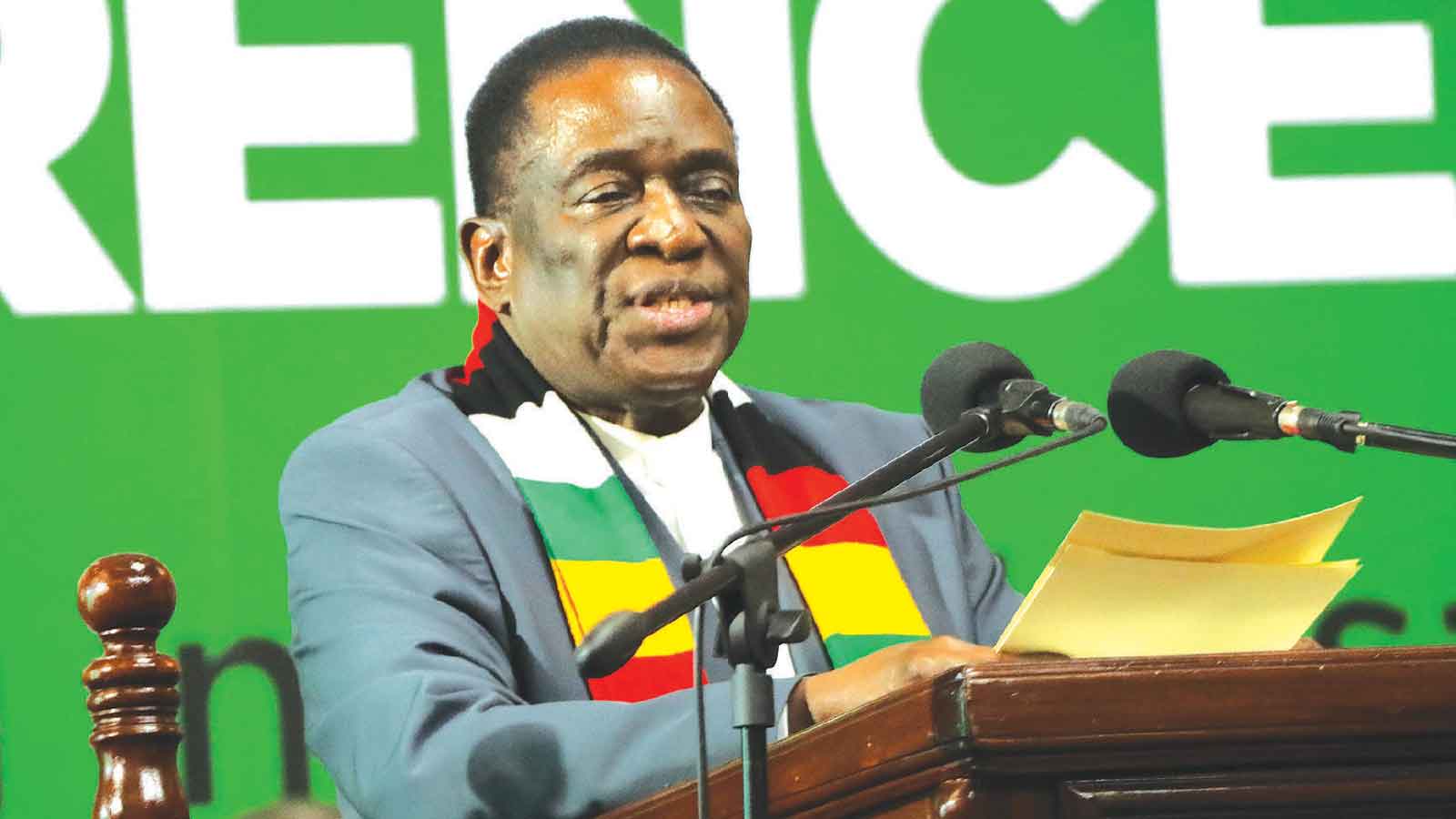
In fact, the West, colluding with its local running dogs some of them in opposition to the ruling party, believe that revisiting Gukurahundi, which took place when Cde Mnangagwa was in charge of national security in then Prime Minister Mugabe’s office, will cause mortal damage to ED’s presidency and to the party zanu-pf, that he now leads as the party’s First Secretary and President and give the opposition, which worships the West, a chance to make a mark at polls expected to take place within five months or so.
That by their utterances some Westerners appear hell-bent on making President Mnangagwa apologise for Gukurahundi, would appear to suggest that they want him to carry the can when he had no overall say on matters including those threatening national security. Cde Mugabe, then as Head of State, did in fact regret what happened in Matabeleland during Gukurahundi which, incidentally, did not just happen like a hurricane, but was in fact a response to the sad development in the region. A book by this author titled — Creatures at the Top — with some of the fatcats now fast being forgotten by history — quotes newspaper reports which said that disaffected former guerrillas-turned-dissidents had been infiltrated into Zimbabwe from South Africa in groups of between 20 and 30, that those who underwent training in Botswana were repatriated once the government there caught up with them and that villagers in the southern parts of the country, such as Mwenezi suffered as a result of their return.
The dissidents mutilated the ears, noses and lips of some of the targeted civilians victims as confirmed by Government officials and by newspapers. When the national army moved in to quell the insurgency which might or might not have destabilised the entire country, or dismembered it altogether, the crackdown on the dissidents by the Five Brigade was received with mixed feelings, even horror, by the public.
People in the areas where the dissidents operated blamed the army for the atrocities it caused in its reprisal actions which also affected civilian collaborators of the dissidents. When commenting on the reported “atrocities” by some members of the Gukurahundi against civilians in Matabeleland, Dr Sydney Sekeramayi, then a minister in the Prime Minister’s office, said the Government had appointed a four man team to set up an inquiry in June 1983 — following a promise by the then Prime Minister that some of the forces found to have harmed civilians would be court marshalled.
Former President Mugabe himself would state in a speech in October 1997, at a memorial service for national hero Sikhwili Moyo: “Let our leaders in Matabeleland compile an inventory of those people who were affected and we will decide how to help them. We would never let a conflict situation occur with a lot of suffering, some of which still persists today. People who are out to promote disunity made it appear as if the Government was not aware of the need to help those affected by atrocities. The Government would not discriminate against any ethnic group in the country.”
There it is and Zimbabweans have remained united and strong in a unitary state that some Machiavellian characters would appear to want to divide by flighting manufactured statistics of “the Gukurahundi genocide” in Matabeleland. Ways must be found to silence these Gukurahundi genocide pundits who continue to wish ill for our country under the new political dispensation.
It is in this regard that President Mnangagwa’s unflinching determination in furthering national reconciliation and peace is to be commended by all. However, the thesis of this discourse is an urgent need for the chronicling of Zimbabwe’s liberation history before more revolutionaries die and are buried with vital accounts of their participation in the revolutionary history of our nation for the guidance of future generations.
This writer shudders to think of foreigners from imperialist countries whose racist and repressive rule of our country that the gallant sons and daughters of the soil sort to end, sitting down and writing a true, even complementary, history of Zimbabwe’s liberation struggle. There is no way under the sun that an authentic history of our fighters can be written by foreigners whose governments regarded the freedom fighters as terrorists.
In fact such historians are likely to go to any length in describing how the “terrorists” were trained by communist countries, the Soviet Union and China, to “subvert” Western democratic systems of government. It is also most likely that Gukurahundi will be used by such historians to discredit a government by a liberation movement in our country.
Actually, it is a tragic irony that a country with a national literacy rate of 92 percent should be unable to tell the story of its life journey through racist colonial rule to a Government of the people by the people for the people.
Any more dilly-dallying on putting pen to paper will see Zimbabweans waking up to write their liberation history when all those with gems of information about the revolution have gone, leaving behind sources with imaginative rather than first hand information to tell the story of the struggle. The new dispensation needs to be duly seized with this direly urgent national historical deficiency.



 Online Reporter