peter
peter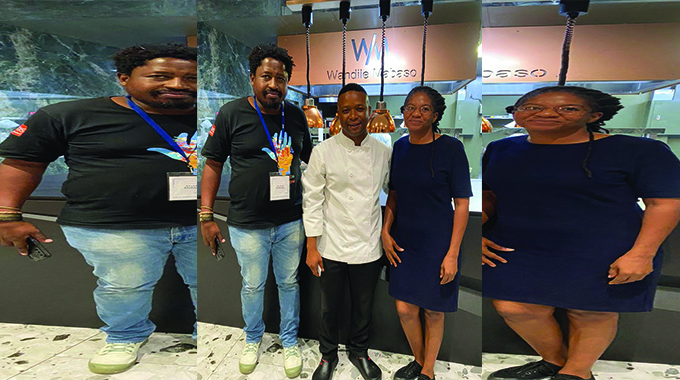
Mbulelo Mpofu, [email protected]
LAST month marked a momentous occasion in the cultural world as the Radisson Red Hotel in Rosebank, Johannesburg, became the venue for the first-ever Yale Directors Forum. This prestigious event brought together a host of revered cultural figures, among them Silenkosi Moyo, the esteemed director of the National Gallery of Zimbabwe (NGZ) in Bulawayo, setting the stage for a landmark symposium dedicated to the future of cultural heritage.
The Yale Institute for the Preservation of Cultural Heritage (IPCH), established in 2013, aims to support museums and cultural organisations across Africa. Charlotte Ashamu, Director of International Programmes at the Yale IPCH, spearheaded this initiative. The Yale Directors Forum stands as the IPCH’s premier international programme, offering a prestigious fellowship for museum and cultural institution leaders worldwide.
The initiative seeks to create a dynamic network of seasoned executives, enhance educational pursuits, and encourage strategic partnerships with universities and organisations globally.
In an interview with Saturday Leisure, Moyo shared her enthusiasm for the in-person interactions at the forum.

“Attending the inaugural physical gathering of the Yale IPCH Director’s Forum was an exciting but nervy experience. Meeting the organiser and fellows in person after having interacted online was a thrilling moment. However, I also felt a sense of nervousness as I wasn’t sure what to expect from the programme,” she expressed.
The forum featured distinguished speakers like Mae-ling Lokko, an architectural scientist and professor at Yale University’s School of Architecture; Albie Sachs, a veteran South African lawyer and human rights activist; and Brent Leggs, the founding executive director of the African American Cultural Heritage Action Fund. Their insights proved invaluable to Moyo.
“The speakers at the Yale IPCH Director’s Forum provided invaluable insights. I learned about the power of collaboration and the importance of documenting and archiving our cultural heritage. They emphasised the crucial role of conservation and preservation in shaping our collective narrative. These lessons contribute to our understanding of who we are as a nation,” Moyo recounted.
For Moyo, the forum’s insights are particularly relevant to Zimbabwe, a nation with a deep-rooted oral cultural tradition now transitioning to documentation.
“The forum highlighted the fundamental importance of conservation and preservation. It made the need for funding towards these efforts vividly clear, as they play a vital role in shaping our national identity. By applying these takeaways, we can better support our museums and cultural enterprises across the country,” she explained.
Moyo also reflected on Zimbabwe’s progress in aligning with global gallery standards, noting both achievements and areas for growth.
“The engagement with the Yale Directors Forum provided an opportunity to benchmark our practices against international standards. This assessment enables us to identify areas where we can further enhance our galleries, ensuring that we provide a world-class experience for visitors,” she stated.
Following her recent participation in the US Embassy Zimbabwe International Visitor Leadership Programme (IVLP), Moyo is optimistic about forging new partnerships.
“Engagements with cultural institutions in America and South Africa have opened doors to valuable partnerships for our gallery. These partnerships can offer opportunities for collaboration, knowledge sharing, and resource mobilisation. By leveraging these connections, we can enrich our gallery’s programming and strengthen our cultural impact. The exchange of ideas and experiences with international counterparts will bring fresh perspectives,” she concluded.
The Yale Directors Forum, a newly launched fellowship programme, marked its beginning at the four-day event, heralding a new era for cultural preservation. Tailored for the visionary leaders of museums, cultural centres, libraries, archives and heritage sites, the programme is designed to play a pivotal role in safeguarding cultural heritage for current and future generations.
Spanning 18 months, the fellowship offers a participant-focused educational journey, enriched by interactions with Yale’s leading experts and global authorities, personalised executive coaching and specialised advisory services dedicated to the preservation and care of collections.
Zimbabwe shone brightly at the event, with Makhosi Mahlangu, a celebrated chef, food entrepreneur and authority on native foods, being selected as one of the 17 fellows from 12 African countries. The fellowship’s diverse cohort also includes Kwame
Akoto-Bamfo, a multidisciplinary artist and cultural activist from Ghana, and Wanjiru Koinange, an award-winning writer and library restorer from Kenya. In line with Women’s Month’s celebration of female excellence, Moyo issued a special invitation to women artists.
“To all the female artists out there, I want to extend a heartfelt message: the gallery is an open and welcoming space awaiting your participation. As we celebrate International Women’s Month, our efforts align with the Government’s pursuit of gender parity, as stated in the National Development Strategy (NDS1). We are intentional in our endeavours to reach out and include women artists in our programmes. I encourage you to seize the opportunities before you and make the best of them. Together, we can create a more inclusive and empowered artistic community,” said Moyo.
The National Gallery of Zimbabwe serves not only as a custodian of local arts but also as a vital platform for cultural exchange programmes, hosting exhibitions and forging partnerships with various embassies, thus enhancing the nation’s cultural dialogue. — Follow on X @MbuleloMpofu


 Online Reporter