Ivan Zhakata
Herald Correspondent
THE Government will continue working with tertiary institutions to develop skills programmes tailored to the practical needs of the economy as Zimbabwe pursues its vision of becoming an upper middle-income society by 2030.
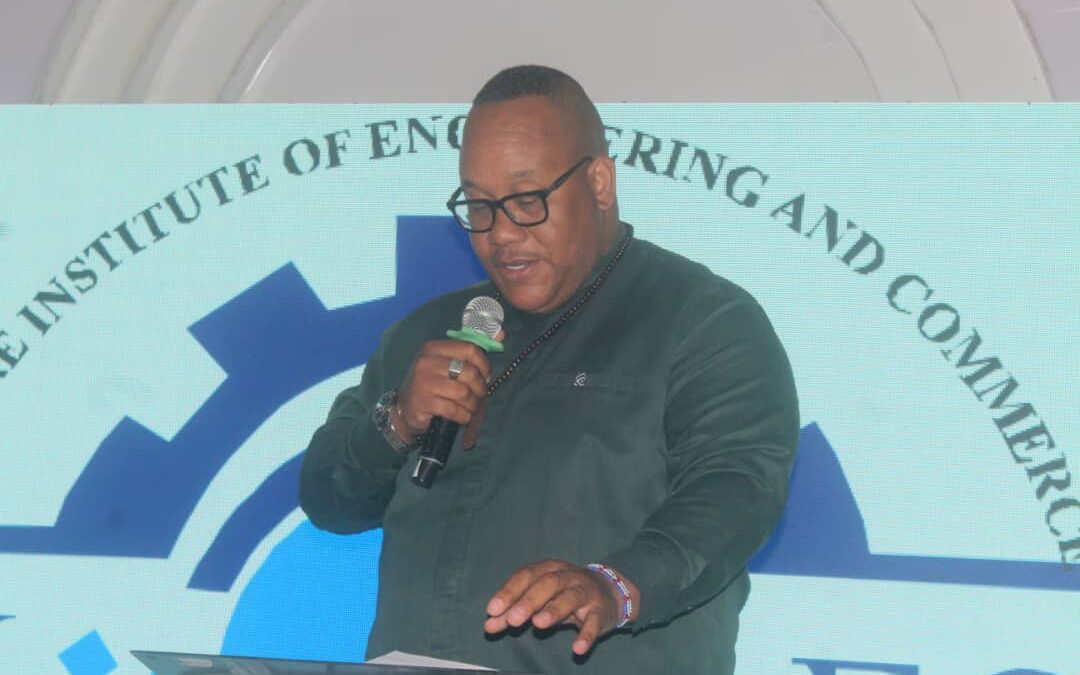
Deputy Minister of Youth Empowerment, Skills Development and Vocational Training Kudakwashe Mupamhanga said this at the ninth graduation ceremony of the Harare Institute of Civil Engineering and Commerce (HIEC), where 105 students graduated with National Certificates, Diplomas and Higher National Diplomas.
The graduates were drawn from disciplines including civil engineering, quantity surveying, urban and regional planning, architectural technology, accountancy, geomatics and estate management.
HIEC is a privately funded training institution accredited by the Zimbabwe Council for Higher Education (ZIMCHE).
Speaking under the theme, “Skilled minds, stronger communities”, Deputy Minister Mupamhanga said education was critical to national development and economic transformation.
“The transformative power of education is not just a pathway to personal success, but a catalyst for community development and national prosperity,” he said.
“Every skill imparted, every mind nurtured, is an investment in the strength and resilience of our communities.
“HIEC’s mandate is clear, and the strategy is aligned with the national policy framework and the strategic roadmap set forth by our Government, the creation of an upper middle-income society by 2030.”
He said skills development and economic empowerment were central to employment creation and poverty reduction, with institutions such as HIEC expected to produce graduates capable of addressing practical challenges in industry and commerce.
Deputy Minister Mupamhanga said Education 5.0, which integrates heritage and indigenous knowledge systems with modern innovation, was designed to produce graduates who were not merely job seekers but job creators and problem-solvers.
“You are now artisans, technicians, technologists, and engineers with the skills to transform Zimbabwe’s industrial landscape by starting your own companies,” he said.
“Remember, ‘Nyika inovakwa nevene vayo’ / ‘Ilizwe lakhiwa ngabanikazi balo’ — a nation is built by its citizens.”
HIEC principal Mr Patterson Munatsi said the institution’s strategy was aligned with the Government’s development agenda despite operational challenges.
“Our core mission has remained steadfast,” he said, crediting the institution’s achievements to collaboration with stakeholders in the higher education sector.
HIEC graduates have previously participated in national development projects, including the construction of the Trabablas traffic interchange in south-western Harare.
Meanwhile, HIEC founder Mr Kelvin Pike said the institution planned to establish a school to create an educational pipeline introducing young people to science, technology, engineering, commerce and vocational skills at an early age.
He said plans were also underway to establish a soil laboratory to support civil engineering, construction and agricultural programmes.
“A modern soil lab will support our civil engineering, construction, and agricultural programmes. It will enable soil testing, materials research, practical training, and advisory services for farmers, builders, and local authorities,” he said.