Online Reporter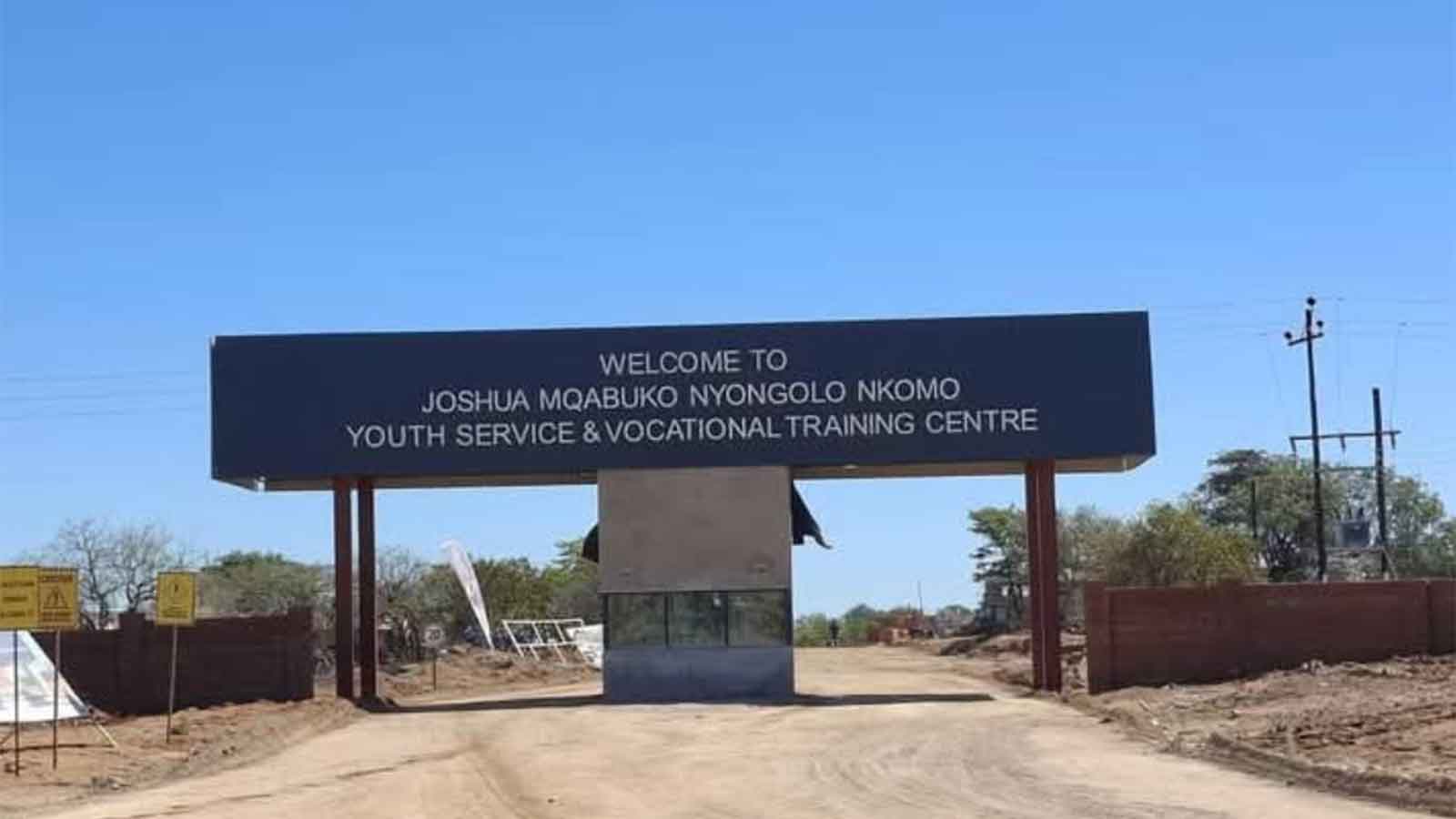
Ranson Madzamba-Correspondent
The global community commemorates the World Youth Skills Day every year on July 15. The occasion recognises the indispensable role of skills development in empowering the youths and accelerating sustainable development.
For Zimbabwe, this day carries profound significance as the nation intensifies efforts to build a modern, industrialised and innovation-driven economy anchored on a skilled and productive citizenry.
The future of any nation is determined not merely by the size of its youthful population, but by the quality of skills that young people possess. In an era characterised by rapid technological advancement, digital transformation, climate change and evolving labour markets, investing in technical and vocational skills is no longer optional but rather an economic imperative.
The Government, through the Ministry of Youth Empowerment, Development and Vocational Training, recognises skills development as a strategic national investment. It forms the foundation upon which industrialisation, value addition, entrepreneurship, job creation and economic resilience are built.
A nation endowed with skilled artisans, technicians, innovators and entrepreneurs is better positioned to harness its natural resources, stimulate production and compete effectively in regional and global markets.
The Government continues to upgrade vocational training centres (VTCs), modernise training curricula, strengthen partnerships with industry and expand access to digital and emerging technologies. These reforms are designed to ensure that graduates possess competencies that respond to the realities of the Fourth Industrial Revolution and the evolving demands of the workplace.
Currently the Government is constructing world class VTCs namely, the Joshua Mqabuko Vocational Training Centre in Matabeleland South Province and the ED Mnangagwa Vocational Training Centre in Mashonaland East Province.
These world-class facilities stand as lasting symbols of government’s commitment in impacting life skills training to the young people of our great nation.
The Government is indeed embracing digital transformation by connecting Vocational Training Centres through high-speed internet infrastructure, expanding access to digital learning, research, innovation, and entrepreneurship.
Complementing this effort is the establishment of Youth Digital Hubs, beginning with Ruwa Vocational Training Centre and Nyamuroro Vocational Training Centre.
These facilities are equipping young Zimbabweans with digital business, and e-commerce skills that enable them to compete confidently in an increasingly technology-driven global economy.
The impact of these investments is already evident, with many graduates establishing successful enterprises, creating employment, and contributing meaningfully to the growth of local economies. As we implement the National Development Strategy 2, Government will continue modernising training infrastructure, expanding smart learning platforms, strengthening partnerships with industry, and increasing apprenticeship opportunities to ensure that no young Zimbabwean is left behind.
Importantly, vocational education has undergone a remarkable transformation. It is no longer viewed as an alternative for those who do not pursue conventional academic pathways. It is no longer only for those youths who are not into Education, Training and Employment but rather for every willing youth and individual.
It has become a respected avenue for producing highly skilled professionals capable of driving innovation, establishing enterprises and contributing meaningfully to the developmental discourse of our great nation, Zimbabwe.
Around the world, economies that have invested heavily in vocational and technical education continue to enjoy stronger manufacturing sectors, higher employment levels and greater technological competitiveness.
Zimbabwe is embracing this global reality. Through deliberate investment in youth skills, the Government is nurturing a generation that is equipped not only to seek employment but also to create it.
Entrepreneurship, innovation and self-reliance have become central pillars of youth empowerment, enabling young people to transform acquired skills into sustainable livelihoods and viable businesses.
The significance of the World Youth Skills Day extends beyond employment. Skills empower communities, reduce poverty, promote social inclusion and strengthen national resilience.
Skilled youth become solution providers in agriculture, renewable energy, infrastructure development, manufacturing, information technology, construction and countless sectors that underpin economic growth.
The Government, industry, training institutions, development partners and communities all have complementary roles in ensuring that training remains relevant, responsive and future-oriented. There is high need of embracing productive partnerships. Well, partnerships bridge the gap between education and the labour market, ensuring that graduates are equipped with competencies that industry requires.
Continued investment in modern training facilities, competent instructors, digital infrastructure and practical learning opportunities in our VTCs remain a national priority good enough for the attainment of Vision 2030.The World Youth Skills Day is, ultimately, a call to action. It challenges all stakeholders to invest in the potential of young people, celebrate the dignity of skilled work and create an environment where talent can flourish. Every artisan, technician, engineer, entrepreneur and innovator begins with an opportunity to acquire quality skills.
The Government, through the Ministry of Youth Empowerment, Development and Vocational Training, reaffirms its commitment in empowering the young people through accessible, relevant and quality skills development programmes.
By equipping today’s youth with the competencies needed for tomorrow’s economy, Zimbabwe is laying a firm foundation for sustainable development, inclusive prosperity and shared national progress.
A skilled youth population is not simply a national asset but rather the engine that will drive Zimbabwe’s transformation for generations to come.
Ranson Madzamba is the director of Communication and Advocacy in the Ministry of Youth Empowerment, Development and Vocational Training