Online Reporter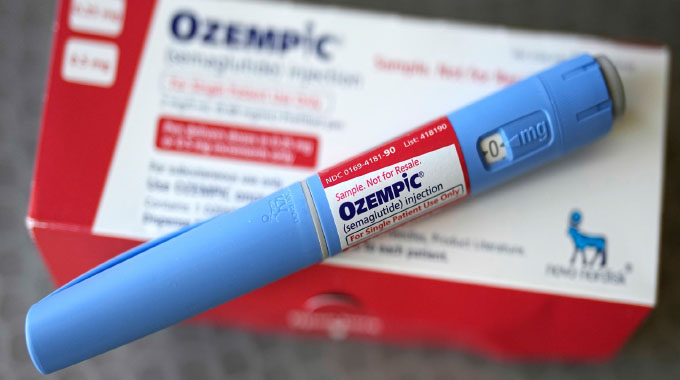
Bruce Ndlovu, Sunday Life Reporter
WHEN the Medicines Control Authority of Zimbabwe (MCAZ) collaborated with the Health Professions Authority of Zimbabwe (HPAZ) last week to release a statement on the abuse of Ozempic, it was likely the first time most Zimbabweans had heard of the drug.
Mutoriro, guka or dombo are terms that typically come to mind when Zimbabweans are asked about harmful substances that urgently need to be eliminated from the country’s streets.
In contrast, a mention of Ozempic would likely draw blank stares from most people, from Mbare to Makokoba.
Yet, the joint statement by MCAZ and HPAZ sounded serious.
If taken at face value, Ozempic was presented as a threat requiring urgent attention.
Originally intended to help patients suffering from type 2 diabetes, Ozempic — known on the streets as the skinny jab — is now being abused, the statement said.
“This growing trend of abusing Ozempic without medical supervision is deeply concerning. This medication is intended strictly for patients diagnosed with type 2 diabetes and should only be used under the guidance of a qualified and licensed healthcare professional. Any use outside of this is not only illegal but dangerous,” said MCAZ director-general, Richard Rukwata.
The statement from such respected health bodies immediately sparked curiosity among those who would have otherwise overlooked the drug had they come across it in any medicine cabinet.
However, in some social circles, Ozempic has now been turned into a weight loss drug of choice.
People desperate to lose weight are flocking to backyard and rogue pharmacists to illegally get hold of this so-called magic drug, reputed to shave off kilos in a matter of weeks.
Socialites eager to maintain their A-list status, businesspeople constantly on the go and even impatient housewives have found solace in a drug that appears to have universal appeal.
For those who have long struggled to shed excess kilos, the drug seems like a savior — a shortcut to their ideal body, without the usual huff and puff.
Ozempic has become the latest obsession among Zimbabwe’s more affluent circles, with those previously overweight appearing miraculously leaner just weeks after starting “treatment.”
What is Ozempic and how does it work?
“Ozempic is a semaglutide that works by mimicking the GLP-1 (glucagon-like peptide-1) hormone. Once you inject it, it increases insulin secretion and lowers your blood sugar,” said dietitian Aziwe Booi.
“The weight-loss benefits come from reduced appetite and hunger cues, which means you feel less hungry than normal — leading to reduced food portions and a caloric deficit.”
According to Booi, the drug delays gastric emptying and reduces cravings for high-calorie foods and sugary beverages.
“Essentially, what makes people gain weight are high-energy, high-sugar refined starches. By reducing those cravings, the drug helps you lose weight,” she explained.
One user, speaking to Sunday Life on condition of anonymity, said the drug gave her results she never achieved through exercise alone.
“Over the years, I had tried everything. People do not know how heartbreaking it is to work hard in the gym, monitor your diet as best as you can, and then come to the end of the week or month only to find you have gained weight instead of losing it. With Ozempic, the results were almost instantaneous. In three months, I had lost almost 12kg,” she said.
Cost
The drug, which authorities strongly caution against using without medical supervision, also comes at a high cost.
This is why, so far, it is mostly being used by the wealthy.
One trader in Bulawayo, for example, was offering Ozempic for US$600 per pen.
But like any lucrative product, the drug now has counterfeits on the black market.
“It is just expensive. A dose that will last you for six weeks might cost at least US$500. And you also have to be aware of the many fake products out there being sold by dodgy pharmacists,” the source warned.
Though costly, administering the drug is relatively simple.
It is given as an injection through pre-filled pens that can be self-administered into the upper arm, thigh or abdomen. A pen contains between 1,5ml or 3ml solution.
However, the financial cost is not the only drawback.
Side effects of this weight-loss drug include gastrointestinal issues such as nausea, diarrhoea, vomiting, constipation, reduced food absorption, heartburn, indigestion, fatigue and dehydration.
Other reported symptoms include abdominal pain, hypoglycaemia (low blood sugar), dizziness, electrolyte imbalances, kidney problems, and even severe conditions like pancreatitis and diabetic retinopathy — a serious eye condition that can damage the retina due to diabetes.
“Ozempic is a prescription medication, so it is important for patients to consult with their healthcare providers to ensure it is right for them and to help find the dose that works best. It also needs to be taken as prescribed,” said South Africa’s Dr. Carmen Briner.
“Side effects should be discussed with a doctor, as there are strategies to help manage them.”
There is limited research on the long-term effects of Ozempic in non-diabetic individuals, raising concerns that some consequences may yet be unknown.
“Studies in animals suggest that semaglutide may increase the risk of thyroid cancer. While there is no definitive proof that it causes thyroid cancer in humans, the uncertainty warrants caution — especially for people with a personal or family history of the disease. For them, it is generally recommended to avoid the drug,” said Briner.
In addition to potential internal effects, visible signs such as lines, wrinkles, sagging skin and sunken eyes — caused by drastic and sudden weight loss — are also among the more easily noticeable side effects.
Despite warnings from medical professionals, Ozempic and its sister drug, Mounjaro (tirzepatide), continue to be openly advertised on social media.
“We have 12-week dosages for tirzepatide (Mounjaro). We are a registered prescriber. It is readily available in Harare. However, we do a consultation with you first and also offer group support. There will be weekly check-in sessions,” said a woman working for what appeared to be a United Kingdom-based organisation on Facebook.
With all and sundry now selling the drug, last week’s intervention by the MCAZ and HPAZ was the clearest sign that authorities are now alert to the dangers of this still relatively unknown drug.
“Diagnosis, prescribing and treatment must be carried out strictly by professionals who are registered and licensed to do so,” said HPAZ secretary-general, Clotilda Chimbwanda.