

 Online Reporter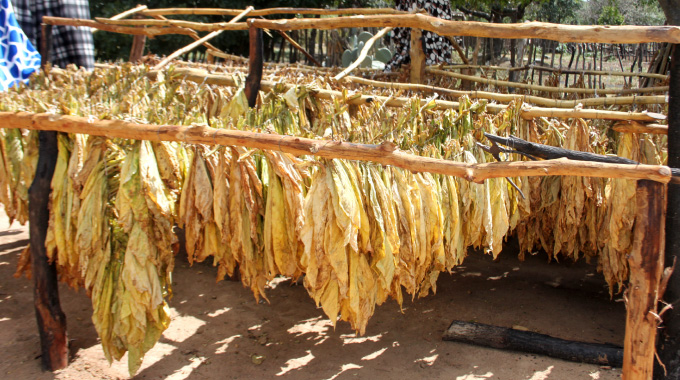
Elita Chikwati
SMALLHOLDER farmers have been praised for their growing participation in Zimbabwe’s tobacco industry, which has contributed to record-breaking production levels. However, calls are mounting for independent financing to sustain and grow these volumes.
To date, tobacco farmers have sold 289 million kilogrammes of the golden leaf, earning US$970 million.
This marks a 43 percent increase from the 201 million kilogrammes valued at US$697,6 million recorded during the same period last year.
Since the land reform programme, tobacco — once the preserve of a few commercial farmers — is now being cultivated by communal and A1 farmers, who have been commended for producing high-quality crops.
There are 134 996 registered tobacco farmers. Of these, 74 123 are communal farmers, 45 321 are from the A1 sector, 7 025 are small-scale commercial farmers, and 8 527 belong to the A2 sector.
Tobacco Association of Zimbabwe president, Mr George Seremwe, commended smallholder farmers and urged financial institutions to provide affordable funding.
“We have surpassed the target and are confident of reaching the 300 million kilogramme mark this season. As smallholder farmers, we are doing our best in terms of tobacco production,” he said.
Mr Seremwe also expressed concern over high production costs, which he said continue to burden farmers.
“Our production costs are very high. Year after year, we face unexpected expenses and losses. We appeal to the authorities to consider incentivising tobacco production by supporting inputs such as fertilisers, fuel and foreign currency retention, which are eating into our profits.
“We need access to affordable funding. We call upon banks to engage directly with farmers and recognise that we are a bankable sector. Financial institutions should work with us confidently, not just through the contract system,” he said.
Tobacco Farmers Union Trust president, Mr Edward Dune, also applauded smallholder farmers for their dedication.
“The contributions of smallholder farmers to the substantial production of the golden leaf demonstrate that the agricultural sector can adopt a holistic and innovative approach across the entire value chain. By enhancing the value of processed products, this strategy not only stimulates economic growth, but also supports the goals outlined in Vision 2030.
“The smallholder sector is well-positioned to fulfil its vital role in the economy, especially if we capitalise on every opportunity — not just in tobacco and land tenure, but in emerging sectors as well. This potential is bolstered by a favourable macroeconomic policy environment that encourages growth and innovation,” he said.
The increase in tobacco production over the years has been attributed to rising average selling prices, funding from tobacco merchants through contract farming and the timely disbursement of sale proceeds. Farmers typically receive payment on the day their crop is sold.
However, concerns remain. Some merchants have been criticised for delayed payments, while others are accused of charging exorbitant prices for inputs.
Many farmers believe that tobacco production would become more viable if they could access funding independently.




 Bongani Ndlovu