

 Online Reporter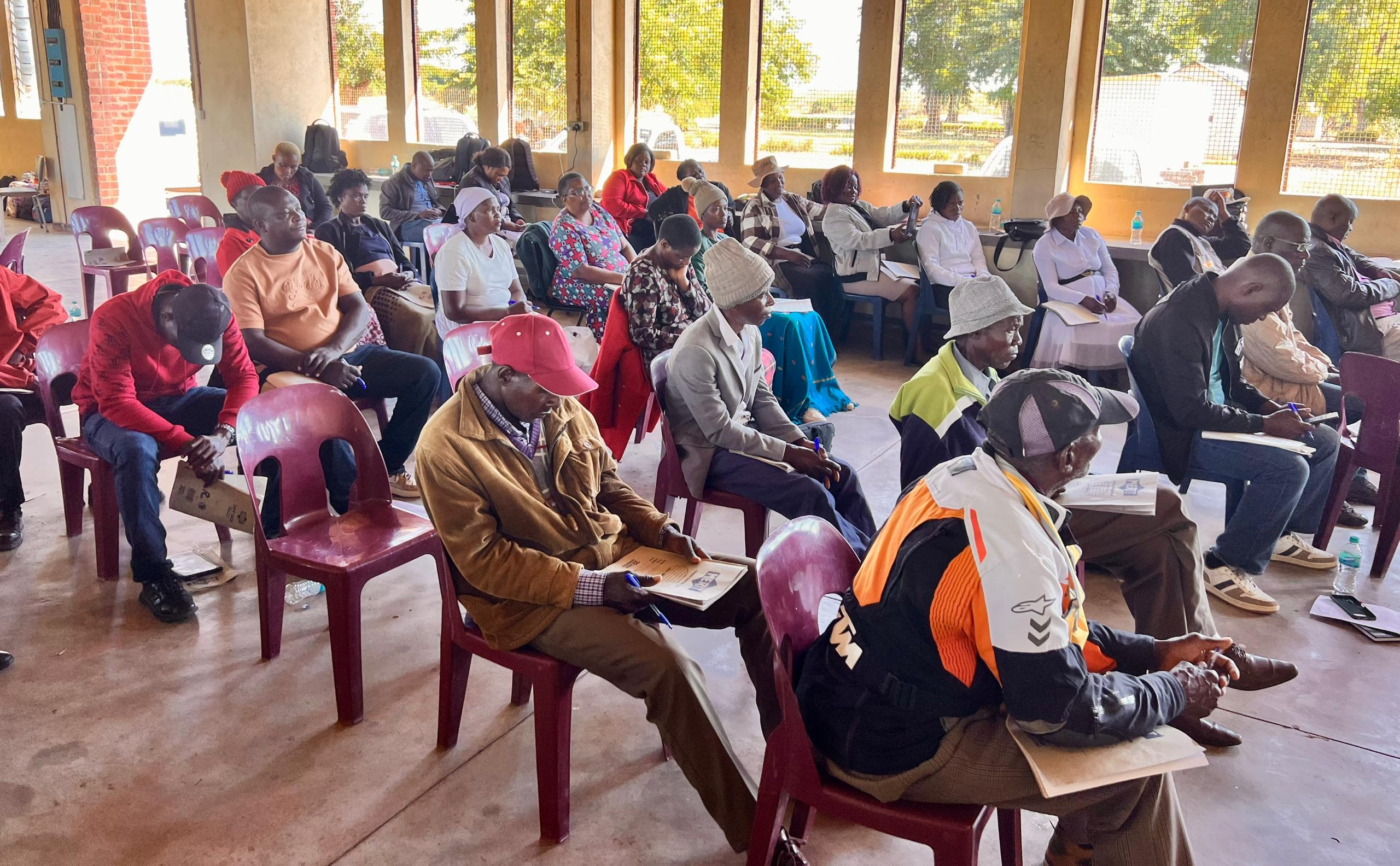
Gibson Mhaka
SMALLHOLDER farmers in the Southern part of Zimbabwe are set to directly engage with private sector players this week in a series of groundbreaking market dialogues aimed at fostering climate-resilient and commercially viable agricultural systems.
These workshops are a key component of the Climate Resilient Livelihoods (CRL) Project, which is supported by the Government of Zimbabwe, the Green Climate Fund (GCF), and the United Nations Development Programme (UNDP).
In a press statement, UNDP Zimbabwe announced that the Innovation Platform (IP) Market Dialogue Workshops, running from June 23 to 28, 2025, offer a rare and strategic opportunity for rural producers, traditionally underserved by direct market access, to connect with essential agricultural stakeholders.
These events are scheduled across several venues: Chisumbanje Research Station (June 23), Chiredzi Research Station (June 24), Makoholi Research Station (June 25), Esigodini Agricultural College (June 26), and Matopos Research Institute (June 27).
“The IP dialogues aim to promote inclusive, structured market systems by connecting climate-resilient smallholder farmers with input suppliers, commodity buyers, financial institutions, and service providers. These interactions are expected to unlock opportunities for contract farming, aggregation, input supply agreements, and public-private partnerships.
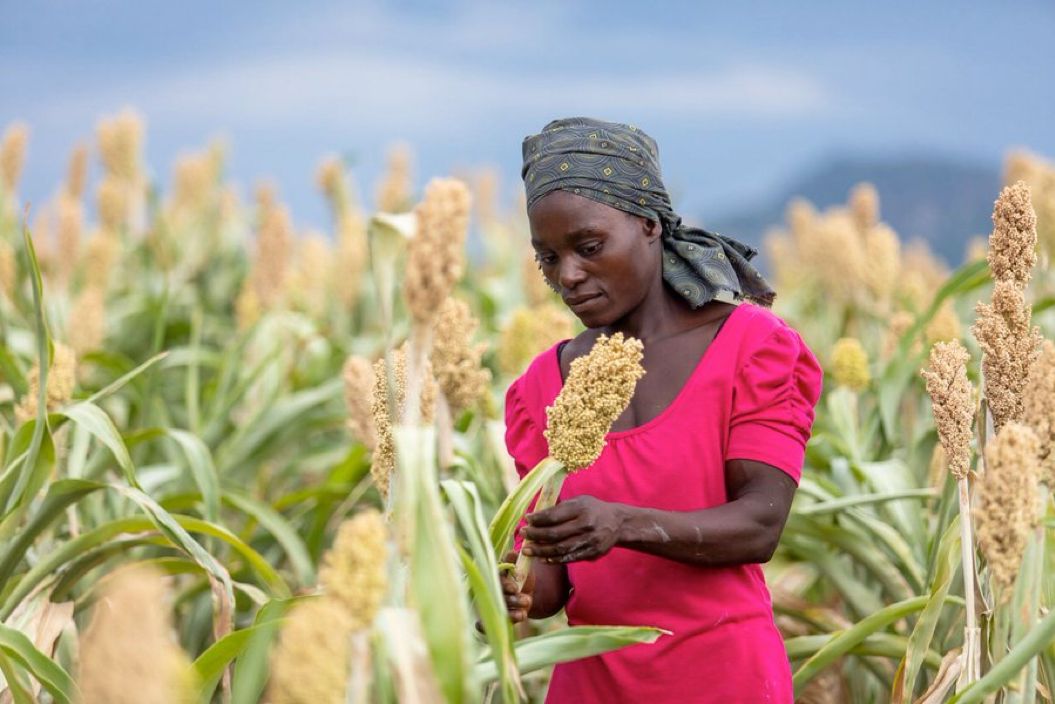
“The workshops build on previous Farming as a Business (FaaB) training and producer group profiling initiatives, aiming to support the commercialisation of priority crop and livestock value chains. These include sorghum, sweet potatoes, sesame, cattle, goats, and various small grains.
“Each dialogue will feature focused stakeholder meetings on inclusive business models and value chain coordination, demonstrations of climate-smart technologies and inputs, business-to-business (B2B) matchmaking between farmers and private sector actors, and tailored planning sessions for each Innovation Platform to map partnership pathways,” the statement reads in part.
It further adds: “As Zimbabwe continues to navigate the impacts of climate change, this initiative represents a timely and strategic effort to unlock the full potential of smallholder agriculture, accelerate the country’s transition toward a more resilient, inclusive, and market-oriented agricultural sector, and ultimately strengthen rural livelihoods.”
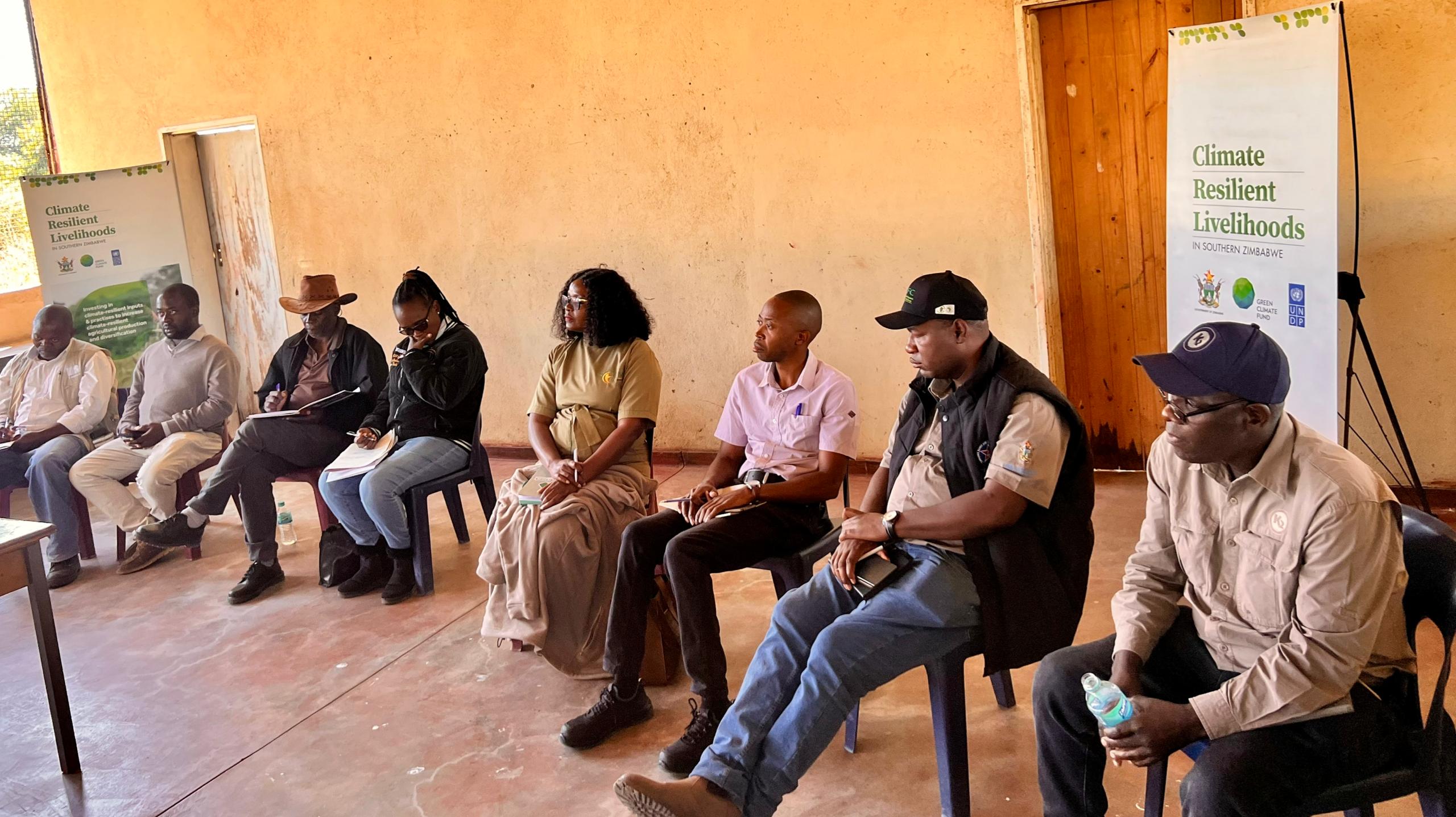
In line with this, CRL Project Manager Mr Rungano Benza explained that these dialogues are specifically designed to catalyse direct and practical linkages between smallholder producers and the private sector.
“These dialogues are designed to catalyse direct and practical linkages between smallholder producers and the private sector.
“They will allow farmers to negotiate better prices, explore market opportunities, and engage in production agreements that support climate-smart, market-led agriculture,” said Mr Benza.
These dialogues also form a vital part of the CRL Project’s broader mandate to strengthen the adaptive capacity and market participation of vulnerable rural communities in Zimbabwe’s semi-arid regions, with a particular focus on empowering women and youth.
Echoing this sentiment, Deputy Director for Markets and Trade in the Ministry of Lands, Agriculture, Fisheries, Water and Rural Development Mr Simba Mupodyi emphasised that these platforms present immense opportunities for smallholder farmers, the private sector, and government to collaboratively create market-based solutions.
He added that such collaborations are expected to foster strong partnerships capable of transforming subsistence farming into a more commercially oriented model, with follow-up actions anticipated to solidify these linkages.
More than 400 participants are expected to attend, including representatives from key government departments such as the Ministry of Lands, Agriculture, Fisheries, Water and Rural Development, the Department of Agricultural, Technical and Extension Services (AGRITEX), the Department of Research and Specialist Services (DR&SS), the Agricultural Marketing Authority (AMA), the Department of Irrigation (DOI), as well as farmer leaders from project-supported districts.


