
Theseus Mauruki Shambare in VICTORIA FALLS
SMALL-SCALE farmers have become the backbone of Zimbabwe’s tobacco industry, accounting for approximately 95 percent of growers and contributing about 85 percent of national production, in a major shift in the country’s agricultural landscape.
Agriculture, Mechanisation and Water Resources Development Minister Dr Anxious Masuka said the transformation had made smallholder farmers central to the future of the sector, which now supports close to two million people through direct and indirect livelihoods.
Addressing delegates at the 70th Congress of the Cooperation Centre for Scientific Research Relative to Tobacco (CORESTA) in Victoria Falls today, Dr Masuka said Zimbabwe had moved from a production structure dominated by a relatively small number of large-scale commercial farmers to one in which smallholders account for the overwhelming majority of growers.
“The country now have about 135 000 tobacco farmers, making investment in research, agricultural extension and appropriate technologies critical to sustaining production.
“Research institutions need to help farmers improve productivity by developing varieties suited to different agro-ecological conditions and strengthening crop management practices,” he said.
Research-station yields of up to five tonnes per hectare, he said, demonstrated the potential for improving productivity on farmers’ fields.
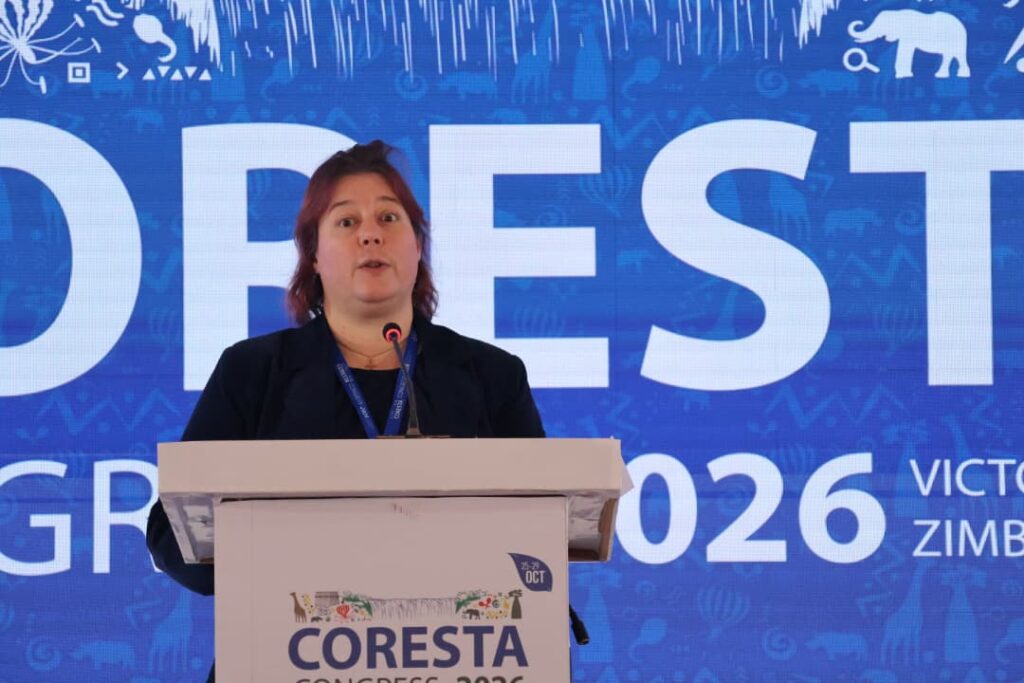
CORESTA president Helena Digard said scientific research needed to keep pace with the changing demands of agricultural production.
“Science continues to evolve at a remarkable pace. New technologies, new analytical capabilities and new questions are reshaping the way we work,” she said.
Ms Digard said international scientific exchanges offered researchers opportunities to learn from different experiences and explore new approaches to emerging challenges.
“Anniversaries are not only about looking back. They are also about looking forward,” she said, as CORESTA marks 70 years of scientific collaboration.
Kutsaga Research Board chairperson Mr Aaron Denenga said the congress provided Zimbabwe with an important platform to showcase its research capabilities and engage with international experts.
“This is something major for Zimbabwe. It has been 63 years since such a Congress has been held in this country,” he said.
Mr Denenga said more than 330 delegates from 30 countries were expected to participate in the gathering, creating opportunities for scientific exchange and international engagement.
The growing contribution of smallholder farmers has increased the importance of accessible research, effective extension services and technologies that respond to their production needs.
Sustaining the transformation will depend on farmers’ ability to access knowledge, manage production risks and maintain viable farming enterprises.
The congress is being held under the theme “Science for Sustainability and Harm Reduction in the Transforming Tobacco Landscape”.