

 Peter Tanyanyiwa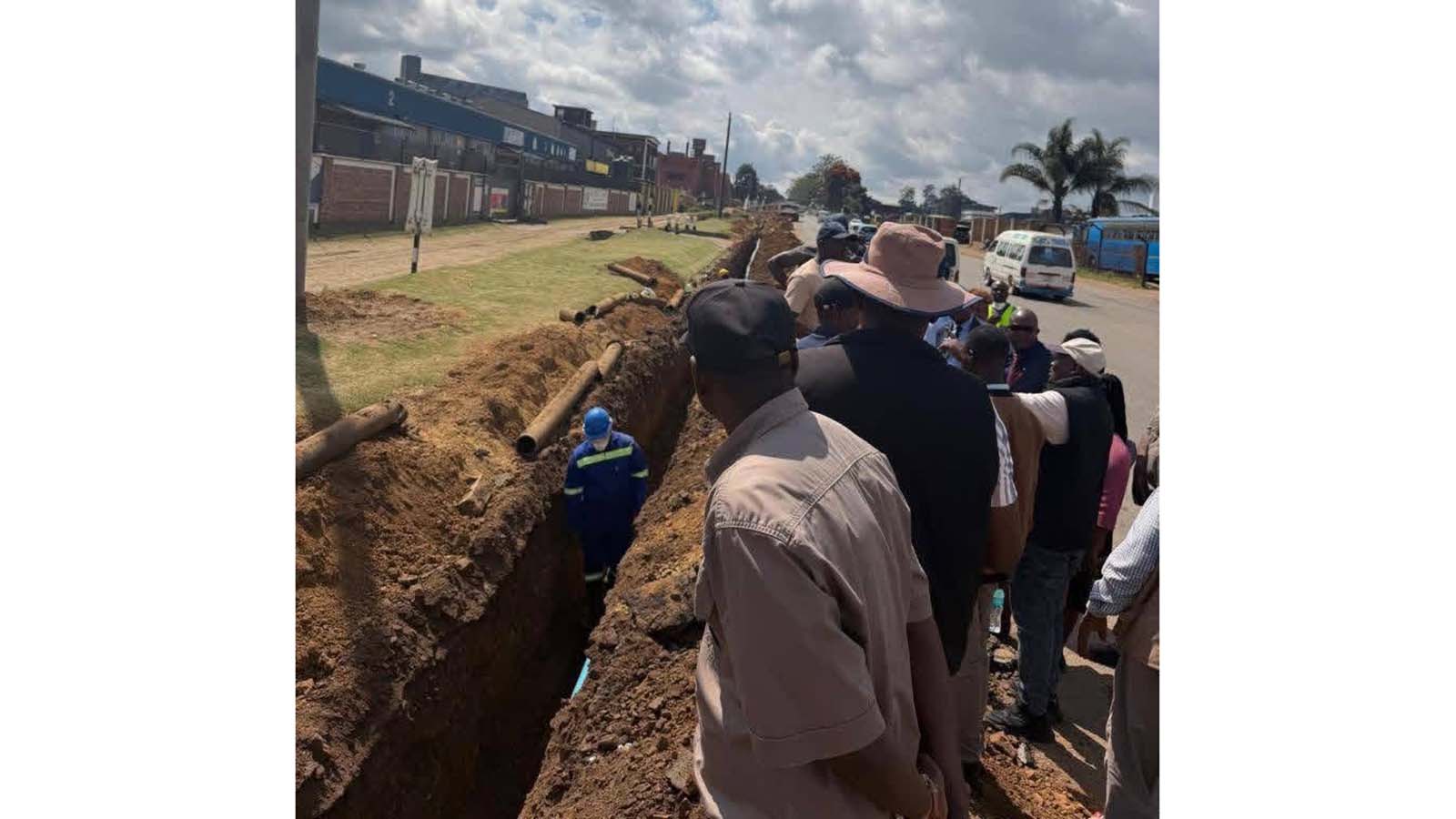
Peter Tanyanyiwa
Herald Correspondent
The ongoing modernisation of Harare’s water supply system has reached Dzivarasekwa District, with the rollout of smart water meters now underway alongside a comprehensive upgrade of the suburb’s ageing water distribution network.
The programme, being implemented by the City of Harare in partnership with Helcraw Water Pvt Ltd, is part of a broader initiative to improve water delivery, reduce losses and enhance service efficiency across the capital.
Residents in Wards 39, 40 and 45, which collectively make up the Dzivarasekwa District, are set to benefit from the installation of the new generation meters, which are designed to provide accurate, real-time water usage data while promoting accountability and conservation.
The rollout comes at a time when the city is also replacing obsolete asbestos pipes with modern PVC infrastructure and upgrading valves to improve water pressure and distribution reliability in one of Harare’s most populous residential areas.
Ward 45 Councillor Jubilation Shoko said the introduction of smart water meters into Dzivarasekwa marks a critical milestone in addressing longstanding water challenges.
“The coming in of smart water meters into Dzivarasekwa is a progressive and welcome development that will transform how water is managed in our community,” said Cllr Shoko.
“These meters will bring transparency and efficiency to water usage, while at the same time helping the city to quickly detect leakages and reduce unnecessary losses within the system.”
He said the initiative dovetails with ongoing infrastructure upgrades already underway in the district.
“As residents are aware, we have already commenced the replacement of old asbestos pipes with durable PVC pipes, as well as the installation of new valves,” he said.
“The addition of smart metering technology strengthens these efforts and ensures that the entire system becomes more efficient and sustainable.”
The works, which began in Ward 45, are currently concentrated along Robert Mugabe Way, from Dzivarasekwa Stadium towards Dzivarasekwa High School, where construction teams are upgrading key sections of the pipeline.
Cllr Shoko implored residents to embrace the developments and cooperate fully with teams on the ground.
“We are appealing to our residents to support this important programme. There may be temporary inconveniences, including disruptions to water supply schedules, but these are necessary steps towards achieving a reliable and consistent water service,” he said.
“We encourage households to store water responsibly and use it sparingly during this transition period.”
Motorists have also been urged to exercise caution in areas where excavation works are taking place, as much of the pipeline infrastructure runs parallel to major roads within the suburb.
Cllr Shoko further called on property owners with structures built on top of water pipelines to facilitate the smooth implementation of the project.
“We kindly urge all residents with temporary or permanent structures located along pipeline routes to cooperate with the teams and make the necessary adjustments,” he said.
This will allow the works to be completed efficiently and without delays, ensuring that the whole community benefits.”
The Dzivarasekwa District, situated in the north western part of Harare, encompasses a cluster of high density residential communities including Dzivarasekwa 1 to 4, Dzivarasekwa Extension, Tynwald South, Kuwadzana Phase 3 and Glaudina. The area is characterised by its working class population, established under a site and services housing model, and has evolved into a vibrant but densely populated urban zone with strong community networks and essential social infrastructure.
These localities are closely interconnected both geographically and economically, forming a significant urban district that supports a large segment of Harare’s labour force. The district continues to benefit from ongoing infrastructure development initiatives, particularly in water supply and housing, aimed at improving service delivery across its rapidly growing population.



 Online Reporter