Online Reporter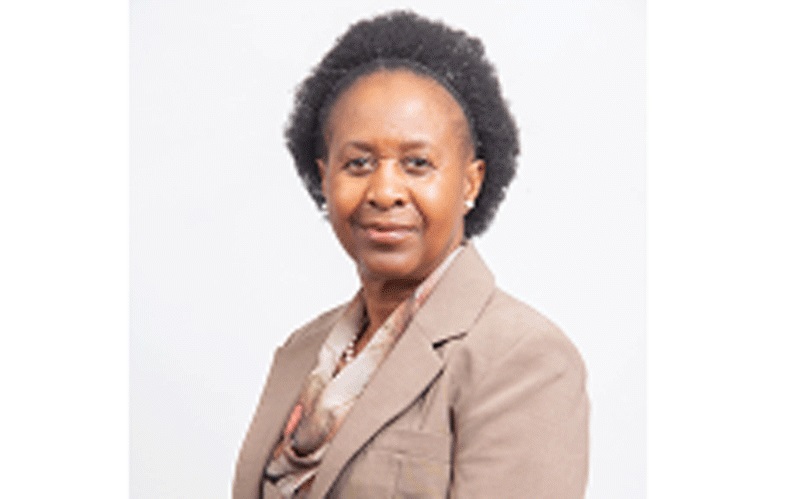
Rutendo Nyeve in Victoria Falls
THE development of robust governance structures within Small and Medium Enterprises (SMEs) has been identified as a critical catalyst for Zimbabwe’s economic recovery, with the nation’s accountancy body leading the charge in professionalising the sector.
This was revealed by the Chartered Governance and Accountancy Institute in Zimbabwe (CGAZ) President, Ms Judith Buzuzi, speaking at the ngoing institute’s 2025 Annual Conference here in Victoria Falls.
The Conference is running under the theme “Inspire, Innovate, Sustain: Charting the Course for Zimbabwe’s Economic Rebound.”
Speaking at the ongoing Governance Leadership Conference, Ms Buzuzi positioned SMEs as the bedrock of the national economy.
“SMEs are the backbone of our economy. They provide jobs for most of our people, create livelihoods for families, and embody the entrepreneurial spirit that defines Zimbabweans,” she said.
However, she noted a significant impediment to their growth.
“And yet, too often, SMEs are held back, not by lack of ambition, but by weak governance structures, poor financial systems, and limited access to markets and finance, ” he said.
To address this, Ms Buzuzi outlined the Institute’s pivotal role in empowering these enterprises.
“Our members have the expertise to provide SMEs with the governance backbone they need. We can help small businesses build proper records, manage risks, comply with regulations, and grow into enterprises that can compete not only locally but regionally and globally,” she said.
She directly linked this support to tackling national challenges.
“In doing so, we will also be tackling some of the most pressing issues facing our society rising unemployment, especially among young people. By empowering SMEs, we are creating opportunities for work, for dignity, and for hope,” she said.
Beyond the SME sector, the Institute President said there are several transformative steps the organisation is taking to remain at the forefront of professional development and directly contribute to the nation’s rebound.
“We are modernising our curriculum to align with global best practices and introducing forward-looking and relevant modules that will ensure our graduates remain equipped to lead in a rapidly changing governance and business environment,” she said.
A major focus is on embedding modern principles into the profession.
“We are embracing ESG and sustainability principles, recognising that governance professionals must lead in building resilient, ethical, and future-oriented institutions,” she said.
She highlighted a strategic collaboration with the PAFA Sustainability Centre of Excellence (S-CoE) which places CGAZ at the heart of Africa’s sustainability drive.
Digital transformation is also a key priority, with the implementation of a Learning Management System (LMS) set to expand access to education and professional development across Zimbabwe and the region.
Furthermore, Ms Buzuzi highlighted the significant success of the Accelerated Public Sector Accounting (APSA) program and the African Professionalisation Initiative (API) in professionalising public sector finance personnel.
“These initiatives, are a major contribution to strengthening accountability and transparency and ensuring the nation has a capable and ethical public finance workforce to drive reforms,” she said.
She reaffirmed the Institute’s commitment, stating that its ultimate goal is to ensure that governance and accountancy contribute directly to the well-being of our people.
She called on all members to be agents of inspiration, innovation, and sustainability for a better Zimbabwean future.