Lovemore Kadzura
Post Reporter
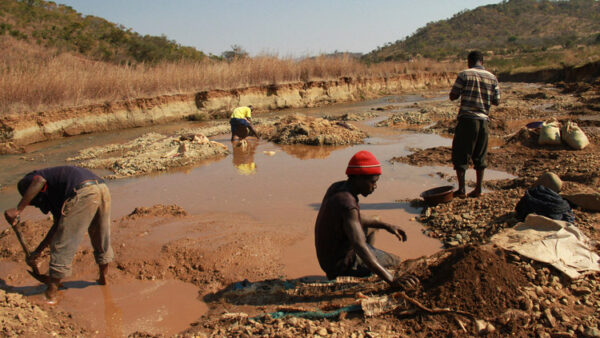
FOR decades, rural communities across Zimbabwe have endured the hardships of gravel roads — dust clouds choking the air in the dry season and deep, muddy trenches cutting off access during the rains.
These roads, often the only lifeline between villages and towns, dictated the rhythm of life in ways that were both limiting and unforgiving.
Today, a new chapter is unfolding.
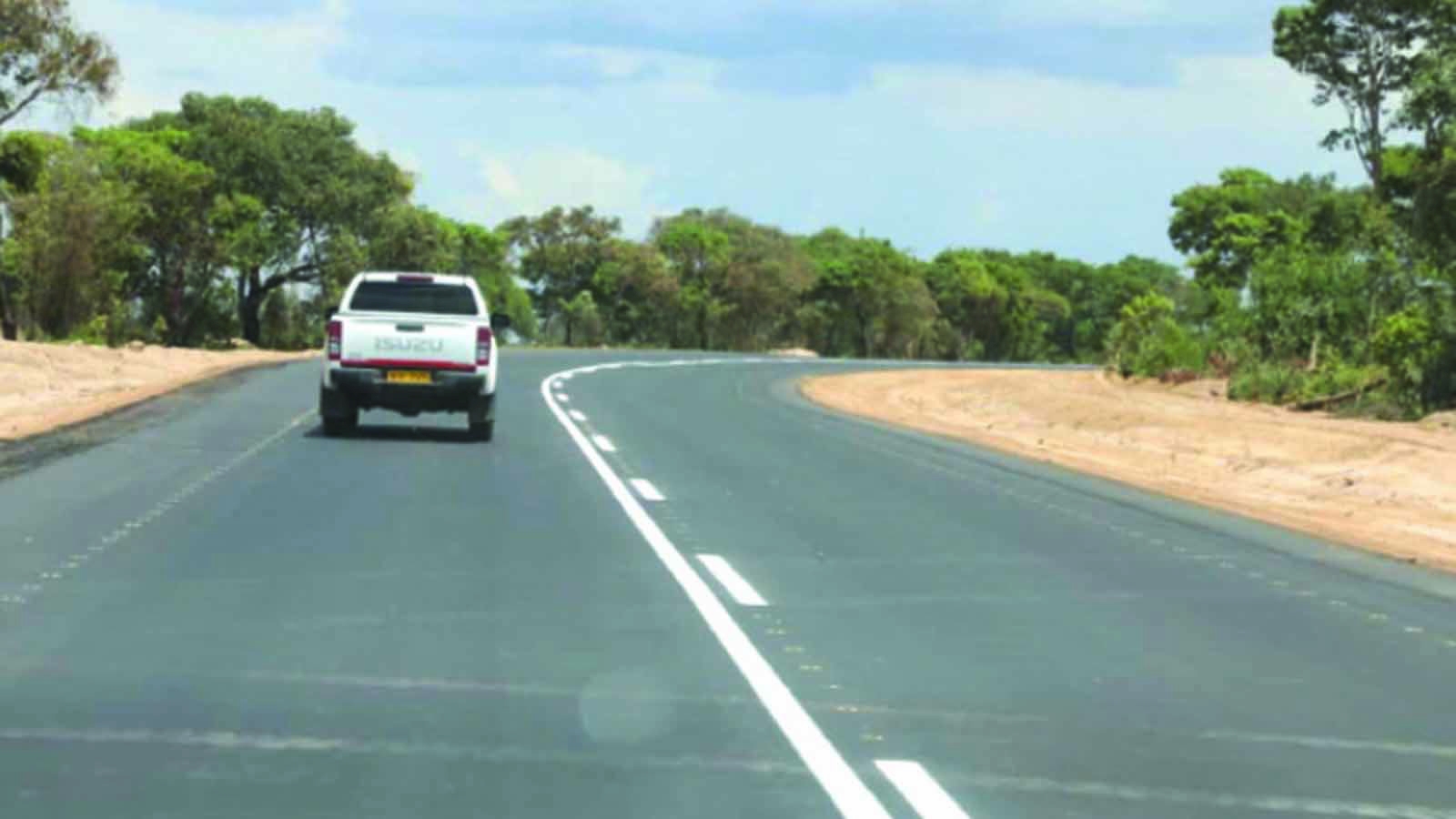
The Government’s ambitious programme to tar major rural gravel roads for the first time is reshaping, not only the physical landscape, but also the daily realities of thousands.
What were once rugged, unreliable tracks are steadily being transformed into smooth, all-weather roads, bringing improved trafficability and renewed economic hope.
For many districts, poor road conditions meant isolation.
In the rainy season, some areas became virtually inaccessible, severing communities from essential services such as health care, education, and markets. Now, with tarred surfaces, those barriers are being dismantled.
Vehicles that once struggled to pass glide through with ease, even after heavy rains.
Transport operators, who previously shunned certain routes, are returning, reconnecting communities to opportunity.
Key rural arteries—including Murambinda–Birchenough Bridge (Buhera), Chipinge–Mt Selinda, Headlands–Mayo, Nyanga–St Mary’s, Odzi–Marange, and Nyabadza–Osborne Dam—are undergoing major upgrades from gravel to tar.
This transformation echoes President Emmerson Mnangagwa’s mantra of leaving no person and no place behind in development.
Deputy Manicaland Provincial Road Engineer, Patrick Muropa, confirmed that work is progressing across the province, with contractors racing against time to meet targets. He noted, however, that the current wet spell has slowed operations.
“The Nyanga-Ruwangwe Project has reached completion on a 5km stretch upgraded to surfaced standard. Remaining work include road marking and signage. Grading of further 71km gravel section has been successfully carried out, improving mobility in the area.
“On the Murambinda-Birchenough Road, the contractor is on site with work including upgrading a 5km section to asphalt standard. Subgrade preparation is now 100 percent complete, Base One construction has reached 5km and asphalt surfacing stands at 3,5km. The Gave High Level Bridge associated with the project is approximately 78 percent complete.
“Chipinge-Chiriga-Mt Selinda Road project has achieved notable milestones. Detour construction and bush clearing are complete, while 17 culverts have been installed. Subgrade works cover 9,5km and 5km of base stabilisation has been completed. The same applies to Headlands-Mayo with detour construction complete.
“The Odzi-Marange Road involves upgrading 5km to surfaced standard. One kilometre has already been primed and is awaiting final surfacing. The St Guthrie Road is now complete with 4,5km of gravel road upgraded. The project is now complete, and is already benefiting the Fern Valley community and key institutions like Manicaland State University of Applied Sciences.
“The Makoni Road (Nyabadza-Osborne) involved upgrading 5km from gravel to surfaced road. The road now provides a vital short cut for communities travelling to Mutare and Osborne Dam, supporting both economic and recreational activities,” said Engineer Muropa.
Beyond convenience, the tarring of rural roads is unlocking new economic potential.
Farmers—who remain the backbone of rural livelihoods—are among the greatest beneficiaries.
In the past, transporting produce to markets was costly, unpredictable, and often heart-breaking.
Fresh goods frequently spoiled before reaching buyers due to delays and the poor state of roads.
Today, improved trafficability is cutting travel times and reducing transport costs, enabling farmers to access better markets and earn higher incomes.
Mr Lyton Dhliwayo, a resident of Chipinge East, welcomed the rehabilitation of the Chipinge–Mt Selinda Road, describing its previous state as “unacceptable” and difficult to navigate.
He noted that the community, under Chief Ngungunyana, has mobilised fuel to support grading work on stretches not yet covered by the contractor.
“Chipinge East is vital to the national economy as it produces macadamia nuts, avocados, fresh milk, sweet potatoes, and more. The deterioration of the main road severely affected our movements. We appealed for Government intervention, and our pleas were heard. A contractor is now on site, and this will boost businesses that were crippled by poor road conditions. The response has revived our hope and confidence. Transporting patients, including expectant mothers, was a nightmare, but with these improvements, life is becoming easier,” he said.
Small businesses are also springing up along newly tarred routes—roadside markets, shops, and service centres thriving on increased traffic flow.
Mr Taona Mupiwa, who runs a bar and general dealer at Sedze Business Centre in Nyanga South, said the tarring of the Nyanga–Ruwangwe Road has revitalised business activity.
“The tarring of the 5km stretch and gravelling of this road is a huge boost. Suppliers had stopped servicing this route because of its poor condition, forcing us to travel to Nyanga, Rusape, or Mutare for stock, which eroded profits. Now, suppliers are back, and business is improving. We applaud Government for this intervention and encourage them to extend the work when finances allow, as this road is critical for schools like Marist Nyanga, Mt Mellary, and St Mary’s Magdalene, as well as small-scale potato farmers who rely on it,” he said.
Emergency services are also benefiting.
Ambulances can now reach patients faster, and referrals to larger hospitals are more feasible—often making the difference between life and death.
The rural road upgrade programme reflects a broader recognition of infrastructure as a cornerstone of national development.
By prioritising previously neglected areas, the Government is bridging the gap between rural and urban communities.
Improved road networks are enhancing connectivity, facilitating trade, and supporting sectors such as agriculture, tourism, and small-scale manufacturing.
For many citizens, the transformation is both practical and symbolic.
It represents recognition, investment, and the promise of a better-connected future. With each kilometre of tarmac laid, rural Zimbabwe is steadily finding its way forward—one smoother kilometre at a time.
Smooth roads, stronger rural economy