Online Reporter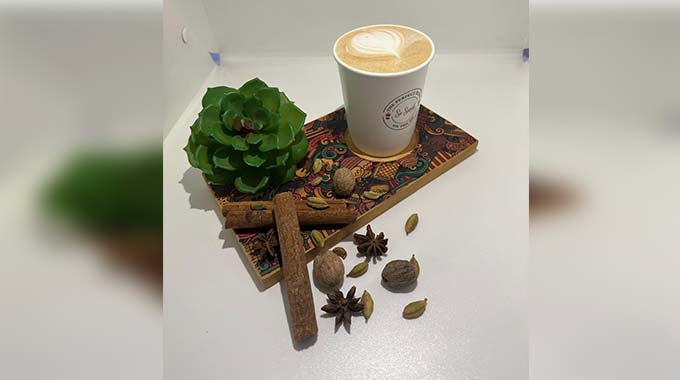
So Sweet
ACROSS the coffee shops of the modern world and the cosy cafés of urban cities, the familiar warmth of a Masala Chai latte has become a ubiquitous comfort. Yet, far from being a modern invention, this aromatic, spiced tea boasts a rich and fascinating history, stretching back millennia to its origins in the Indian subcontinent. Its journey from an ancient medicinal concoction to a beloved global beverage is a testament to its enduring appeal and adaptability.
The story of chai, or “tea” in Hindi, begins long before the British East India Company introduced tea cultivation to India in the 19th century. Ancient Ayurvedic texts speak of a spiced, non-caffeinated drink used for medicinal purposes. This early iteration was a herbal infusion, often containing ginger, cardamom, cloves, and other indigenous spices, brewed with water. It was consumed for its purported health benefits, aiding digestion, boosting energy, and warding off ailments. Milk and sugar were not integral to this early brew; its purpose was purely therapeutic.
The true turning point in chai’s evolution came with the advent of tea plantations in India during the colonial era. Faced with an abundance of tea leaves and a desire to stimulate domestic consumption, British tea companies began promoting tea drinking to the Indian populace. However, the initial uptake was slow due to the cost of tea leaves and the prevailing habit of consuming herbal infusions.
It was the enterprising Indian vendors, known as “chaiwallahs”, who ingeniously fused the new commodity with existing culinary traditions. To make the tea more affordable and appealing, they began adding generous amounts of milk, sugar, and, crucially, the very same spices that had been used in the ancient Ayurvedic brews. This not only stretched the tea but also created a flavour profile that resonated deeply with local palates. The “masala” — a blend of spices — typically included green cardamom, ginger, cloves, black pepper, and cinnamon. Other regional variations might incorporate star anise, nutmeg, or even bay leaves, each adding its unique aromatic complexity.
This innovative blend quickly took hold, becoming a staple in Indian households and an ubiquitous offering on street corners, railway platforms, and marketplaces. Chaiwallahs became an intrinsic part of the social fabric, providing not just a drink but a moment of connection and rejuvenation. The preparation became a performance: the rhythmic clang of pots, the vigorous stirring, and the theatrical pouring from a height to create froth.
The post-colonial era saw Masala Chai continue its ascent within India, becoming deeply ingrained in the national identity. Its global journey, however, largely commenced in the late 20th century. As Indian diaspora communities spread worldwide, so too did their culinary traditions. Indian restaurants introduced Masala Chai to a wider audience, initially as an accompaniment to meals.
The real explosion in its popularity came in the 1990s, particularly in Western countries. Health trends and a growing appreciation for exotic flavours led to Masala Chai being embraced by cafes and coffee chains. Often adapted to Western tastes, these versions sometimes feature more milk, less sugar, and a milder spice blend than their Indian counterparts, frequently using a pre-mixed spice powder or syrup. While purists might argue about the authenticity of these adaptations, they undeniably played a crucial role in introducing the drink to a mass market.
Today, Masala Chai continues to evolve. From ready-to-drink cartons to chai-flavoured ice creams and desserts, its flavour profile has permeated various food and beverage categories. Despite these modern interpretations, the essence of Masala Chai remains rooted in its heritage: a comforting, aromatic brew that warms the soul and invigorates the senses. It stands as a delicious testament to cultural exchange, ingenious adaptation, and the enduring power of a simple, yet profound, beverage.