


 Online Reporter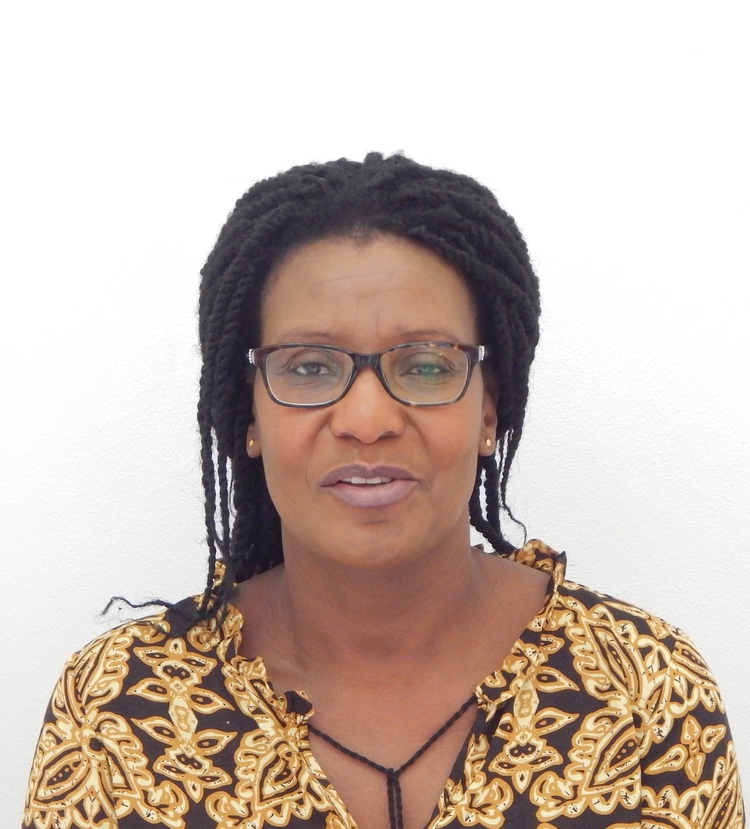
Disability Issues
Dr Christine Peta
DESPITE its many benefits — like enhanced communication, networking and knowledge sharing — the growing use of social media is emerging as a significant global health challenge.
It is contributing to new mental, physical and visual disabilities, and even worsening existing ones.
Problematic social media use manifests in various ways, often through excessive time spent on platforms, leading to a range of negative consequences.
Prolonged screen time, reduced blinking, focusing on close-up screens and blue light exposure can all contribute to eye discomfort, headaches, blurred vision and potentially worsen existing vision problems.
Late-night social media use can disrupt sleep patterns, aggravating mental health issues and making it harder to manage stress and maintain emotional well-being.
Over-reliance on online communication can reduce face-to-face connections, leading to feelings of loneliness, anxiety, depression and low self-esteem.
For some, social media use develops into an addiction, resulting in compulsive behaviours that prioritise online activities over essential life responsibilities and relationships.
Neglecting real-life tasks can lead to feelings of failure or unfulfillment, especially in work or academic settings.
The constant comparison with idealised representations of others online can trigger feelings of inadequacy and create a cycle of negative self-perception, impacting overall mental well-being.
Engaging in activities like cyberbullying or consuming inappropriate content can also have harmful consequences for mental health.
The spread of misinformation and a lack of privacy further compound these negative impacts.
Depending on the number of platforms visited, time spent, type of gadget used and one’s posture, problematic social media use can also contribute to physical disabilities related to poor posture or repetitive strain injuries (RSIs).
RSIs often occur in body parts used for repetitive motions, such as wrists, hands, forearms, elbows, shoulders and the neck, due to constant stress on tendons, nerves and muscles.
If severe or left untreated, RSIs can cause chronic pain, loss of function and limitations in daily activities or work, potentially leading to physical disability.
Way forward
Preventing problematic social media use and its associated mental and physical disabilities, as well as vision loss, requires a multi-faceted approach.
Set time limits for social media use and avoid excessive scrolling.
Likewise, turn off non-essential notifications that lure you back online. Unfollow accounts that do not bring you joy or value; instead, follow positive, motivating accounts.
You also need to practise good self-care by prioritising eye care habits, rest and physical therapy, and make ergonomic adjustments to your workspace.
Question the curated realities presented on social media, remembering that not all lifestyles portrayed online are genuine.
Learn to balance online and offline time by nurturing and strengthening real-world relationships and interactions.
Also, engage in mindfulness practices and self-care activities.
If problematic social media use becomes compulsive or uncontrollable, seek medical intervention or counselling from professionals specialising in internet addiction or behavioural
issues.
Early diagnosis and treatment are crucial.
By adopting these strategies, individuals can mitigate the negative health impacts of social media and ensure it remains a beneficial tool rather than a detriment to their well-being.
Dr Christine Peta is a disability, public health, policy, international development and research expert. She can be contacted on: developafrica2020@ gmail.com



 Bongani Ndlovu
 Online Reporter