

 Online Reporter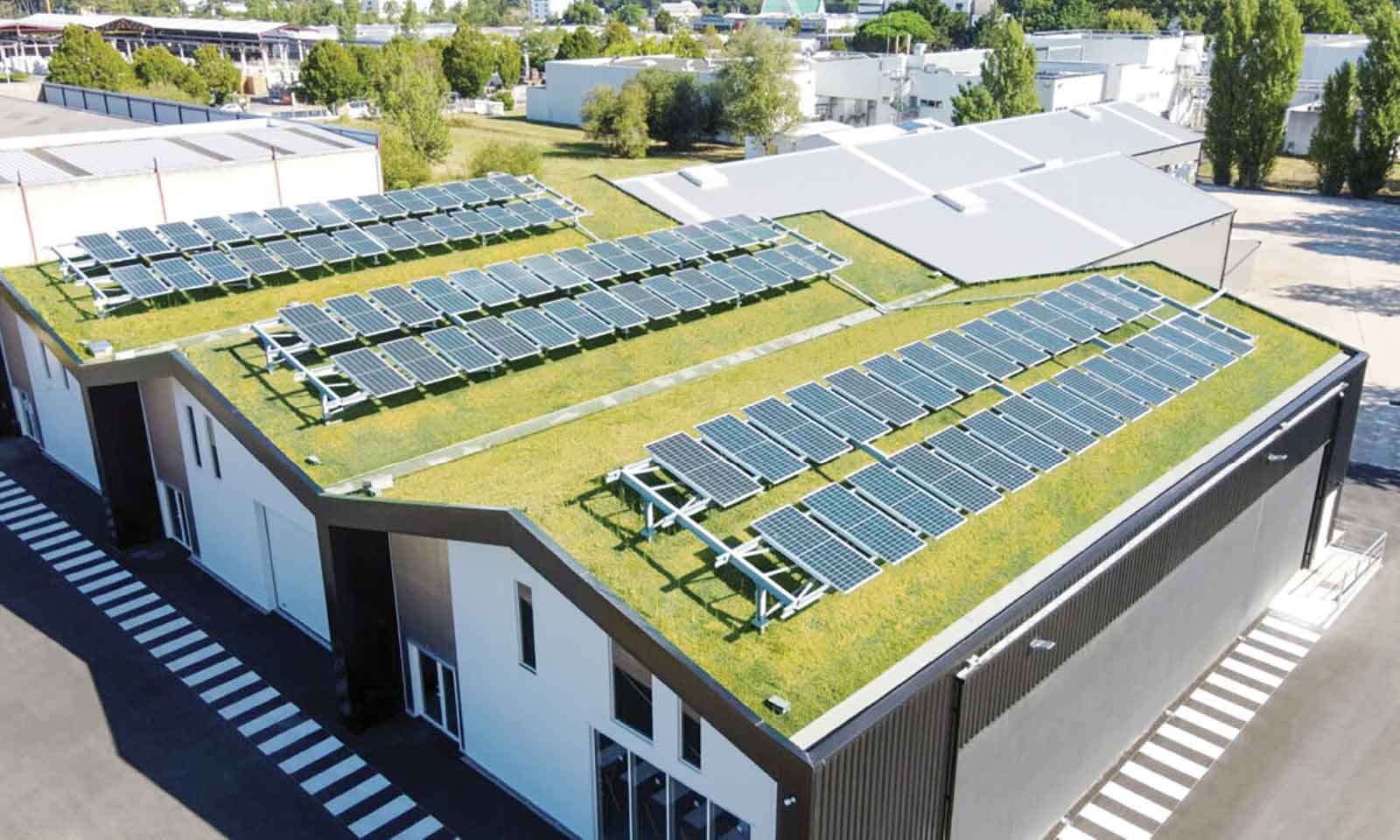
William Tatenda Duri
Correspondent
AS Zimbabwe grapples with rising temperatures, erratic rainfall, and prolonged power outages, an innovative solution is taking root,not on the ground, but on our rooftops.
The integration of solar panels with green roofs,living layers of vegetation installed atop buildings, offers a dual remedy to some of our most pressing urban challenges: energy insecurity, climate vulnerability, and biodiversity loss.
For a country like Zimbabwe, where over 60 percent of the population is projected to live in cities by 2030, this nature-based, technology-enhanced approach could transform how we build resilience in the face of a warming world.
Harare, Bulawayo, and other urban centres are increasingly feeling the heat, literally. The past decade has seen record-breaking temperatures, with summer days regularly exceeding 35°C.
At the same time, the city’s aging infrastructure buckles under the strain: load-shedding remains a daily reality, storm water systems overflow during intense rains, and concrete-dominated landscapes absorb and radiate heat, creating dangerous urban heat islands.
Compounding this, Zimbabwe’s biodiversity is under threat. Urban expansion has paved over grasslands, wetlands, and indigenous flora, pushing pollinators like bees and butterflies to the margins. The 2023 State of Zimbabwe’s Environment Report warned that habitat fragmentation in cities is accelerating species decline,just when ecosystems are needed most to buffer against climate shocks.
Enter the solar green roof: a hybrid system that combines photovoltaic (PV) panels with a shallow layer of drought-tolerant plants, soil, and drainage.
At first glance, it might seem counterintuitive,won’t plants shade the panels and reduce efficiency? In fact, research shows the opposite.
The plants cool the air around the panels through evapotranspiration, boosting solar efficiency by up to 10 percent. Meanwhile, the panels provide partial shade for the vegetation, reducing water loss and creating microhabitats for insects and birds.
For Zimbabwe, this synergy is transformative. Imagine Government buildings, schools, shopping malls, and even low-cost housing estates fitted with these dual-purpose roofs.
Each installation would simultaneously: Generate clean electricity, reducing reliance on fossil-fuel-heavy imports and easing pressure on ZESA; Lower indoor temperatures, cutting air-conditioning needs and energy bills,critical in a city where many cannot afford cooling;
Absorb storm water, lessening flood risks during Harare’s increasingly intense downpours; Support native plants and pollinators, reconnecting fragmented urban ecosystems; Sequester carbon, both in plant biomass and urban soils.
This isn’t just theory. Pilot projects in South Africa, Kenya, and Rwanda have demonstrated that green solar roofs can thrive in Southern and East African climates using locally adapted species like Sedum, Portulacaria afra (spekboom), and indigenous grasses.
In Zimbabwe, researchers at the University of Zimbabwe and the Scientific and Industrial Research and Development Centre (SIRDC) have begun testing similar systems in controlled environments.
Moreover, Zimbabwe already has the policy groundwork. The National Climate Policy (2022) prioritises “nature-based solutions” and “decentralised renewable energy.”
The recently launched Harare City Climate Action Plan identifies urban greening and solar adoption as key strategies. What’s missing is integration,and investment.
Critics point to upfront costs as a major hurdle. While true, the long-term savings tell a different story. A solar-green roof may cost 15-25 percent more than a conventional roof, but lifecycle analyses show payback within 7-12 years through energy savings, extended roof lifespan (green roofs protect waterproofing membranes), and reduced stormwater management costs.
Public-private partnerships could accelerate adoption. Imagine a “Green Roof Incentive
Scheme” where businesses receive tax rebates for installing integrated systems. Or donor-funded retrofits for public hospitals and schools, improving both climate resilience and learning environments.
Zimbabwe’s abundant sunshine (averaging 2 871 hours annually) and growing solar industry make the timing ideal.
Community engagement is equally vital. Urban gardening groups, youth climate clubs, and traditional healers,who often rely on native plants,could co-manage rooftop ecosystems, fostering stewardship and creating green jobs in maintenance, horticulture, and installation.
Beyond function, there’s poetry in this idea: turning barren rooftops into living, breathing landscapes that generate power and shelter life.
In a city such as Harare,once called the “Sunshine City” for its tree-lined avenues,this could mark a renaissance of urban design that honours both innovation and ecology.
As Zimbabwe prepares its next Nationally Determined Contribution (NDC) under the Paris Agreement, integrated solutions like solar-green roofs should be front and centre. They embody the kind of “win-win-win” thinking the climate crisis demands: cutting emissions, adapting to impacts, and protecting biodiversity,all from the same square metre of urban space.
The rooftops of Zimbabwe need not be wasted space. They can be sites of regeneration, of energy, ecology, and hope. With vision, collaboration, and a little soil, our cities can rise not just to survive climate change, but to thrive within it.
Willard Tatenda Duri can be contacted on 0719411601/ email:[email protected]. He writes in his personal capacity



