admin
admin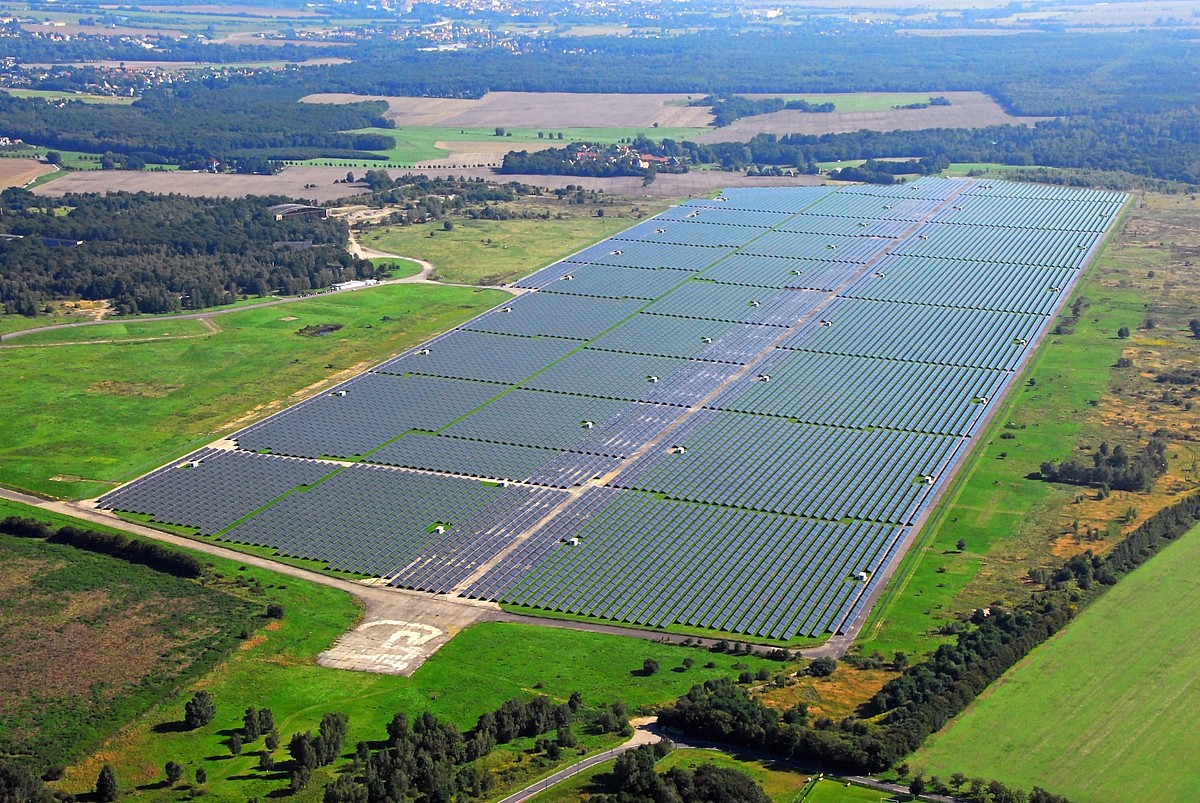

Dr Gatsha Mazithulela
IN one of the earliest advertisements for industrialists to set up businesses in Bulawayo, as shown in this column last week, sunshine was mentioned as one of the attractions of this industrial destination. While the prospect of almost unlimited sunshine may be a huge attraction for someone from Europe as advertised at the time, we know that weather that is associated with hot sunshine is also an Achilles heel to the development of this City — drought, a most feared word around here.
During the industrialisation of Bulawayo or even after independence in the 1980s technology had not moved to the point where there was any real use for sunshine other than for essential biological processes.
The case is very much different today, as sunshine has become a major input for the production of electricity — in megawatt quantities.
This week I will reveal some issues around production of electricity using this unlimited sunshine that we enjoy and often despise here in Bulawayo.
Those who have travelled to northern Europe will forever remember cloudy days and light but often without seeing the sun.
This is especially true for Germany, the world’s largest producer of solar power into its grid.
In December 2012 Germany could produce 32,2 gigawatts of electricity from solar panels direct into its national electricity grid.
Germany has plans to have solar power generation capacity providing 25 percent of its electricity by 2020 and according to the The Heinrich Böll Foundation, a Green thinktank, 100 percent by 2050.
So far the major solar power plants that have been constructed in Germany are Senftenberg Solarpark, Finsterwalde Solar Park, Lieberose Photovoltaic Park, Strasskirchen Solar Park, Waldpolenz Solar Park, and Köthen Solar Park. There are dozens more of such plants on the drawing board or under construction.
The facts on this paragraph alone should have started to embarrass us by now. How can a country that is famous for poor sunshine relative to most of Africa produce so much solar power? How can they dare to think about having all their electricity coming from solar power by 2050 when they don’t have any sunshine compared to us?
The truth is that they will do it because they have planned for it. It will happen because they have dared to push the boundary of what is possible and he who dares, wins. Even the Washington Post of 5 May, 2007 commented almost in disbelief, “Cloudy Germany, a Powerhouse in Solar Energy”.
The major limiting factor for the efficiency of solar panels has been the efficiency of converging photons into electricity and there are numerous technical obstacles in physical chemistry, physics, electronics etc and they are beyond the scope of this column.
What is important to point out is that research and development and the chase for the Holy Grail in converting light to electricity has been designed for countries with FAR LESS sunshine than that which we enjoy.
In my travels through the top research and development facilities across the world, I have always felt a bit stupid when my colleagues have asked why we are not producing solar energy into our grid, for all our needs, since they would love to be in a situation where the amount of sunshine is not a major variable.
Zimbabwe enjoys about double the amount of sunshine that Germany receives and Germany used its half to produce 18 TWh (billion kilowatt-hours) in 2011. The sunshine that we enjoy here is like being in heaven for a solar power engineer.
It is a fact that there were many situations beyond the control of our engineers and planners that have prevented the development of such a capability here but there are some strides to correct this matter. The deregulation of electricity production and distribution is now provided for in the Electricity Act and a regulatory authority with a very competent Eng Magombo is now in place to ensure that we are not left behind in solar energy (in addition to other forms) for lack of administrative and regulatory capacity. However, what remains rather shocking is the low level of uptake in the business of production of solar energy in a large scale.
I wonder what is stopping the business people of Bulawayo, the engineers, City Council and others from taking the opportunity of creating a vision for using this abundant sunshine to produce our electricity or even all our electricity.
Such a plan would create a brand new industry that is bigger than any industry that we have ever seen in this city. If it develops into a centre of excellence for this technology, the income to be derived from manufacture and export of components and even the electricity itself is unimaginable.
I cringe when I think of the cries of foul play that we will have when somebody from outside this place dares to invest and build a large scale solar power plant in Bulawayo and sells us the electricity! Who would have marginalised us out of what can potentially be the biggest industry Bulawayo has ever seen? Whose fault would it be that we are scorched by this sunshine, even in winter, and yet we don’t have a plan on how to change this God’s gift into electricity and jobs?
At the beginning of this series of articles a few weeks ago, I wrote about the need for a long term plan that envisions the creation of new industries based on sustainable competitive advantages, geographic and even comparative advantages in our choices. Japan looked worse than our rural areas at the end of world war Two but using these simple rules, they drove their economy into what it is today within 50 or so years.
As we rebuild after the devastating sanctions, let us not forget to Think Big as Dr Joshua Mqabuko Nkomo once told us. We need an integrated energy or industrial plan or roadmap daring to place us at the head of the solar energy table. Without daring to do this, it will not happen. In the precision of science, we say that what isn’t on the plan, won’t happen, what isn’t written won’t be approved, what can’t be measured does not exist and the loop starts again. We have to dare to do this for he who dares may win. Let’s imagine a future where we have more electricity than we need, and the only input besides the hardware is sunshine and we already have more than enough for everybody. More importantly, can someone fold up his or her sleeves and just do it?
Dr Gatsha Mazithulela is a Bulawayo based academic and researcher. He writes in his personal capacity. For feedback he can be contacted on [email protected]


 Online Reporter