Online Reporter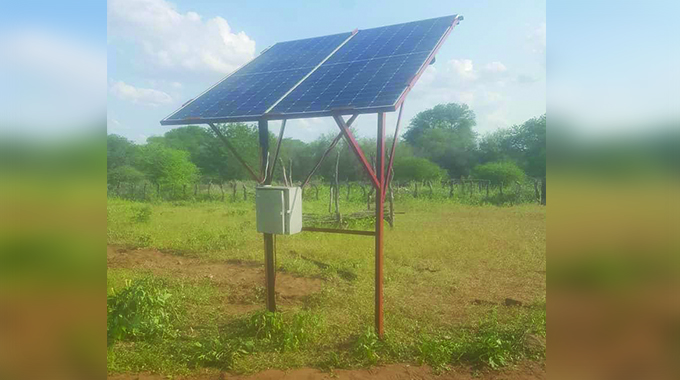
Sukulwenkosi Dube-Matutu, [email protected]
OVER 200 households in the Mnyabezi area of Gwanda have benefitted from a solar-powered borehole project, implemented by the Edward Ndlovu Memorial Trust in partnership with the Highlife Foundation.
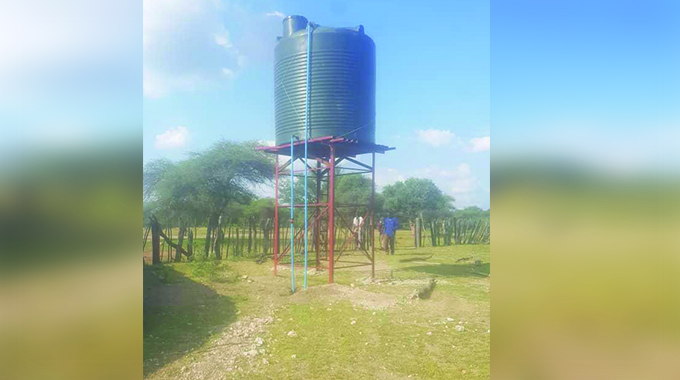
As part of the initiative, a 10 000-litre water storage tank has been installed, along with pipelines to supply water to community taps, including those at the business centre and a local dip tank.
The original manually operated borehole, installed over 70 years ago, frequently broke down, creating major challenges for villagers. The local water committee was often forced to ration water to ensure fair distribution. Additionally, community members had to fill the dip tank using buckets — a particularly strenuous task for the elderly.
Villagers have welcomed the upgrade, saying it has brought much-needed relief, especially for women, who previously spent long hours queuing for water.
“The project has significantly reduced the time we women and our children spend collecting water. We can now focus on other chores, and our children no longer miss school due to water collection duties.
“We now simply open the taps and get our water. Previously, we would spend hours queuing, and sometimes the borehole would run dry, forcing us to wait for hours for it to refill. It was a nightmare. Even dipping our livestock was a challenge, as we had to fetch water in buckets to fill the dip tank,” said Mrs Gracious Ncube, a local resident.
The solar-powered system has also enabled the development of nutritional gardens, helping to improve local diets and create income-generating opportunities.
Mnyabezi Village Head, Mr King Moyo, described the solarised borehole as a major development for the community and said plans were underway to extend the water supply to the business centre.
He added that residents now have sufficient water for both domestic use and livestock, and that regular dipping of animals has improved, helping to protect herds from disease.
Edward Ndlovu Memorial Trust Director, Mr Michael Moyo, said the project involved the procurement and installation of solar-powered submersible pumps, solar panels, water pipelines and storage tanks. The community was also trained on the operation and maintenance of the infrastructure.
“Our research revealed that the borehole was first established more than 75 years ago and currently serves a population of over 1,000 people and 620 cattle. Before this intervention, the ageing hand pump system could no longer meet the community’s growing water needs.
“People spent considerable time and energy pumping water for domestic and livestock use, as well as for the dip tank. The project was successfully implemented within two months, with active participation from the community,” he said. — @DubeMatutu