Online Reporter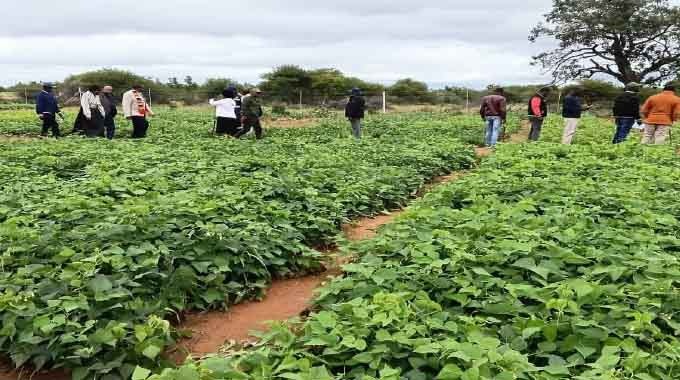
Gibson Mhaka
THE first light of dawn in Mhlasi Village, Ward 21 in Kezi, Matabeleland South Province used to signal yet another exhausting race against time for Mrs Zibonele Ncube — a daily struggle etched into the rhythms of life in one of Zimbabwe’s driest regions.
Rising at 4am, she would set out on a long trek in search of water, often accompanied by her young daughter before the child could even prepare for school.
In a landscape defined by erratic rainfall and recurrent droughts, the search for water was not just a household chore but a survival strategy in a community perched within Natural Regions Four and Five, where climate shocks are frequent and unforgiving.
“We used to wake up very early in the morning, sometimes around 4am, to walk long distances to fetch water,” Mrs Ncube recalled.
“I could not let my child go alone because I feared for her safety, so she had to accompany me before going to school.
“It was exhausting and stressful, and we had no time or energy to do anything else.”

Her experience mirrors that of many rural households in Mhlasi Village about 10km from Kezi Service Centre, where women and girls bear the brunt of climate-induced water scarcity, sacrificing education, productivity and safety in the process.
But that narrative is beginning to shift.
The commissioning of the Mhlasi Village Community solar-powered borehole and one-hectare nutritional garden is being hailed as a turning point, not just in easing water shortages, but in building climate resilience in a region long defined by aridity.
Funded by the Securities and Exchange Commission of Zimbabwe (SecZim) in partnership with Arctic Blue Asset Management, the project is designed to provide clean, reliable water to approximately 432 households while enabling sustainable food production through climate-smart agriculture.
At its core is a 65-metre-deep borehole powered by solar energy — a deliberate move away from conventional energy sources to a renewable, low-maintenance system capable of withstanding the uncertainties of climate change.

The installation includes a submersible pump, a 10 000-litre storage tank and multiple water points to ensure equitable access for both domestic use and irrigation.
In such fragile environments, access to sustainable water systems powered by renewable energy is increasingly becoming a critical adaptation tool, reducing vulnerability to climate shocks while easing pressure on natural resources.
By shortening distances to water sources and ensuring consistent supply even during dry spells, solutions like solar-powered boreholes help communities shift from survival mode to resilience-building.
Beyond immediate water access, the use of solar energy underscores a critical link between renewable energy and environmental sustainability.
By harnessing sunlight, an abundant resource in Matabeleland South, the project reduces dependence on fossil fuels, lowers carbon emissions and minimises operational costs.
This not only makes the system environmentally friendly, but also ensures long-term reliability in remote areas where electricity infrastructure is limited, reinforcing community resilience against climate change.
For communities accustomed to watching seasonal rivers dry up and open water sources vanish under the harsh sun, the significance of a dependable, solar-powered water system cannot be overstated.
“This constituency is largely Natural Region Four and Five, characterised by water challenges,” said one of the beneficiaries Mr Mthoniselwa Maphosa.
“Open water sources quickly run dry and this affects our livestock. We are confident that this project will also benefit our livestock, as many people lost cattle and goats due to the water crisis compounded by the El Niño-induced drought.”
“We are therefore encouraged by the adoption of solar energy, which is abundant in our region.
“With the sun available throughout most of the year, this technology gives us a reliable and sustainable way to access water without depending on electricity or fuel, making it a lasting solution to our challenges.”
The integration of a nutritional garden alongside the borehole further strengthens the project’s climate resilience credentials.
With irrigation now possible throughout the year, villagers can grow drought-tolerant crops such as sugar beans, ensuring food security even in poor rainfall seasons.
Mrs Dorcas Ngwenya, another beneficiary, said the garden represents a pathway to both nutrition and income generation.
“We are confident that the project is going to leave us financially independent,” she said.
“We grow sugar beans, tomatoes, peas, vegetables and we are looking forward to harvesting and getting money to send our children to school.”
Ward 21 Councillor Bhekisisa Moyo said the benefits of the project extend beyond the 45 direct participants in the garden.
“People are happy — their livestock have also benefitted and even those who are not part of the nutritional garden are accessing water from the taps installed,” he said.
“The garden will improve nutrition at household level, while surplus produce can be sold, boosting incomes.
“It is also encouraging teamwork and knowledge-sharing among villagers on modern farming methods.”
He noted that the availability of water throughout the year would allow communities to transition from rain-fed subsistence farming to more reliable, irrigated production — a key adaptation strategy in drought-prone regions.
Traditional leader Chief Nyangazonke said the project had come at a critical time, as communities grappled with the combined effects of climate change and economic challenges.
“Unavailability of water has been a major stumbling block in our area,” he said.
“As you know, we are in the rural areas where farming is key, but this was impossible due to lack of water sources close by.”
“The introduction of solar energy is now changing that reality, as it provides a reliable and cost-effective way to pump water for both irrigation and domestic use.
“This will not only improve agricultural production but also strengthen livelihoods by enabling year-round farming and reducing dependence on erratic rainfall.”
Beyond agriculture, Chief Nyangazonke highlighted the project’s potential to address social challenges exacerbated by climate stress.
“Our youths here have been caught in drug and substance abuse, partly because they have nothing to occupy them,” he said.
“As this project takes shape, we are confident it will help fight that by keeping them engaged in productive activities.”
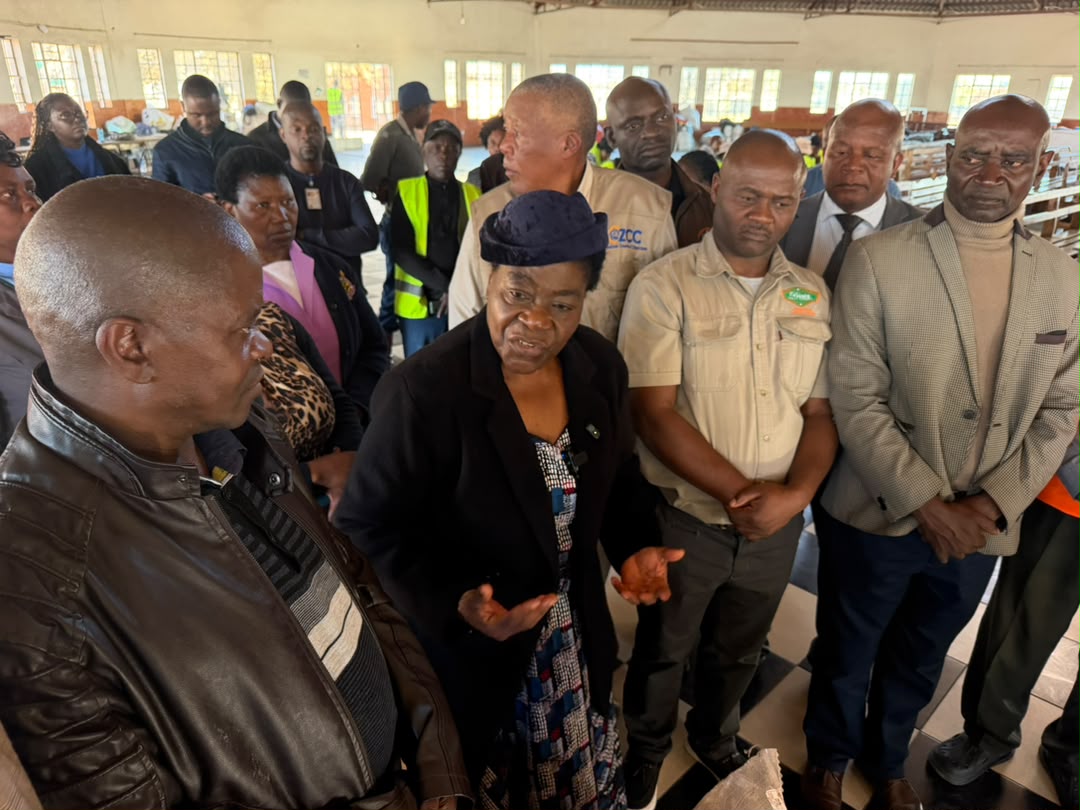
Speaking at the commissioning ceremony, Finance, Economic Development and Investment Promotion Minister Professor Mthuli Ncube said the initiative exemplifies how targeted investments can strengthen community resilience to climate shocks.
“Matobo North, like many parts of Zimbabwe, has borne the brunt of the El Niño-induced drought of 2024, compounded by the arid nature of this region,” he said.
“The impact was particularly felt by women and girls, who carried the heaviest burden of water shortages.”
He said the project was part of a broader national effort to ensure no community is left behind in the face of climate change.
“This borehole, equipped with a solar-powered pump, two water tanks and taps, will serve approximately 432 households, bringing an end to the long hours spent fetching water,” said Prof Ncube.
“Water is the pillar of development. Water is life.”
“The adoption of solar energy in initiatives such as this is a clear demonstration of climate adaptation in action, as it harnesses a clean and reliable resource to improve people’s lives.
“It ensures that even in the most remote and arid areas, communities can access water sustainably, support agriculture and build resilience against future climate shocks,” he said.
He added that the initiative aligns with the Government’s focus on Environmental, Social and Governance (ESG) principles, which emphasise sustainable and inclusive development.
For SecZim, the project represents a shift from traditional regulatory roles to a more holistic approach that links financial systems with community needs.
Speaking on behalf of the Commission, board chairman Professor Mabutho Sibanda said the borehole project is part of a drought mitigation strategy targeting vulnerable communities across Zimbabwe.
“The project utilises solar panels to power submersible pumps, providing a sustainable and low-maintenance energy source,” he said.
“It is designed to improve livelihoods, support climate adaptation and ensure that development reaches communities that need it most.”
Prof Sibanda said the initiative also reflects growing collaboration within Zimbabwe’s capital markets.
“This partnership with Arctic Blue Asset Management demonstrates that our financial sector can go beyond financial returns to deliver human returns,” he said.
“We believe that strong capital markets should ultimately benefit communities such as Mhlasi.”
Back in the village, the impact is already tangible.
Where once mornings were defined by long, uncertain journeys for water, they are now marked by activity in the nutritional garden — rows of green crops standing in defiance of the dry landscape.
The transformation is underpinned by renewable energy, whose solar-powered systems are now driving sustainable water access and enabling communities to adapt to climate change with cleaner, more reliable solutions.
Mrs Ngwenya, now among 45 direct beneficiaries — including women, youth and elderly community members — says the project has restored both dignity and hope.
“We now have water close to home, and we can grow our own food,” she said. “Life has changed.”
In a region where climate change continues to test resilience, the Mhlasi solar-powered borehole and nutritional garden offers a model of adaptation, combining renewable energy, water security and sustainable agriculture to build a future less dependent on the mercy of the rains.
For Mhlasi Village, it is more than infrastructure.
It is a lifeline and a blueprint for surviving, and thriving, in a changing climate and a testimony to how renewable energy can transform lives in rural areas, particularly those that are arid such as Matabeleland South, where sunshine is abundant throughout most of the year.