Online Reporter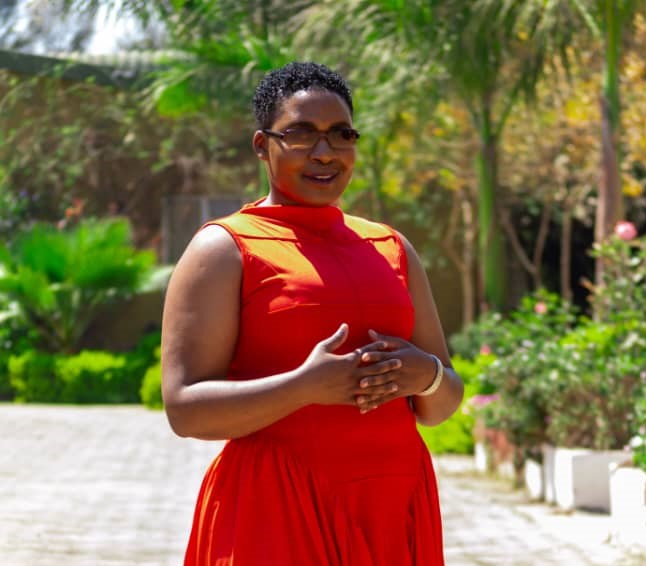
Langalihle Mhiti
VISUALLY-IMPAIRED jazz musician and lawyer Audrey “Audanna” Dangirwa has taken her artistry to new heights with the release of her powerful anti-drug abuse single titled “Zama”.
The track, which speaks directly to the heart of Zimbabwe’s youth crisis, positions her not just as an entertainer, but as a voice for change.
In an interview with Zimpapers Arts and Entertainment Hub, Audanna shared her motivation behind the song, explaining how the rising cases of drug abuse among young people pushed her to act.
“After noticing an increasing number of youths being affected by drugs, I just felt the need to motivate them,” she said.
“It’s something they can’t leave immediately because they may already be addicted, but it’s possible with support.”
The song “Zama” a Shona word meaning “try”, is a heartfelt call for self-awareness, community support, and healing.
According to Audanna, the core message is not just to tell people to stop taking drugs, but to understand them.
“If we try to understand the side of that person who is taking drugs and stand with them, rather than just shouting at them to stop, we might actually help them begin the journey to recovery,” she said.
Unlike many anti-drug campaigns that take a harsh, accusatory tone, “Zama” is rooted in empathy and encouragement.
Audanna explained, “If you allow yourself to stop drugs, all the support systems can help. But if you shut the door to getting help, you’ve put a lock on yourself.”
She added that inspiration also came from the national leadership’s vocal stance on drug abuse.
“After noticing that the President, First Lady, and the Government are on the forefront of anti-drug awareness, I felt this was the time to write a song directly for those affected,” she said. “It’s a message of encouragement—that they can get through it, even though addiction is difficult.”
Audanna’s own story adds power to her message.
As a visually-impaired artist and a practicing lawyer, she has defied odds in multiple ways.
Her music career is thriving in a space where visual impairment could have been a barrier. Instead, she uses it as fuel for motivation.
“Disability doesn’t mean inability,” she has often said, and her actions prove it. Her ability to juggle music, law, and activism shows that she walks the talk when it comes to resilience and purpose.
The production of Zama is crisp and soulful, staying true to Audanna’s jazz roots while blending in Afro-fusion elements that appeal to a younger audience. The lyrics carry depth, calling for introspection and transformation.
“Just tell yourself that I no longer want musombodhiya or mbanje,” she emphasised.
“That decision alone can even help those who want to help you help you better.”
Through the song, Audanna hopes to trigger change not just in individuals, but in families and communities. She believes many people struggling with drug abuse are not bad people they’re just stuck in cycles of dependency that society often fails to understand.
Audanna’s message is particularly targeted at young people, who she calls “the future of tomorrow.” She stresses the importance of educating youths not through fear, but through compassion.
“That’s how I came up with the song “Zama”. It tells the youth that if other people can stop doing drugs, they also can stop,” she said. “They just need to try.”
The artist encourages families, churches, schools, and communities to foster a culture of acceptance and support for recovering addicts, instead of shame and rejection.
Audanna hopes “Zama” will be picked up in schools, community centres, and national radio as an anthem of hope and redemption. Already, she is receiving praise from listeners who say the song is both timely and necessary.
“This song isn’t just for entertainment it’s for healing,” one listener commented online. “It speaks to the broken and reminds them that they’re not alone.”
The 33-year-old, who lost her sight in Grade 6 in Kambuzuma, Harare, has loved music from a tender age.
She enrolled at Waddilove High School, where she finished Advanced Level and proceeded to study Law at the University of Zimbabwe after passing Divinity, History, and Shona with flying colours.
Musically, she has been working with veteran producer, Clive “Mono” Mukundu.
Audanna’s parting words ring with clarity: “The youth are the future of tomorrow. Let’s fight for them today.”
As Zimbabwe continues to grapple with the impact of substance abuse, it is artists like Audrey “Audanna” Dangirwa who are using their platforms to reach hearts and minds one song at a time.