admin
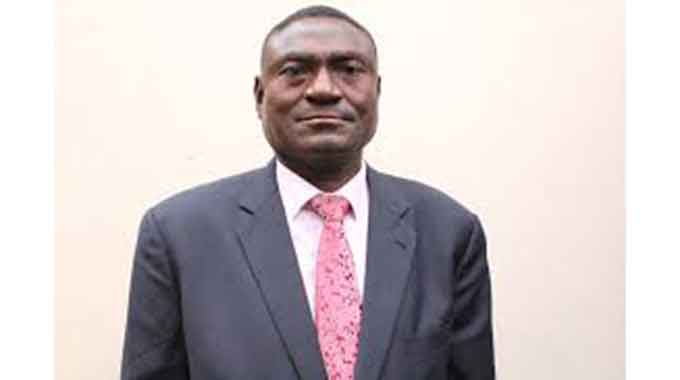
adminCetshwayo Mabhena
THE long history of apartheid and its systemic and structural violence haunts South African politics much like a stubborn ghost. The ghost of apartheid in South African politics is particularly haunting during the times of such contested historical episodes as the just passed elections that saw high voltage debates and disputations that shook the country’s fragile national unity to its roots.
In the true nature of coloniality, apartheid demolished its administrative and legal structures and evaporated its visible police and military apparatus but left its systemic power intact. In the way Sigmund Freud described how the unconscious and subconscious psychological life of peoples governs their conscious and day to day lives, the apartheid political unconscious operates invisibly in the day to day running of the life of the Republic.
South Africa’s celebrated democratic constitution, in a strong way, conceals that the Republic is still critically annexed by and in hostage to an imperial and colonial modern Euro-American world system that demands that the politics and economics of the Global South must essentially get the approval of the powers in the Global North. It is a mockery of South African and African independence and sovereignty that a whole people can vote for their chosen leaders democratically but those leaders still have to be elected or rejected by the market forces.
The excitable and also temperamental market forces show their displeasure quickly through currency declines when the wrong leader is elected and express their joy in the gain that the national currency registers soon after a certain leader is chosen. In a cynical way, democracy itself is an object in the markets place, and market forces can veto the public vote. The entire definition of democracy shifts, from a governance of the people by the people to a governance of the market on behalf of and sometimes without the people.
For instance, Cyril Ramaphosa was approved by the global markets, days before his election, when the rand responded positively to his impending election, that positive response to his political good fortune was also a clear threat to South Africa that if Ramaphosa lost, the economy would decline, in that way market forces impose leaders on countries. In themselves, we must remember, market forces are not natural energies and forces that are like the winds that were created by God, no.
Market forces are based on the economic interests, political loves and hates of powerful organisations and states in the world. In that way market forces are not innocent forces but are really active tempers and moods of the imperial and colonial world system. The colonial political unconscious in South Africa is vivid because, apartheid as a special kind of colonialism where the settler claims to be a native is more violent in its punishments on the colonised, otherwise all African countries are enveloped in coloniality and the colonial political unconscious as its mechanism. African countries, to paraphrase Karl Marx, make their own history but they don’t make it under circumstances and political conditions of their free choice, and that is a fundamental effect of coloniality. Exactly how free is independent Africa, is a decolonial question to ask.
The tyranny of the homeland
The South African political and social policy of 11 official languages is celebrated the world over as a democratic system of multiculturalism, nation building and diversity in unity. True to the evil of coloniality, it has turned this good policy and system into a historical and political project of discrimination and a kind of internalised apartheid.
The many different languages of the Republic get politically employed and deployed as markers of toxic difference and discrimination. Mother tongues as just and as democratic as they are manipulated for political purposes to cause a kind of internal xenophobia where speakers of different languages in one country experience and frequently treat each other as foreigners.
The many different official languages have been turned into political ideologies that divide South Africans into the same homelands that apartheid built for no reason but discrimination and exploitation of one by the other.
Coloniality, especially at its political colonial unconscious level works exactly like that, it can turn a progressive and democratic policy into an avenue of oppression and domination of the weak by the powerful. On this, South Africa is not unique. Mother tongues and the politics of geography, landedness and nativity are used in African politics to exclude and marginalise other populations, and this kind of political and historical discrimination is not divorced from the history of colonialism in Africa.
Nationalism itself, in Africa, became infected by certain logics of othering and exclusion of some groups by others, it tends to make discrimination make perfect sense, it naturalises and normalises it. It is for that fundamental reason that decolonial thinkers of the Global South have become suspicious even of the grand nationalist political and historical narratives that put nativity and nationality ahead of humanity and liberation.
South Africa in particular has such a deep problem of ideology, as in discrimination by identity and geographic origins, which has made life for immigrants that do not speak any South African language particularly toxic in the Republic. In all this, white Afrikaans and English speakers are exempted from the contempt and discrimination that arises, turning the land into a black on black violence stadium.
Mother tongues, homelands and the politics of identity and belonging in general have, in Africa, been mobilised into coloniality itself, democracy has been corrupted into a fetish in the market system, what is supposed to be multiplicity and diversity becomes its opposite, the tyranny of the politics of belonging and being.
The need for a cultural pentecost
The present victor, Cyril Ramaphosa is many things in one. He is a former trade unionist, an ex-communist, to be specific. Ramaphosa has also become a big capitalist and also an influential politician who hails from the minority Venda ethnic group. His interesting position is that South African presidents have previously hailed from the Afrikaner, Xhosa and Zulu identity categories.
As a titanic capitalist with shares in huge international corporations, Ramaphosa is the hot favourite of international capital and also a comfort for South African minority identity groups that feel justice is being done in disturbing Nguni political hegemony.
Some poor people, however, think that he is too rich to understand them and look after their interests. Ramaphosa’s cultural, political and class identities are both his assets and liabilities. The gesture of this article is that coloniality and its colonial political unconscious has infected identities and cultures in Africa to an extent that opportunities of diversity are easily used and criminalised in politics.
Liberated and decolonised politics should entail that leaders are judged and voted, accepted and followed for the wealth of their characters and leadership abilities and not their mother tongues, class or geographic nativity.
Elections should not be an ethnic census where the politicians from bigger clans are natural victors and those from smaller clans essential losers.
Identity politics easily becomes colonial and domineering politics that is toxic and exploitative.
As a result, politicians in Africa spend all their political energies and lives navigating identity and cultural politics instead of governing and delivering to mandates. The South African lesson to Africa is that governments and masses of Africa should not only overcome the legacy of colonial maps and borders but should also demolish toxic identity and ethnic politics that affirm rather than negate coloniality.
Cetshwayo Zindabazezwe Mabhena writes from Pretoria, South Africa: [email protected]


 Online Reporter