dyton mupawaenda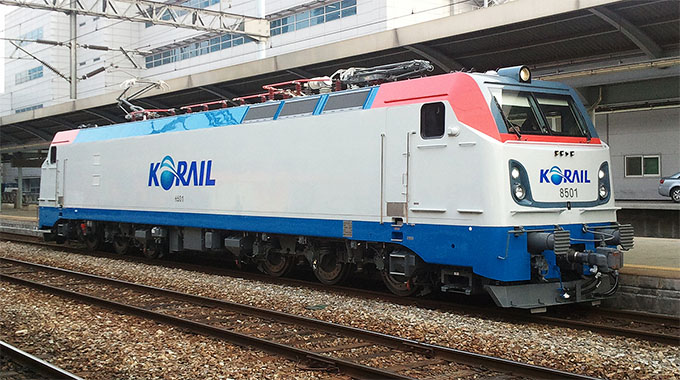
Ivan Zhakata in SEOUL, South Korea
THE Republic of Korea is set to assist African countries improve railway network by upgrading existing lines to meet international standards.
The assistance is part of Korea’s programme to enhance exchange and co-operation with African countries, spreading the existing assistance for railway modernisation in Egypt and Tanzania to other African countries.
Speaking during a media tour of the traffic control centre and maintenance plant of Korea Railroad (Korail) ahead of the Korea-Africa Summit scheduled for June this year, Korail director-general Mr Han Kwang-seok said since 2007, Korail had undertaken 100 projects in 20 African countries.
Mr Han said the Korean government was striving to establish a mutual, beneficial, and long-term relationship with Africa.
“The Korean government is increasing its funding and we will explore different African countries and see where we can invest and develop the railway system, but it depends on the status of the railway in that country,” he said.
“We are leading the world’s railway industry by expanding overseas railway consultations, operations and maintenance projects. We run our overseas branches in France, China and Russia to strengthen international exchange and co-operation as well as global competitiveness.
“In line with the current administration’s new northern policy and its effort to establish an East Asia railway community, we have seconded staff to the International Union of Railways and the Organisation of Co-operation of Railways as a measure of building networks and co-operative frameworks with the different nations along the continental railways to prepare for inter-Korean railway connections.”
Mr Han said as part of Korail’s agenda 2063, it was looking at creating an African integrated high-speed railway network. Korail was investing in the electrification of the railway system to conserve the environment.
“We make progress at every moment to prepare for the future. To reduce fine dust and greenhouse gases, we have implemented measures tougher than the government’s standards.
“We make our best effort to make railways an eco-friendly mode of transportation and pass down a sustainable environment to future generations.
“In addition, we have developed advanced technologies tailored for railways to rapidly respond to unusual climates and minimise impacts on the environment,” Mr Han said.
The Korean railway has grown from being a latecomer on the periphery to a point where it now stands shoulder-to-shoulder with the world’s railway powerhouses.


 Online Reporter