Tendai Gukutikwa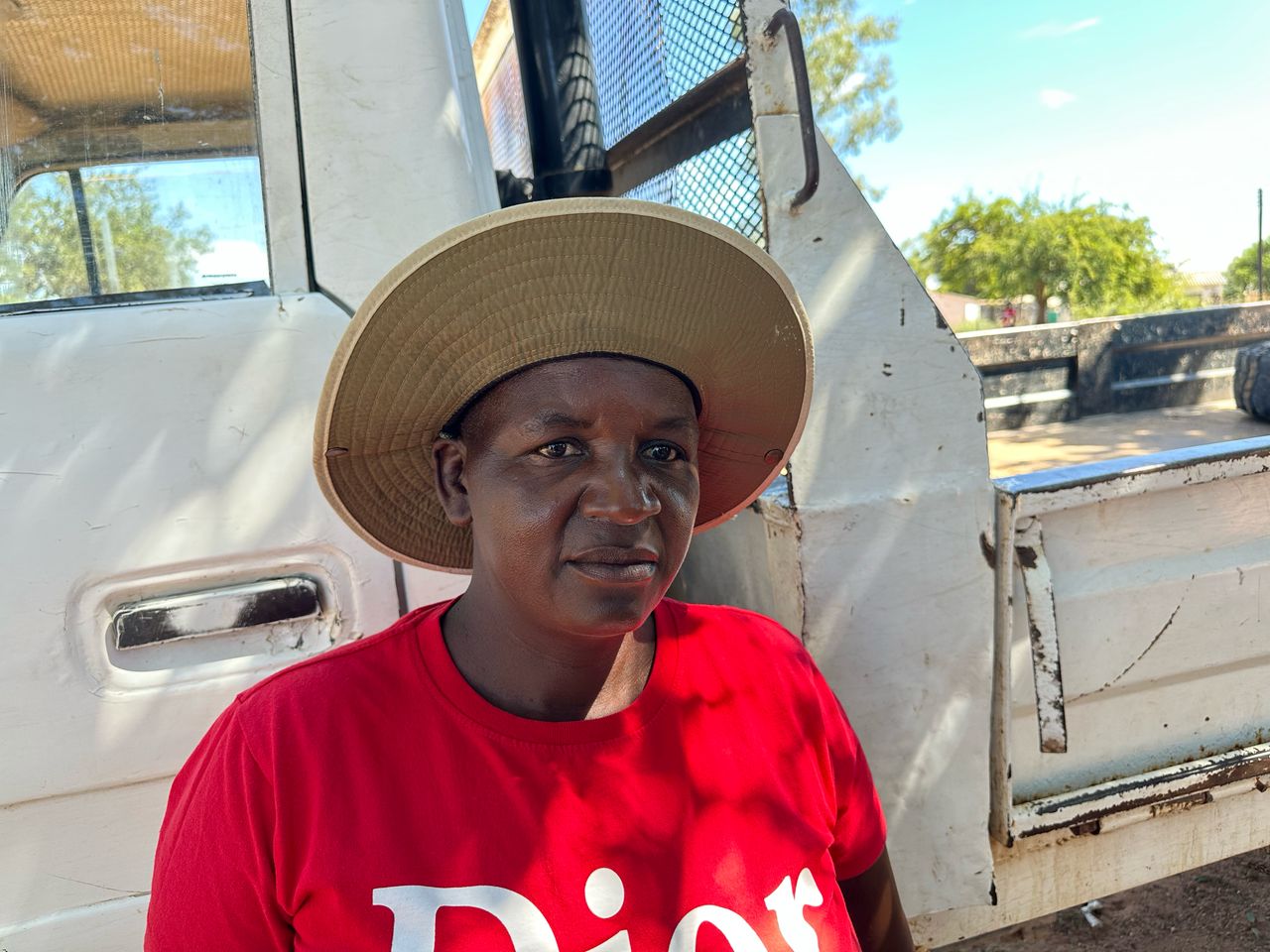
Tendai Gukutikwa
Post Reporter
AT Zvipiripiri shops in Marange — amid the shuffling queues of villagers redeeming their final food vouchers — stood Mrs Patricia Tsaura-Mushipe, silent, weathered, and yet unmistakably dignified.
She held her parcel of basic grocery tightly, but her face revealed a story far heavier than the contents of her bag.
She was thinking of the 13 stomachs waiting to be fed back home.
At 52, Mrs Tsaura-Mushipe is no stranger to pain, poverty or sacrifice.
Yet in her quiet resolve, she embodies relentless courage of a woman shouldering a burden too great for one person to carry.
She is doing her best to keep her family going despite the challenges.
“We are 14 at home, including my husband, who is suffering from cancer, my divorced daughter; my son and his wife and their four children; plus my own six young children. Sometimes we take care of my daughter’s two children, making us 16,” she said, her voice steady as she clutched the grocery slip that had just earned a few more days of nourishment for her household.
Her words fell heavy in the quiet as she paused to speak.
Around her, others focused on loading their goods, sacks of cereals, bottles of cooking oil and packets of salt, among other products, but her thoughts were elsewhere.
When asked, she said at that moment, her mind was at home, where 13 empty stomachs waited to be filled, including that of her bedridden husband, Mr Taurai Mushipe, who is battling cancer and diabetes.
“My husband cannot even walk sometimes. I feed and bath him. I do everything for him, while also taking care of the children. We do not have money for his medication, but at least I can give him food,” she said.
It is, not just caregiving that defines Mrs Tsaura-Mushipe’s daily struggle, but the weight of a family with no formal employment.
With no one formally employed in her household, and most of her adult children either divorced, uneducated or returned home with their own children in tow, she has become the sole lifeline.
“My children are not educated, and so they cannot be employed. My life is all about doing piece jobs, working on other people’s fields, cleaning and washing to put food on the table for them,” she said, wiping her face with the corner of her blouse.
Mrs Tsaura-Mushipe said she has spent too many nights awake, thinking about how to split a meal 14 ways.
Her sons, she said, grew up being cattle herders, a job despised by the community. They have returned home, pilling pressure on her plate.
“They no longer want that job. They say they are grown up men. So they returned home to burden me. But what can I do? These are my children. I love them. I cannot chase them away,” she said, adding that most of her children and grandchildren are under 10 years.
The youngest is a toddler below two years.
Her last hope lies in her young child doing Grade Seven.
“I am now fighting hard to make sure that my child, who is in Grade Seven, gets the best education so that he becomes the family’s saviour,” she said, her voice filled with a fierce, yet fragile hope.
The European Civil Protection and Humanitarian Aid Operations (ECHO), through CARE Zimbabwe in partnership with Government and Nutrition Action Zimbabwe, in December 2024, gave Mrs Tsaura-Mushipe and her family the much-needed lifeline through funding worth €853 000.
Since January, she and thousands of other vulnerable households in Marange have been receiving monthly food packages comprising 10kg of cereals, 1,5kg of dried beans per person, 750ml of cooking oil, 500g of kapenta, 2kg of brown sugar, and salt per family member.
“This project has kept us alive. It gave me hope as the breadwinner of the family. We were facing a difficult season as farmers due to the El Nino-induced drought that damaged our crops. This support from Government and CARE Zimbabwe has been a blessing. I thank them for standing with us,” said Mrs Tsaura-Mushipe.
While she is aware that the project is ending this April, she remains hopeful that continued collaboration between Government and humanitarian partners will help families like hers in the future.
“I am grateful for what we received. It got us through the hardest part of the year. I just hope that even as if it ends, there will still be help for those of us in dire need,” she said.
For humanitarian actors, the food aid project was part of a broader initiative to address, not just hunger, but also malnutrition and protection issues.
CARE Zimbabwe’s team leader for the programme, Mr Shingirai Saruchera said the intervention was aligned with Government’s Food Deficit Mitigation Strategy, targeting vulnerable households in Mutare and Gokwe North. “The aid programme is grounded on four key pillars, nutrition, crisis modifier, protection, and food security ensuring a holistic response to the needs of vulnerable communities. The goal is to ensure that drought-affected communities, not only survive, but become more resilient in the future. We are delivering a full food basket, while also addressing critical issues like malnutrition and Gender-Based Violence,” said Mr Saruchera.
He said through a coordinated effort involving CARE Zimbabwe, Nutrition Action Zimbabwe, and Padare Enkundleni Men’s Forum, the programme has reached 24 800 individuals in Gokwe North and Mutare, including 12 896 women and 11 904 men respectively.
Beneficiaries receive food vouchers redeemable for essential commodities, tailored to their household size and nutritional needs.
As the last cycle of distribution concludes this April, Mrs Tsaura-Mushipe reflects with gratitude.
For the past four months, the aid allowed her brief pause from begging, borrowing, and relentless labour. It gave her the dignity of feeding the family with her own hands.
“I was so happy when this help came. I did not know how we were going to survive, and it came through,” she said softly.
In Marange, the struggle against hunger is not a statistic, but daily reality etched into the lives of many.
Social Development Officer for Manicaland, Mr Joseph Mwanaka said Mutare rural had suffered immensely from the prolonged dry spell, leading to acute food shortages.
“This area was one of the most severely affected in the province, and we were facing a serious food crisis. CARE and its consortium partners intervened at a crucial time as it tapped into Government’s Food Deficit Mitigation Strategy. The support we are seeing today is, not just about feeding people, but restoring dignity and saving lives. There has been a remarkable improvement. The comprehensive food and protection packages being distributed have made a real difference,” he said.


 Online Reporter