Online Reporter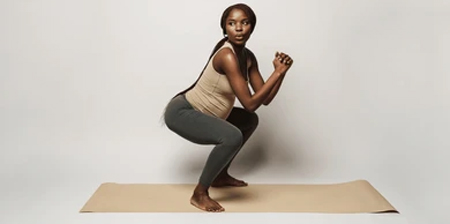
IF you are pregnant, squats can be a beneficial addition to your workout.
Depending on your needs, squat variations can help to strengthen different areas of your hips, legs, and pelvic floor.
Squats are among the most popular and effective exercises for lower body strength. There are many variations of squats that can be done with or without equipment.
When you are pregnant, your lower body has more weight to support. Strengthening your lower body with squats can help reduce pregnancy-related discomfort and fatigue. Squats may even offer some benefits during labour and throughout the postpartum period.
As with any exercise during pregnancy, check with a healthcare professional first. They can help to ensure you use proper form and don’t end up experiencing additional knee, hip, or lower back pain.
Exercising safely during pregnancy
During pregnancy, it is best to avoid excessive bouncing, jumping, or high impact activity. Unless you were training at a high level before pregnancy, heavy resistance training is not recommended because of the risk of injury.
The hormone relaxing can cause your ligaments and joints to become increasingly loose during pregnancy. Although you may feel more flexible, it is best to avoid overstretching, which can lead to injury.
Your centre of gravity also changes as your belly gets bigger. To avoid falling, always perform movements slowly and in a controlled way.
Stop exercising and check with a healthcare professional if you experience any of the following:
• dizziness
• pain
• vaginal bleeding
• shortness of breath
• racing heartbeat
• chest pain
• vaginal fluid leaking
• uterine contractions
• muscle cramps
Benefits of exercise during (and after) pregnancy
Childbirth is an intense and physically demanding event. Much like any other athletic endeavour, proper training and preparation is important. While you may need to adjust your usual routine, it is generally considered safe to work at or below the intensity you did pre-pregnancy.
Fewer aches and pains
As your belly grows, your posture may change, leading to some pain and discomfort.
A small study found that doing daily squats during pregnancy helped to improve standing posture, thanks to improved lower body strength.
Reduced fatigue
It is not uncommon to feel extra fatigued during pregnancy.
A study suggests that resistance exercises, particularly squats, can boost energy. This is partly due to the increased blood circulation and oxygen intake that occur during exercise.
Pelvic floor strength
When you think of strengthening your pelvic floor, Kegel exercises may be the first thing that comes to mind.
However, some research suggests that squats are up to 30 percent more effective than kegels for strengthening pelvic floor muscles. That’s partly because squats are a dynamic movement that engages both muscles and joints. While Kegels can still help to improve pelvic floor strength, the only target muscles.
Easier labour
Regular squatting may also help you have an easier labour due to increased mobility, strength, and endurance.
The takeaway
Squats are an excellent resistance exercise during pregnancy to maintain strength and range of motion in the hips, glutes, core, and pelvic floor muscles. When performed correctly, squats can help improve posture and have the potential to assist with the birthing process.
Squats don’t need to be performed with weight to be beneficial. If you don’t experience any pregnancy complications or other health concerns, you can do them throughout. Always check with your doctor before performing any new exercise routine during pregnancy. – Online