Online Reporter
Samuel Kadungure
News Editor
ST Faith’s High School is famous for its academic and sporting prowess, but a new trend is emerging, and the school will certainly meet with success unexpectedly!
Guaranteed a ready market for the produce, the school has embarked on lucrative animal husbandry and horticultural enterprises, predicated on astute animal rearing and agronomic practices, translating agriculture into a viable and sustainable venture that complements the school’s existing strengths.
The school – lead by headmaster, Mr Arnold Makamba – has put in place a robust plan to ensure the success of these initiatives, leveraging on the expertise of experienced staff and partnering with local agricultural experts to provide hands-on training for learners.

The animal husbandry project focuses on poultry (both broilers and layers), cattle fattening and piggery, with modern facilities that adhere to best practices in animal welfare and disease management.
Interestingly, learners are actively involved in every aspect of the operation, from feeding and breeding to monitoring, and marketing, gaining invaluable skills, and insights into the industry.
Alongside animal husbandry, a horticultural enterprise is thriving, with a variety of crops being cultivated using sustainable and innovative methods.
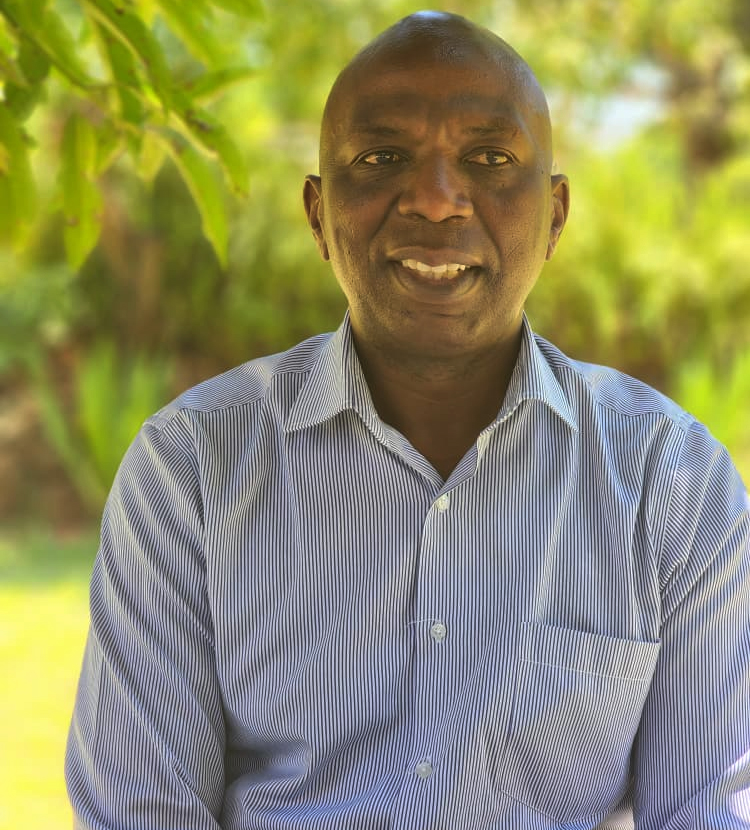
The benefits of these projects extend far beyond the school gates, providing learners with a unique opportunity to develop practical skills, entrepreneurial spirit, and a deeper understanding of the interconnectedness of food systems, environmental stewardship, and community development.
Last Friday, the school held a veterinary livestock field day graced by Minister of State for Manicaland Provincial Affairs and Devolution, Advocate Misheck Mugadza, who hailed the school projects for aligning with President Mnangagwa’s food security thrust to alleviate hunger and poverty.
“We are gathered here to witness food sovereignty and nutrition security achieved through sustainable agriculture and livestock production. We have seen St Faith’s High School agro-projects, and demonstrations on veterinary techniques in animal health and welfare, in fulfilling the country’s vision championed by President Mnangagwa – of achieving a prosperous and empowered middle-income society by 2030.
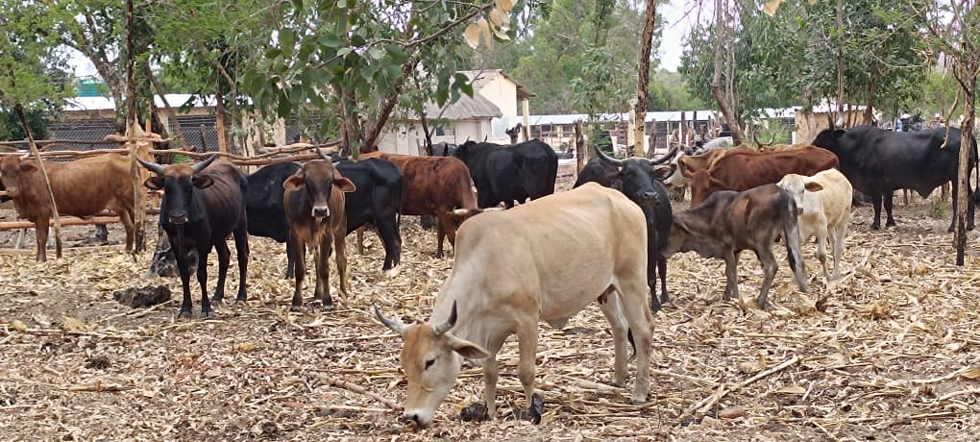
“St Faith’s High has an upward growth in cattle herd size, from 24 in 2023 to 33 in 2025. The school is also into piggery and poultry production. Its livestock production systems are integrated and environmentally friendly, contributing to climate-smart agriculture, and reducing the impact of climate change. Crop residues are fed to livestock, and used as bedding and to fertilise the soil. Livestock waste is used to fertilise horticulture and crop production. That these projects are taking place at a school is very laudable, as learners are expected to improve hands-on learning and self-sustenance, further promoting commercialisation that subsidises education, and helps cultivate agro-professionals and technicians. The school has taken all the animal health advice, demonstrating that achieving Vision 2030 is feasible, where young minds are exhibiting budding skills in critical agro-trade,” said Minister Mugadza.
Mr Makamba said while St Faith’s High continues to reap the rewards of its agricultural endeavours, it is poised to become a beacon for innovation and sustainability in education.
“We have quite a number of projects that we are doing at the school, straddling piggery, poultry, including broilers and layers, as well as cattle production.
We have a herd of 33 beef cattle. Besides that, we have horticulture where we are growing a diversified range of vegetables, tomatoes, and onions, among others, which are helping in the dining section of the boarding school. We have made sure that the agriculture department is a standalone project – whereby the boarding section will have to buy all the products produced by the agriculture department, with the department using the profits to improve its efficiency, enhance technology and innovation.
“From the time we embarked on these projects, the school has drastically improved in terms of revenue inflows – we now have a bigger pot of income, and at the same time, no longer hiking school fees willy-nilly. The profits we are generating from these projects are subsidising our school fees,” said Mr Makamba, adding that their fees are currently pegged at US$500 for boarders and US$100 for day scholars.
He said before the projects, the school was financially squeezed, as its provisions were sourced externally at exorbitant prices, straining the institution’s resources.
However, with the agriculture projects now in full swing, the school is, not only self-sufficient in terms of food production, but also generating significant revenue, which is being ploughed back into the school to improve infrastructure, supporting learners’ welfare, and enhancing the overall quality of education.
The success of these projects has also enabled the school to offer more competitive pricing, making quality education more accessible to a wider range of local learners in line with the Responsible Authority – Anglican Diocese of Manicaland – to provide education as a way to achieve social transformation, fulfil divine commission to care for the needy, and equip individuals with skills for holistic development.
The Diocese’s mission is carried out through a number of its schools that offer quality education, often with free tuition, uniforms, and supplies, and that serve as centres for social integration and empowerment of individuals, families, and communities grow and thrive.
Agriculture learner, Samantha Chimedza said the hands-on experience and skills gained by learners through their involvement in the projects are equipping them with valuable life skills, preparing them for future careers in agriculture, entrepreneurship, or related fields.
She said by integrating practical agriculture projects into its curriculum, St Faith’s High is setting a shining example of innovative and sustainable education, empowering its learners to become leaders and change-makers in their communities.
“The agricultural projects are benefiting learners and the school, as we are now able to supply eggs, beef, chicken, pork, and vegetables that are consumed by the learners in the dining hall. Agriculture is also benefiting us as learners, for example, I come from a farming background, and when I go back home, I can now assist my dad with tasks he struggles with. This has really benefited us, equipping us with practical skills that will enable us to utilise our hands and eke out a decent living when we enter the world beyond school,” she said.
Another learner, Simbarashe Sibanda said: “The hands-on experience gained through these projects is invaluable, teaching us the importance of hard work, sustainability, and self-sufficiency. By learning and applying agricultural practices, we are, not only supporting our school, but also developing skills that will serve us well in our future endeavours, whether in agriculture or other fields. This holistic approach to education is empowering us to become resourceful, innovative, and contributing members of society.”
Mr Thomas Kasvosve, who is in charge of the projects, said the school has made a bold decision to respond to Government’s call to come up with highly productive income-generating projects.
“The school authorities made a decision to look for someone with the technical knowledge, and they engaged me. We started with very little amount that was loaned to us by the school. These projects you are seeing are not funded through school fees – they are now self-funded. We started at peasantry level until we commercialised. Our structures are new, as we pursue the vision, starting with small livestock.
“The dining hall is our first-line customer, and we had to look at what they want first, which is what we started with. We started off with poultry, doing meat and egg production. We are supplying the dining hall at subsidised prices, allowing the school to save funds for other developments.
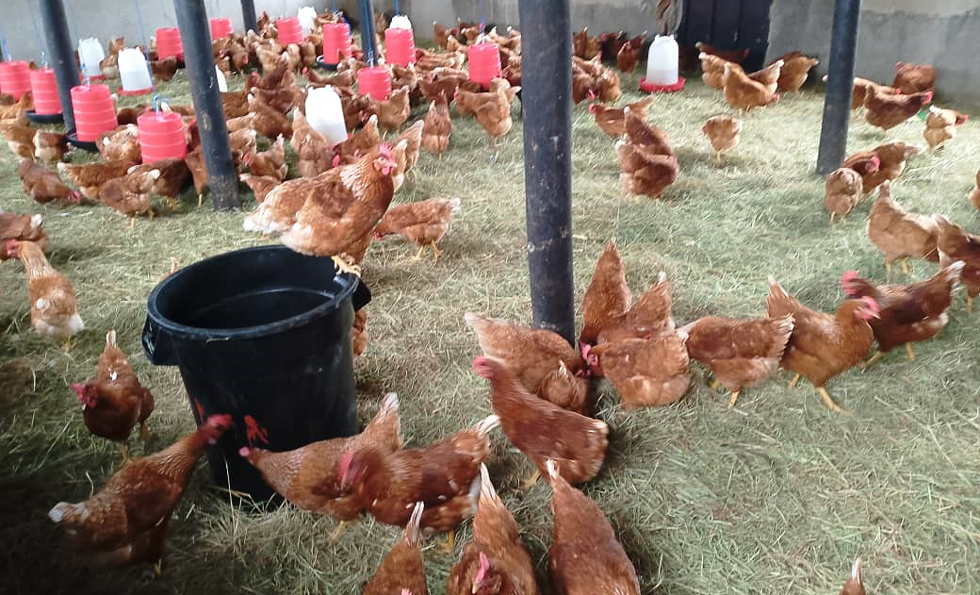
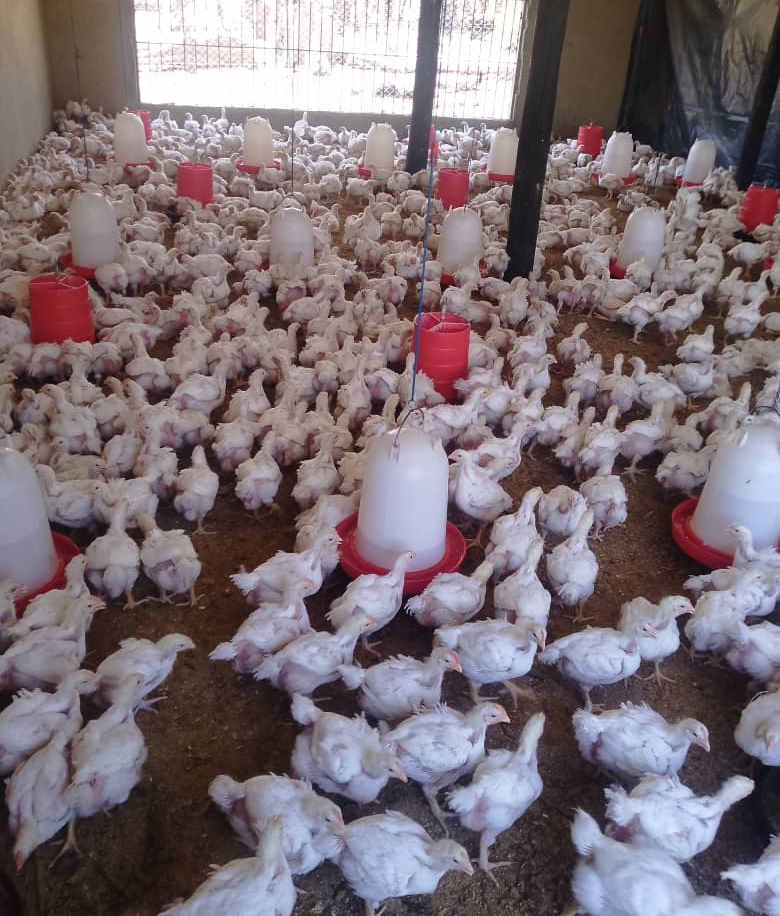
“Our learners consume 39 crates of eggs per week, of which per day we are harvesting an average of 10 crates, from 387 birds. Our kids need 250kg of chicken per week, and in the first term, demand reached 400kg due to outings. We have so far slaughtered an average of 1 750kgs, while our mortality rate stands at three percent. At the moment, we have a batch of 987 birds.
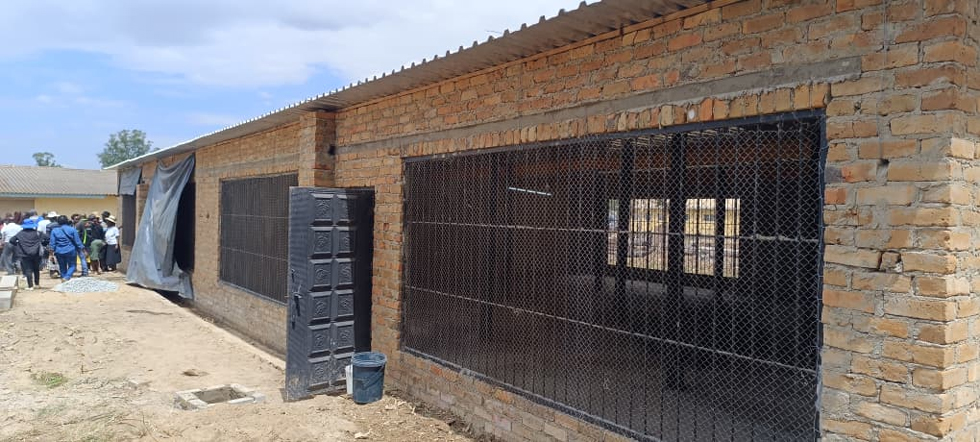
We have also constructed a brooder structure that can accommodate 2 000 chicks. We have a new fowl run with a holding capacity of 5 000 birds.
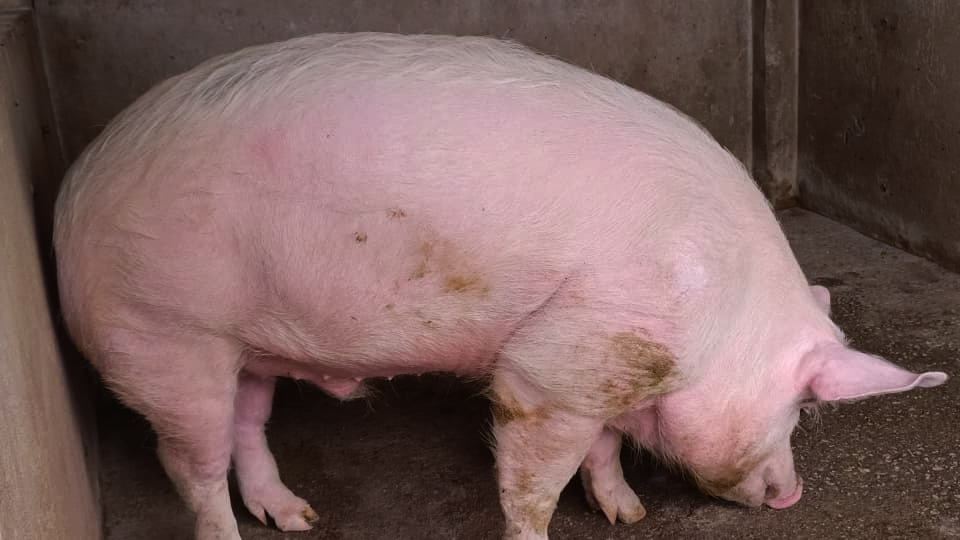
“Our learners need 110kg of pork every Saturday, and at one point, we had 115 pigs, but we are now culling them, and replacing them with a better breed,” said Mr Kasvosve, adding that they supply the dining hall with 300kg of beef per week.
The School Development Committee (SDC) chairman, Dr Luke Chipunza, said they found it prudent to embark on income-generating projects to alleviate the challenge of school fees.
Dr Chipunza said the generality of their parents with children at the school are low-income earners.
“The demography of our parents is such that most of them are civil servants and self-employed, and as such, struggle to pay fees. We found it prudent to ensure that we alleviate that challenge by coming up with projects that are self-sustained. As we speak, most of our projects – piggery and poultry – are now self-sustained. Our learners are enjoying the food that they produce at the school. We have also taken this as a learning programme for our learners, aligning with Vision 2030, the National Development Strategy (NDS1), and the Heritage-based Education 5.0 curriculum, where learners should have hands-on experience as they learn from agricultural projects,” said Dr Chipunza.