admin
admin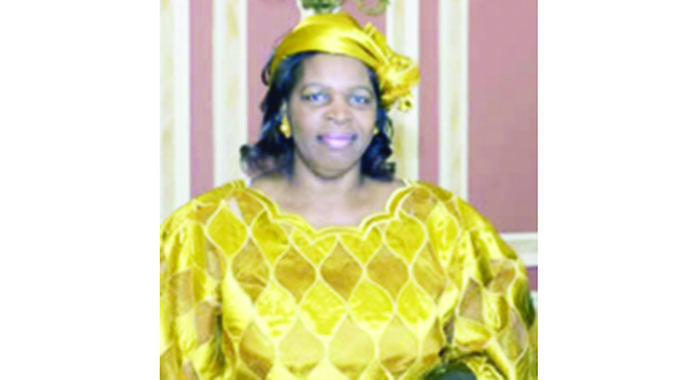
Herald Reporters
Environmentalists have collaborated in educating communities on the importance of the National Environment Cleaning Day, with emphasis on sustainable environmental management and responsible waste disposal systems that generate income for households.
President Mnangagwa declared the first Friday of each calendar month a National Environment Cleaning Day in December 2018 as his Government moved to ensure the country had sustainable environment management and waste disposal systems.
Observing the day yesterday, which came within the World Clean-Up month of September, the Environmental Management Agency (EMA) collaborated with the Zimbabwe Sunshine Group, the United Nations Development Programme and Harare City Council to help residents of Francis Flats in Belvedere clean their premises.
World Clean-Up month is an annual global social action project to combat the global solid waste problem and this year, the day falls on September 19.
Due to Covid-19 regulations, EMA has resorted to approaching self-contained communities where it teaches residents about waste management.
Officiating at yesterday’s function, EMA board chairperson Ambassador Florence Chideya, who was representing Environment, Climate, Tourism and Hospitality Industry Minister Mangaliso Ndlovu, applauded the collaboration of stakeholders, adding that this will yield positive results and ensure a safe and clean environment.
“Collaboration between three groups has proven that it is possible to have multi-stakeholders in an ingenuous programme such as this one,” he said. “We are gathered to promote waste separation at source and enable communities to derive benefits from the waste that they generate, especially household levels, during the Covid-19 pandemic lockdown restrictions.”
Ambassador Chideya said community centred and driven initiatives will be lined up this month to inspire and empower communities to clean their surroundings.
This month, the national clean-up day is running under the theme, “Play your part in promoting a clean, safe and healthy environment, Be part of the solution”, which is in line with the Presidential Declaration of the monthly National Environment Cleaning Day to promote cleanliness.
Ambassador Chideya called upon citizens to embrace best practices in waste management to keep active the clean environment for all.
EMA was working with local authorities to have proper landfills for the final disposal of waste.
Zimbabwe Sunshine Group director Mr Ronnie Mbaisa pledged to work with the city council to collect refuse at Francis Flats and encouraged residents to separate their refuse at source to allow more recycling and the best disposal methods for each type.
He said the disposal of diapers had become a challenge, while other people were dumping litter irresponsibly, but Zimbabwe Sunshine Group can collect the diapers from communities for proper disposal.
Biodegradable materials such as food leftovers can be used as organic fertiliser.
Mr Mbaisa donated 20 compost bins for residents at the flats for use in making composts.
UNDP representative, Mr Wadzanayi Madombwe said they were committed to working with the partners in sanitation, hygiene and water.
“We work with Unicef in WASH (water, sanitation and hygiene) programmes,” he said. “Separation of waste is important, some of the materials regarded as litter can be useful to our communities.
“The kitchen waste can be used as organic fertiliser. Cleanliness starts with you, with me and all of us.”
Meanwhile, Zupco female conductors participated in a clean-up at bus terminuses in Harare.
Zupco representative, Ms Immaculate Mananda, said it was now more important to keep clean environments, especially following the outbreak of Covid-19, which demands cleanliness to slow the spread of the virus.
“We are facing challenges of lack of water and ablution facilities,” she said. “Inconsistent refuse collection also poses a threat of disease outbreaks.
“We hope authorities will help us, while the public also becomes responsible in waste disposal.”


 Online Reporter