Chronicle Editor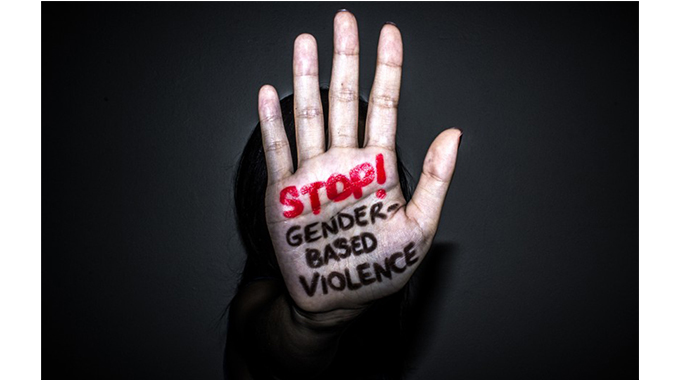
Andile Tshuma
HERE we go again as yet another sick video of some man heavily assaulting his wife and kicking her on the head with booted feet until she lay seemingly lifeless on the ground went viral this week.
The sick side of it is that the video was recorded by a fellow woman, cheering the man on and calling him uncle. The violence victim was apparently being accused of infidelity. Whatever she may have or not done, there is no excuse for gender-based violence and no woman or person of whatever gender must go through that kind of treatment.
The one recording and playing cheerleader must be equally guilty of the crime. Social media users have called for the woman to be arrested along with the man, and thanks to GBV activists and organisations, the location was found and justice for the victim is on the way.
But how many more women must go through that kind of treatment, only for perpetrators to get away with fines and lenient sentences?
Perhaps it is time stiffer penalties were introduced for GBV perpetrators.
There has been a global rise of GBV cases associated with home confinement as the Covid-19 pandemic has seen many people being locked down with abusers.
The spell of GBV is real and if it doesn’t affect us directly, it affects our sisters and brothers, our parents, friends and neighbours. It is noble to constantly check on each other because you never know which phone call or text could save a life.
There is talk about how Covid-19 is leaving more people exposed and vulnerable to abuse. Statistics are still sketchy about actual figures of victims, however, there is just not enough action that corresponds with the severity of the matter.
Despite the many hardships being faced and the new complexities of life that have been exacerbated by the Covid-19 pandemic, freedom from violence cannot under any circumstances be surrendered as the right to live a life free from abuse and violence is a basic and fundamental human right.
Globally, many countries are reporting a surge in cases of domestic violence and multiple forms of GBV, as well as violence against children. Strategies to address these challenges are being implemented in our neighbouring countries.
To bring an end to this shadow pandemic, Zimbabwe must act now.
In Zimbabwe, about one in three women aged 15 to 49 have experienced physical violence and about one in four women have experienced sexual violence since the age of 15.
Awareness alone cannot create change, it is actions that create change and it is the duty of every member of society to bring about this change.
In an effort to champion gender equality and advocate for the elimination of GBV in our communities, Government must prioritise and implement the various recommendations made to reduce and eliminate such violence in all of its forms.
There should be a clear commitment to fostering better working relationships between Government, private and civil society actors towards maximising collective impact in eradicating the root causes of GBV.
Government must also work to address the causes of GBV in communities. Some of the contributing factors to GBV include poverty, general financial hardship, job loss, loss of income especially now as a result of the pandemic. The home confinement has also led to frustration, uncertainty and fear.
Government must work to deliver jobs to people and improve on social safety nets for vulnerable communities so that no Zimbabwean experiences gender-based violence rooted in poverty and financial frustration.
All Zimbabweans must reflect on their own complicity in maintaining the culture of violence and abuse, make the necessary behavioural and attitudinal shifts and commit to standing together to safeguard communities against these vicious cycles of abuse.
The law must continue to protect women and men from abuse and uphold equal treatment of victims of gender-based violence.
In most countries including Zimbabwe, navigating the justice system is complex and tedious hence many victims of gender-based violence end up withdrawing their cases before they reach court. Now with Covid-19, these complexities may be increased as even mobility is limited. A few cases result in conviction.
In most cases, abused people tend to withdraw cases due to lack of knowledge of their rights and in some cases the perpetrators are the families’ breadwinners. Women, and men too, must have support systems within the justice system that help them garner the courage to report all forms of violence and seek justice.
It is important for countries to review laws so that stiffer penalties are meted out to those found on the wrong side of the law in terms of perpetrating GBV.
Policymakers must engage traditional leaders and community leaders to ensure that victims are encouraged to report cases of GBV.
GBV is not only assault but includes threats of violence, it can be psychological, physical, emotional and often takes place because of power and inequality.
The high prevalence of GBV in the country says a lot about the state of affairs in the protection mechanisms in place and the efforts being made to bring the scourge to an end. — @andile_tshuma


 Online Reporter