admin
admin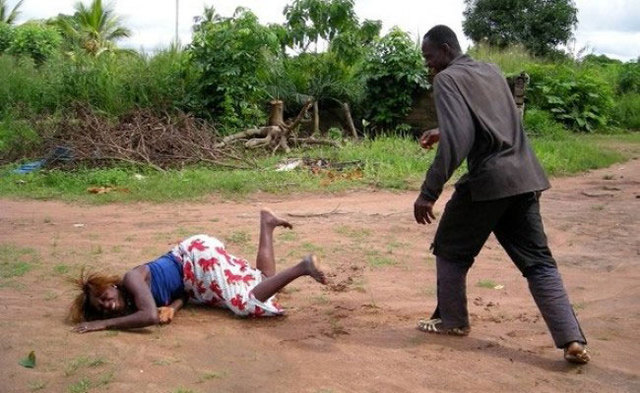
 Erik Brogger Rasmussen Correspondent
Almost every second, a Zimbabwean woman or girl will experience gender based violence or GBV – most of them before they turn 18. Some men are exposed to the violence too, but the problem is considerably bigger for females.
Needless to say, this issue needs to be addressed loudly and consistently until GBV becomes a thing of the past. Not just because of the obvious reasons that violence is disgraceful and a human rights offence, but also because it serves Zimbabwe’s best interests to stop violence against women.
Gender based violence against women and girls is one of the most prevalent human rights violations in the world. It knows no social, economic or national boundaries. It is estimated that one in three women will experience physical or sexual abuse in her lifetime. Gender-based violence undermines the health, dignity, security and autonomy of its victims, and yet it remains shrouded in silence and secrecy, with many victims suffering without the knowledge of even those closest to them.
According to the World Health Organisation, violence kills and disables many women between the ages of 15 and 44 as cancer. And its toll on women’s health surpasses that of traffic accidents and malaria combined. Furthermore, victims of violence are likely to suffer from post-traumatic stress disorder and depression, to contemplate suicide and to abuse alcohol or drugs.
To empower women by reducing violence towards them is an advantage to the whole country, as women represent an important voice for Zimbabwe to develop economically, politically and socially.
Look around you tomorrow on the 25th. You might see some people wearing orange clothing, an orange scarf or the like. Pay attention to any orange item that catches your eye. In some cases it might just be a coincidence that these persons are wearing orange tomorrow, but in some cases it is to make a statement – to stop Gender Based Violence. The 25th of every month is Orange Day. It is marked by many, but should be marked by all.
Gender based violence is an extraordinarily huge, yet widespread, problem in this country as well as in many other countries. Danida and the Danish Embassy Office in Zimbabwe have joined forces with UN women to work at all levels to eradicate GBV. Women and girls are taught their constitutional rights, and their confidence is built up to report cases and to stand up and be heard.
Silence is one of the biggest issues that perpetuates GBV and therefore I encourage everyone to raise voices on this issue, be it by wearing a T-shirt, writing a Facebook or twitter update or speaking to your fellow passengers in a kombi or bus on your way to work. All of us – politicians, journalists, office workers, taxi drivers and so on – have to take steps towards breaking the silence about GBV. Invite the uninitiated to take part in the campaign and spread the word like a wildfire.
It has been five months since Orange Day was introduced in Zimbabwe. The message has still not gone all the way to every victim or to every assailant.
Like the victims need to learn their rights, assailants need to know that their actions are terribly wrong and have a major impact on the lives of those that they attack. There are societal structures that need to be changed.
Key issues are a change in laws and policies in Zimbabwe, as well as to promote a change of mind in the community, but also to empower women and girls.
Throughout the year, a Danish representative will work on enhancing awareness of GBV and how to eradicate it. From November 25 to December 10, the campaign culminates in the 16 Days of activism, where Zimbabwe will all be orange.
I encourage everyone to support this campaign, but remember to look out for orange garments tomorrow.
Orange Day is a day to acknowledge that there are high levels of violence against women and girls and that this is unacceptable and all necessary action must be taken to end this “pandemic” – Let’s all go Orange!
- Erik Brøgger Rasmussen is Head of Mission, Chargé d’affaires e.p. at the Royal Danish Embassy



 Mathew Masinge