admin
adminLincoln Towindo
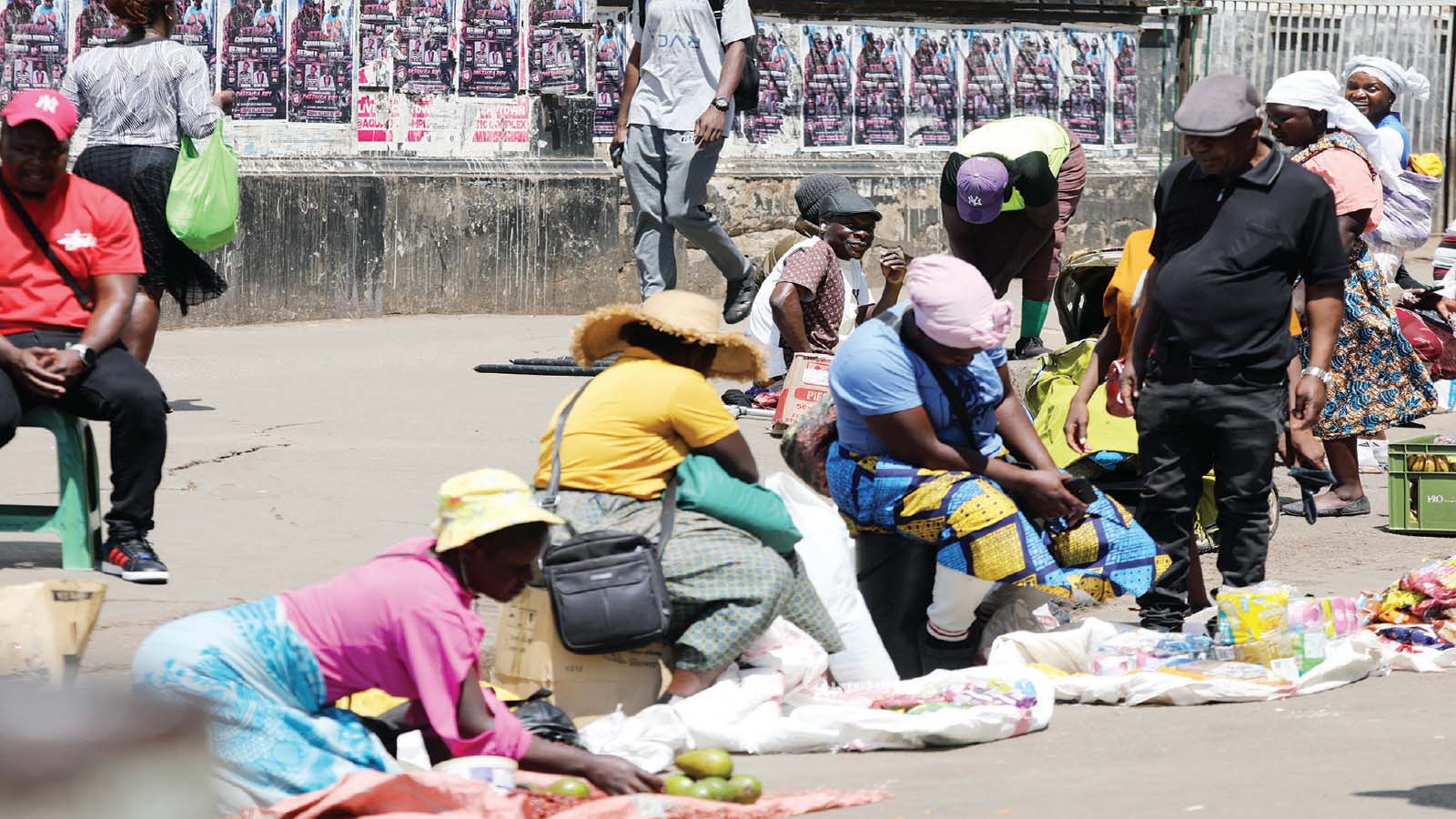
Government has crafted a policy framework to formalise taxation of micro, small and medium-sized enterprises (MSMEs).
MSMEs contribute around 60 percent of the country’s GDP and Government want to harness their potential for economic development.
In launching the Revised MSMEs Policy Framework (2014-2018) recently, Vice-President Emmerson Mnangagwa said the sector had assumed greater economic prominence through the absorption of retrenchees and school leavers.
“As it stands, the MSMEs sector is providing the bulk of employment, sustaining an average 2,9 million people,” said VP Mnangagwa.
“It has, in recent years, assumed greater prominence as a source of livelihoods through the absorption of retrenches from companies that are closing, school leavers, youth, women and people with disabilities.
“Activities of MSMEs contribute significantly to the achievement the Sustainable Development Goals, especially the first one, which is Eradication of Extreme Poverty and Hunger.”
According to the policy framework, Government will offer tax breaks and incentives to “business angels” that support development of MSMEs.
The State also seeks to relax the stringent registration requirements for MSMEs to fast-track their assimilation into the formal economy.
“MSMEs should also have a lower corporate and capital gains tax rate.
‘‘There will be need for giving MSMEs a grace period on taxation during their start-up phase,” reads part of the policy document.
“To widen the tax base, a flat rate tax band system is recommended for use for the informal or micro and small enterprises.”
The policy framework encourages local authorities to offer incentives to lure MSMEs to register their ventures.
It also provides rebates on rates and discounts on land and services.
The Zimbabwe Investment Authority will open an office dedicated to facilitating access to external investors for the sector, while a revolving fund will be established to finance operations.
“It is imperative to introduce an MSME Development Levy with contributions from corporate world and the MSMEs to capitalise the fund,” states the policy. “A wholesale finance scheme will be established within the MSMEs Revolving Fund to provide resources to those who lend to micro projects.”
Internationally, MSMEs provide around 50 percent of all productive employment.
In South Africa, MSMEs contribute 42 percent of GDP while in India the sector accounts for about 70 percent of GDP.



 Online Reporter