Online Reporter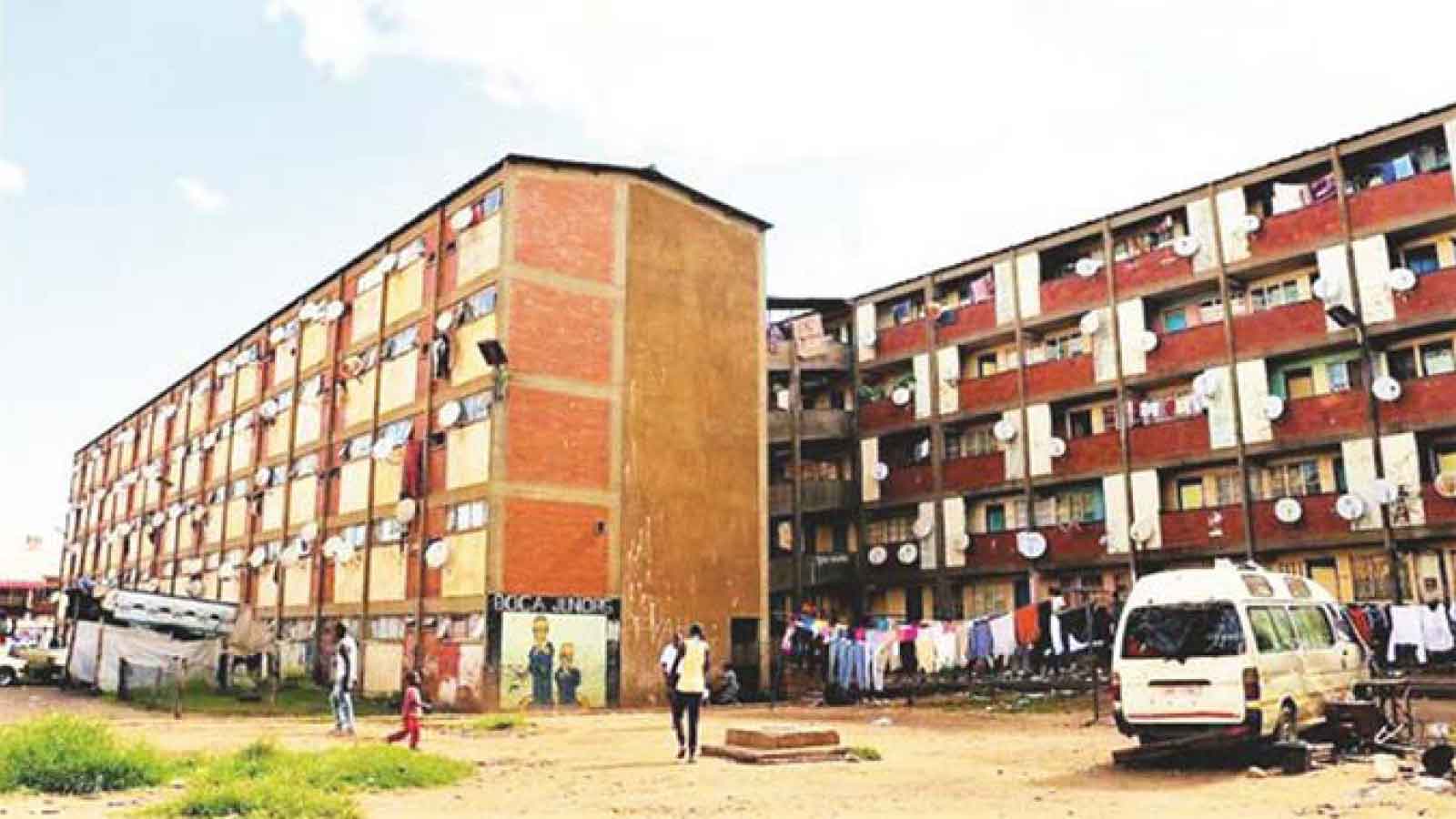
Ivan Zhakata
Check Point Desk
BENEATH the bustle of commuter ranks and the neon glow of nightclubs lies a shadow economy quietly reshaping urban survival in the capital — and not for the better.
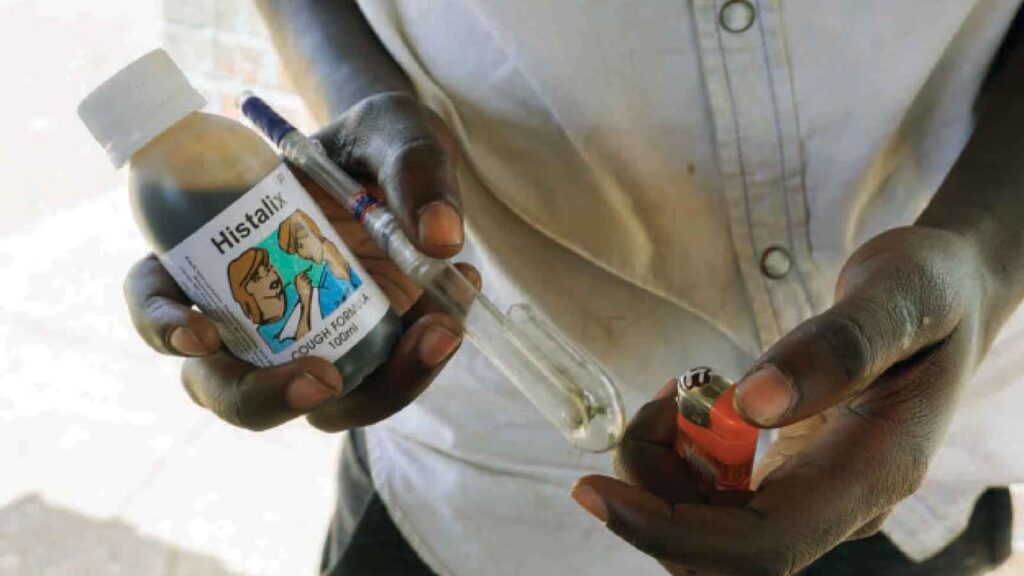
A recent investigation by The Sunday Mail Society uncovered how crystal meth (mutoriro) and other illicit substances are being funnelled through tightly knit networks.
These pipelines flow from hubs in Mbare and Harare South to schools, nightclubs and high-density suburbs, ruthlessly preying on the vulnerable.
Interviews with residents, former runners, community leaders and law-enforcement sources reveal a supply chain that mirrors formal commerce.
Sourcing, warehousing, transport and retail are all hidden in plain sight across the city.
One former courier, speaking on condition of anonymity, claimed Mbare serves as a strategic transit hub rather than a mere marketplace.
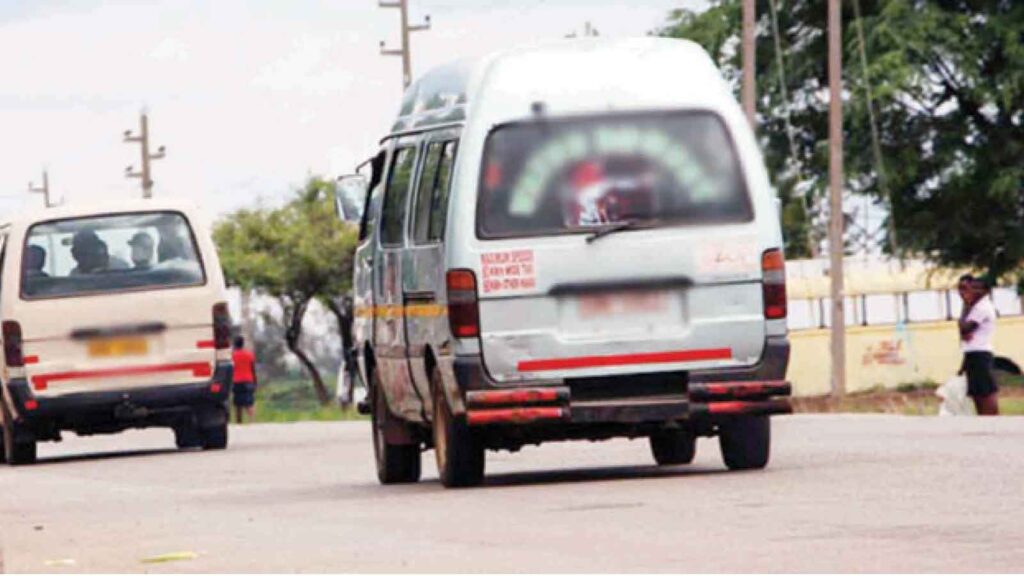
“Drugs come in small consignments, are broken down and then pushed out using commuter routes,” the ex-courier explained.
“If you know the kombi (commuter omnibus) stages, you know the routes.”
According to multiple sources, small quantities of mutoriro and marijuana (cannabis) are stockpiled in backyard rooms, informal hostels and makeshift structures near major transport corridors.
From these points, couriers — mostly vulnerable young men and women — transport sachets concealed in clothing, food containers or school bags.
The evidence suggests a grim reality of schools, commuter omnibus ranks and social hubs having been compromised.
Drug peddlers introduce learners to drugs before grooming them into couriers.
These learners become ideal conduits because they rarely draw law-enforcement agents’ suspicion and there is a pervasive belief that, if caught, children receive far lighter sentences.
A few years ago, eight Dominican Convent High School learners were expelled after being caught using illicit drugs during a school trip. The case was not isolated.
Ignorance/distress
One learner, speaking casually about his activities, revealed something disturbing.
“I learn at a college in town (name withheld) but currently residing in Southlea Park. I was introduced to dombo (crystal meth) by a senior colleague,” said the learner, who only identified himself as Patrick.
“Initially, I was impressed by his flashy lifestyle before he introduced me to his hustle and I voluntarily opted to join. We get consignments that we drop off at our rank in town, while some are taken to nightclubs or to a few guys at school.”
Pedro Mushava, a Mbare resident, expressed concern.
“What surprises me is that most of these drug peddlers are known by many and their bases are frequented daily. Why are they not being arrested?”
The police, however, have intensified the fight against drugs, resulting in numerous arrests and the destruction of drug bases.
Even sophisticated and hard-to-detect channels have been busted.
The most commonly abused substances include cannabis, crystal meth, BronCleer and, in rare cases, cocaine.
The financial rewards for drug peddling are so tempting that many financially unstable youths fall prey to these criminal networks.
The rewards also make the peddlers very determined to risk it all, notwithstanding heightened surveillance from law- enforcement agents.
One vendor at Copacabana made an observation.
“We have people who loiter here whose sources of income are unclear, yet they appear well off. Periodically, they interact with wealthy individuals in classy apparel or vehicles, with transactions involving large amounts of cash for small packages.”
Nightclubs in the central business district and popular entertainment zones have not been spared.
Dealers blend into crowds, relying on trusted regulars, bouncers or club staff as intermediaries.
Schools are also targeted through older learners and informal drop-off points near sports grounds, tuck shops and nearby shops.
At the core of the trade lies the harsh reality of urban survival.
A social worker said some people become addicts after being convinced that drugs can keep them awake for longer, helping them to “hustle through the night”.
While street-level prices remain relatively low, significant profits accumulate higher up the chain.
Proceeds are allegedly laundered through informal businesses such as car washes, tuck shops and phone repair stalls, with money invested in property, vehicles and land registered in relatives or associates’ names.
“Follow the money and you will find respectable fronts. The drug trade survives because it blends seamlessly into Harare’s informal economy,” said a civil society researcher familiar with urban crime patterns.
Fear/enforcement
Residents in affected areas described a climate of fear and silence, enforced by lookouts and threats.
“If you report today, tomorrow your room is broken into. People are scared and that fear protects the dealers,” said a Mbare resident.
Health experts and community leaders believe a coordinated response — combining law-enforcement agents, schools and communities — can decisively destroy supply chains.
Zimbabwe Republic Police spokesperson Commissioner Paul Nyathi said the blitz against drug peddlers was ongoing.
“We will be giving detailed updates in due course but what is important is for the public to partner the police to fight drug and substance abuse because it is affecting everyone,” he said.
“If there is anyone out there running a drug base or people who are peddling drugs in various forms, the public should report. You should not keep quiet even if it is your relative because the issue of drugs is a societal concern.”
The police enforces a zero-tolerance policy on drug and substance abuse, intensified through the national Multi-Sectoral Drug and Substance Abuse Plan (2024-2030).
This approach combines strict law enforcement with community engagement, targeting dealers and bases in high-prevalence areas.
In 2023 alone, over 5 000 offenders were arrested.
But between January and June 2025, the police arrested over 15 000 individuals for drug-related offences, ranging from users to traffickers and suppliers.
Outreach programmes involve local leaders and residents to identify drug spots and educate the youth.
The current policy advocates stiff penalties for peddlers and, in some cases, prison “cooling-off” periods for addicts as part of rehabilitation.
The police also collaborate with agencies such as the Zimbabwe Revenue Authority and the military to combat smuggling through border posts.
Despite the zero-tolerance stance, corruption remains a challenge, with reports of some rogue police officers involved in the trade.
So, beyond the pulse of music in cities and frantic activities at commuter omnibus ranks, some dealers continue to push dangerous drugs in the shadows.
The authorities continue to reiterate that people must continue reporting illegal activities in their communities.