admin
admin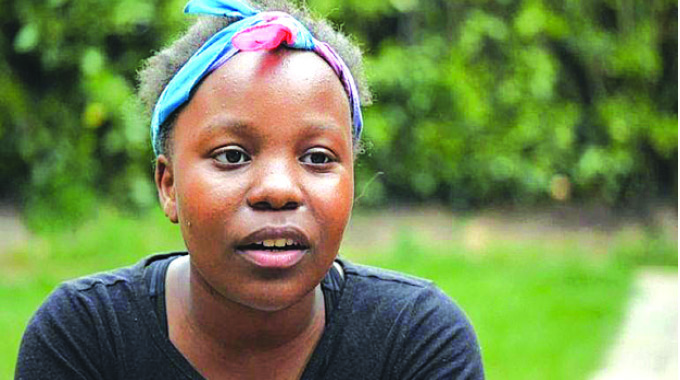
Paul Mugari
Herald Correspondent
A recent study of coronavirus in children has concluded that children are both less contaminated and less contaminating, than was generally thought at the outset of the Covid-19 epidemic. The study comes at a time when there are debates about scientific evidence into the risks presented by re-opening schools amid the coronavirus. Countries around the world are considering the ideal times to allow pupils back in the classroom after the Covid-19 lockdowns.
In Zimbabwe, schools are gearing up for a phased reopening which is said to require several steps to ensure pupils and teachers are safe when lessons resume.
The recent study was conducted in France in a region badly affected by the Covid-19 pandemic.
The study was carried out by 27 paediatricians from the French paediatric society between April 14 and May 12, involved 605 patients under the age of 15.
Blood tests were carried out on the children and showed that 10 percent of the children had caught the coronavirus. Professor Robert Cohen who is the coordinator of the research told a French publication that only 0,6 percent of the children were contagious.
According to Professor Cohen, in nine out of 10 cases, infected adults were the ones contaminating the children and not vice versa.
If this study is something to go by, there are some considerations to be made. The study was published on medRxiv, which publishes research that has not yet been peer-reviewed.
Peer-review process is an important element in any study, especially health sciences.
Peer reviewing involves subjecting a research study to the scrutiny of other experts in the same field to check validity and evaluate its suitability for publication. In general the article would be of good quality if it has made it through the peer review process.
In considering this research, it is however important to note that France is different from Zimbabwe, and therefore the conditions surrounding the children are different.
In France, however, a group of paediatricians is calling for lockdown measures in schools to be relaxed despite the limitations of this study. There have been similar calls in other European nations. In Wales, the BBC reported that more than half of children questioned in a survey are worried about falling behind with school-work due to the coronavirus lockdown.
The Guardian also reported that children represent just a small fraction of confirmed Covid-19 cases, with fewer than 2 percent of reported infections in the hard hit countries; China, Italy and the United States.
According to the Guardian in the UK Covid-19 cases in children accounted for few than 2 percent of hospital admissions.
In Zimbabwe Covid-19 cases have been quite contained with only 4 reported deaths and 287 reported infected people. Any case, one death is too many and the recent spike in the infections has raised alarm. The nation, and households must remain vigilant.
There should be no room for complacency and every effort should be put in the fight against Covid-19. The good news in Zimbabwe is that there has been no reports of children who have died from the Covid-19 pandemic.
In the UK the number of Zimbabweans who died from the Covid-19 pandemic has been recorded as at least 29, and none of these are children. Among the Zimbabweans living in the UK who have been infected there has not been any significant number of children who contracted the coronavirus. There has also been no reports of children of the Zimbabweans who died due the Covid-19 contracting the coronavirus.
In Staffordshire, England, there is a brave 12 year girl, Chiedza Mukotsanjera, who lost her hard-working mother to Covid-19.
Chiedza is of Zimbabwean origin and has used her tragic loss of her mother to draw lessons from her mother’s hard working ethic and commitment to support her family in Zimbabwe.
According to a Sky News report of May 19, 2020, Chiedza wants to continue her studies at secondary school and wants to become an actress or a lawyer. She is indeed a great inspiration to children who are going through difficult times.
Chiedza, like many other children of Zimbabwean parents who contracted Covid-19, wasn’t reported to have contracted the coronavirus. This gives further credibility to the recent study under consideration.
A study by another group of paediatricians in India has attempted to answer why children are less contagious of the coronavirus than adults.
This peer reviewed study stated that it is unclear why children are less affected by coronavirus than older individuals, but the researchers argue that it could be that children have stronger immune systems.
The study further argues that what could affect children are rather the socio-economic consequences of a prolonged pandemic.
This is why it is very important for all efforts and synergies to be directed at the war against the coronavirus.
If these studies are something to go by in the decision to reopen schools, then other measures to fight the coronavirus pandemic must also be put in place. There is a great need for huge investments in infrastructure in our schools. This would include provision of running water and cleaning chemicals necessary for high levels of hygiene.
Social distancing measures would have to be put in place with the number of pupils per class reduced accordingly, and the necessary PPE provided for teachers and others.



 Online Reporter